Western saddle leather
1344×768 · AVIF · CC BY 4.0

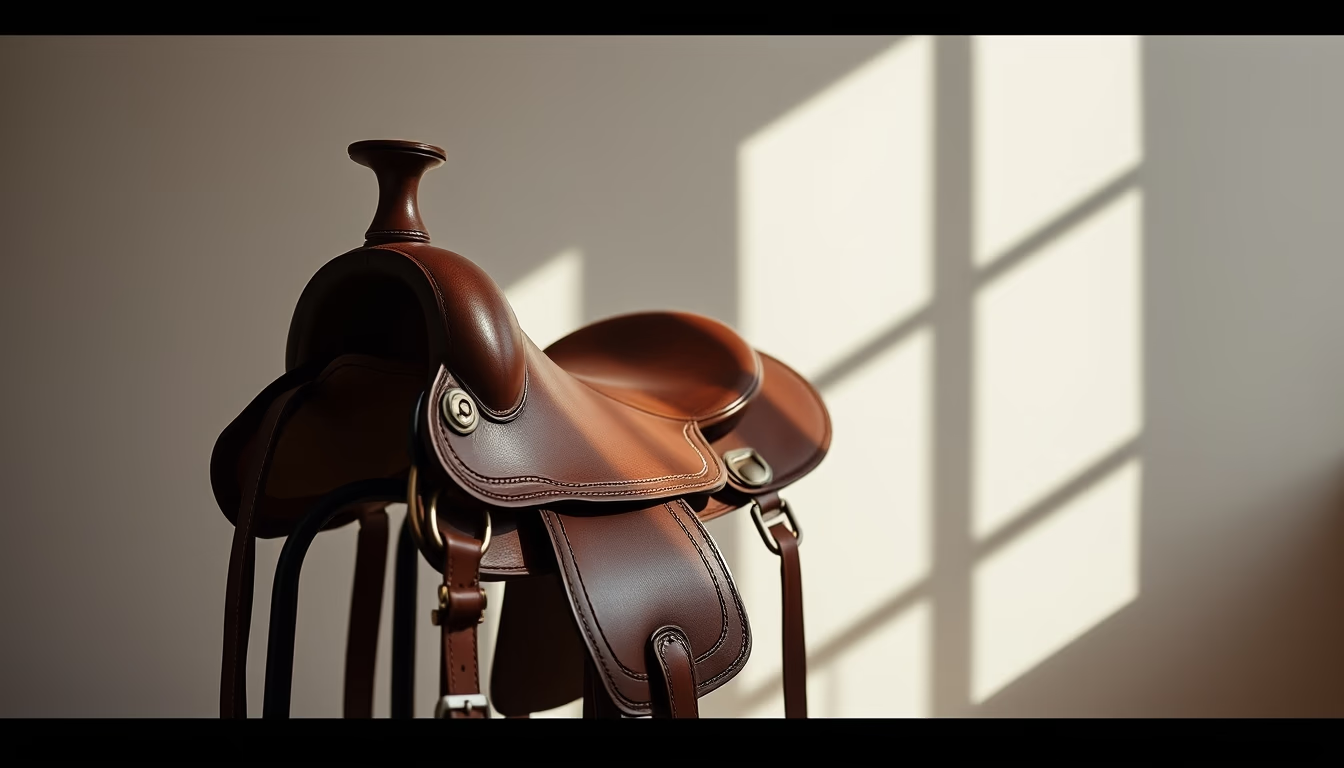
Western saddle leather is a robust, handcrafted material essential to the American equestrian tradition, known for its durability and intricate tooling.
About this subject
The leather used in western saddles is primarily vegetable-tanned cowhide, chosen for its durability and workability. This tanning process, which relies on natural tree bark tannins, allows the leather to be easily tooled with stamps and knives to create the floral and geometric motifs characteristic of cowboy artistry. Thickness typically ranges from 6 to 9 ounces (about 2.4 to 3.6 mm), ensuring the saddle can withstand the rider's weight and friction with the horse for decades.
Crafting a western saddle is a weeks-long process. Each piece is hand-cut, hand-stitched with waxed thread, and molded over a wooden or fiberglass tree. The leather is wetted, stretched, and dried to achieve the desired shape. Details such as the braided horn rim and side panels are often decorated with hot-stamped tooling. The historic design evolved from Spanish vaquero saddles, featuring a high horn for securing a lariat and a deep seat for stability during long rides.
Leather also became a status symbol: saddles adorned with silver conchos and intricate carving indicated the owner's skill and wealth. Today, artisans in Texas and New Mexico continue these traditions. Maintenance involves using saddle soap and conditioners like mink oil to prevent drying and cracking. Properly cared for, the leather can last generations, often passed down in ranching families.
The choice of leather is crucial: full-grain, top-grain, and split-grain options affect durability and price. Full-grain retains the natural texture and is most resistant to wear. Western saddle leather is not just material but a carrier of cultural heritage, reflecting the rugged individualism of the American West.
Frequently Asked Questions
What is the best type of leather for a western saddle?
Full-grain vegetable-tanned cowhide is best due to its durability and ability to be tooled. A thickness of 6 to 9 ounces provides a good balance of flexibility and strength.
How should I clean and maintain western saddle leather?
Use saddle soap and a damp cloth to remove dirt, then apply a conditioner such as mink oil to keep the leather supple and prevent cracking. Avoid prolonged sun and moisture exposure.
How long does it take to handcraft a western saddle?
A handmade saddle can take 2 to 6 weeks, depending on the intricacy of the tooling, silver work, and the artisan's skill. Mass-produced saddles are faster but less durable.
Direct URL
https://pub-c7d6a6ea828543ac903a74a341ccb2e1.r2.dev/imagens/western-saddle-leather-studio-editorial-portrait-fresh15.avifHow to credit
Include a visible link back to UtilizAí. Copy one of the snippets below:
<a href="https://xn--utiliza-eza.com/en/midia/imagens/western-saddle-leather-studio-editorial-portrait-fresh15">Western saddle leather</a> by <a href="https://xn--utiliza-eza.com">UtilizAí</a>, licensed under <a href="https://creativecommons.org/licenses/by/4.0/">CC BY 4.0</a>.
[Western saddle leather](https://xn--utiliza-eza.com/en/midia/imagens/western-saddle-leather-studio-editorial-portrait-fresh15) by [UtilizAí](https://xn--utiliza-eza.com), CC BY 4.0
License: CC-BY-4.0