Western saddle leather
1344×768 · AVIF · CC BY 4.0
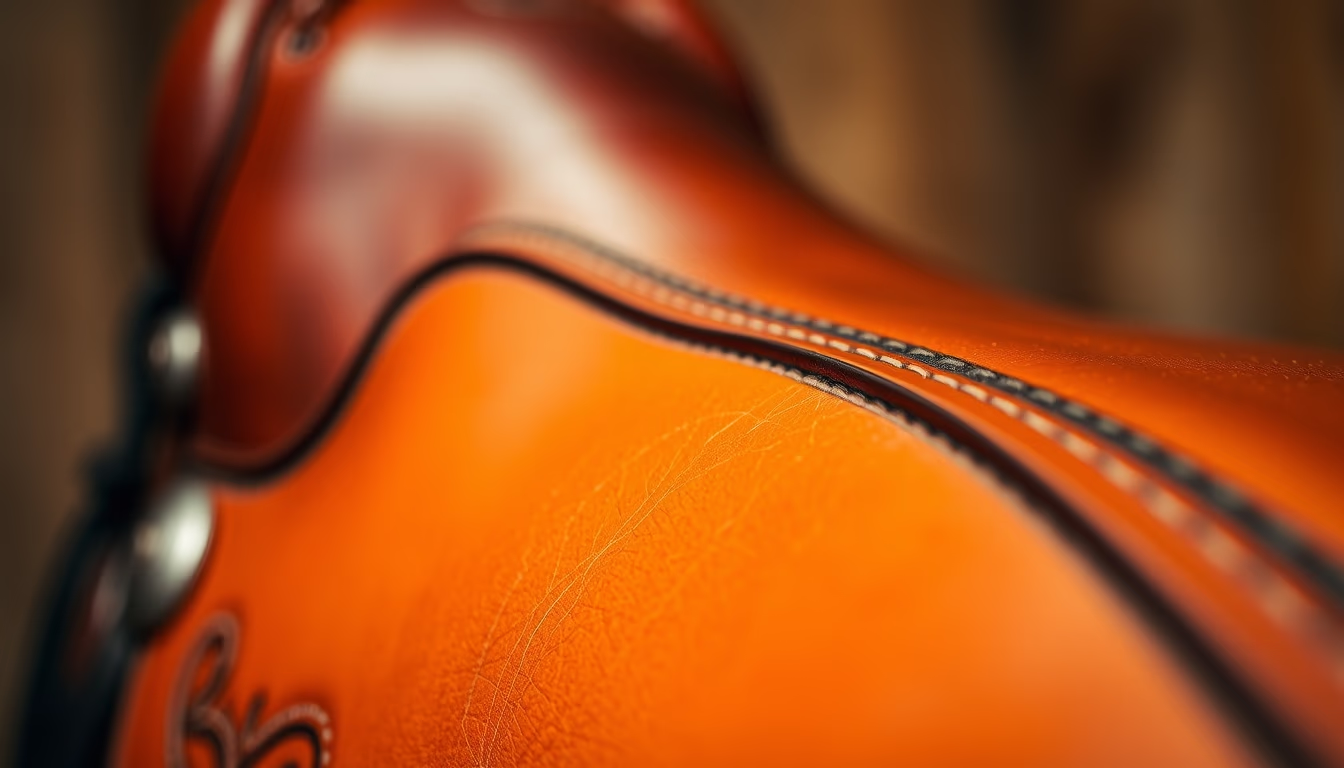
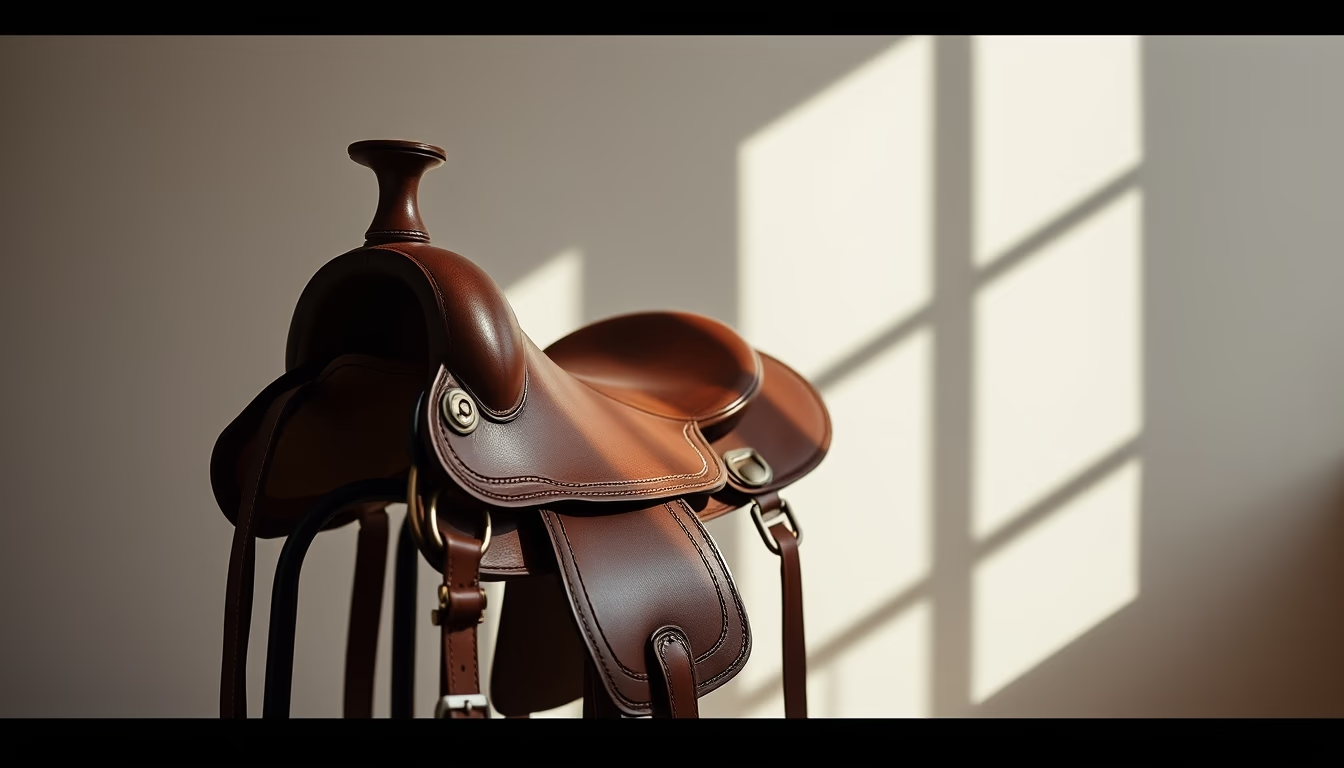
Macro close-up of Western saddle leather reveals texture, tanning, and craftsmanship typical of the American West.
About this subject
The leather used in Western saddles is traditionally vegetable-tanned cowhide, a material valued for its durability and molding ability. Vegetable tanning uses natural tannins extracted from tree barks such as oak and acacia, a process that can take months. This type of tanning gives the leather a characteristic light brown color and allows it to be shaped with water and heat to create custom-fit seats.
The texture of Western saddle leather is marked by its natural grain or, in more crafted pieces, by hand-carved reliefs. Artisans, known as saddlers, use tools like bevelers, veining, and stamping tools to create floral, geometric, or rodeo scene designs. Each piece goes through stages of dyeing, conditioning, and finishing to withstand daily use under sun, dust, and moisture.
Historically, Western saddles evolved from Spanish vaquero saddles brought to the Americas. Leather was the standard material because it was durable, available, and repairable in the field. Today, although synthetic materials exist, genuine leather is still preferred by riders seeking comfort, longevity, and authenticity. Well-maintained Western leather saddles can last decades, developing patina and gaining value over time.
Fun facts: Western saddle leather is usually thicker (6 to 8 ounces per square foot) than English saddle leather. Mink oil and glycerin soap are common for moisturizing and cleaning. At equestrian craft fairs, ornate saddles with detailed carving can command high prices, reflecting hours of manual work.
Frequently Asked Questions
What is the difference between vegetable-tanned and chrome-tanned leather?
Vegetable tanning uses natural tannins, resulting in firmer leather that can be carved and molded, ideal for Western saddles. Chrome tanning uses chromium salts, producing softer and more flexible leather, but less suitable for detailed tooling.
How should I care for Western saddle leather?
Clean regularly with glycerin soap and warm water, dry in the shade, and apply conditioner like mink oil or neatsfoot oil. Avoid prolonged sun exposure and store in a dry place.
What is the leather grain and why is it important?
The grain is the outer surface of the leather, bearing the natural texture of the hide. In Western saddles, an intact grain indicates quality leather and serves as the base for decorative tooling.
Direct URL
https://pub-c7d6a6ea828543ac903a74a341ccb2e1.r2.dev/imagens/western-saddle-leather-macro-closeup-fresh17.avifHow to credit
Include a visible link back to UtilizAí. Copy one of the snippets below:
<a href="https://xn--utiliza-eza.com/en/midia/imagens/western-saddle-leather-macro-closeup-fresh17">Western saddle leather</a> by <a href="https://xn--utiliza-eza.com">UtilizAí</a>, licensed under <a href="https://creativecommons.org/licenses/by/4.0/">CC BY 4.0</a>.
[Western saddle leather](https://xn--utiliza-eza.com/en/midia/imagens/western-saddle-leather-macro-closeup-fresh17) by [UtilizAí](https://xn--utiliza-eza.com), CC BY 4.0
License: CC-BY-4.0