Western saddle leather
1344×768 · AVIF · CC BY 4.0
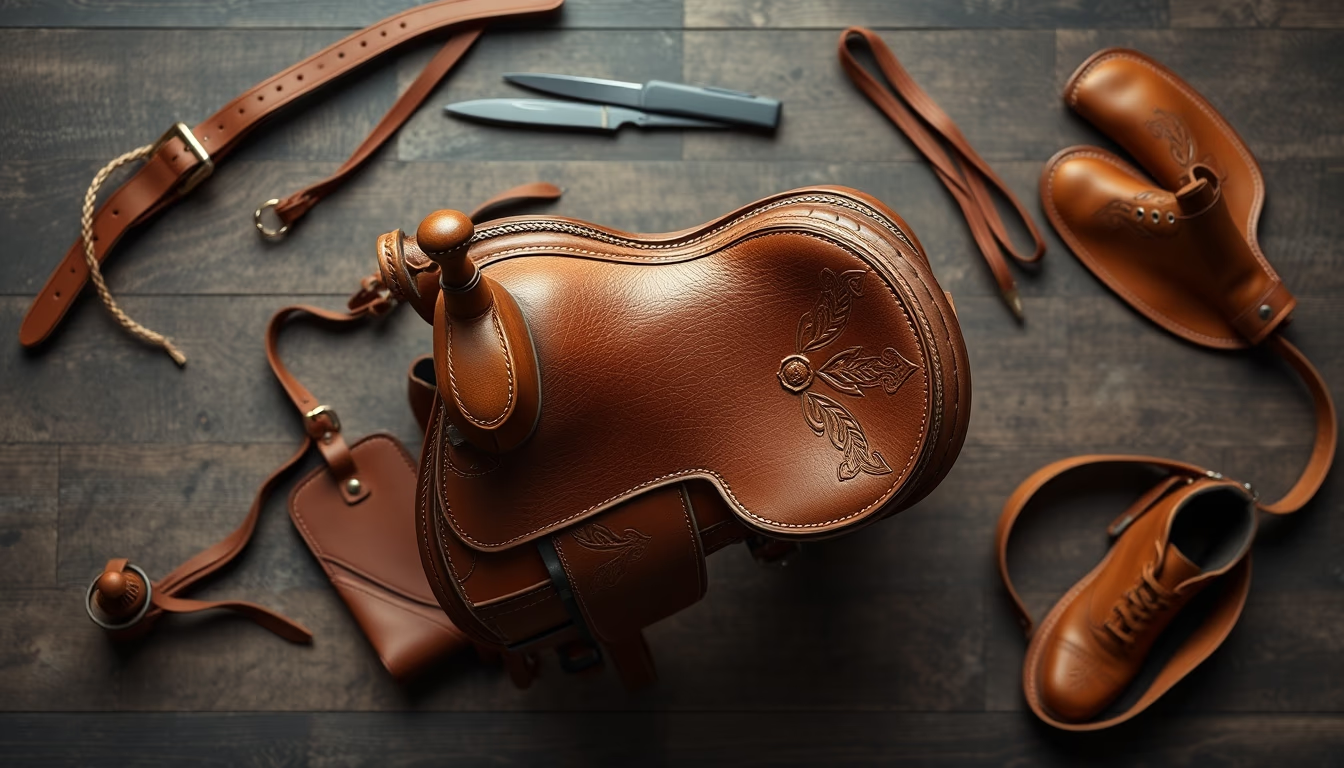
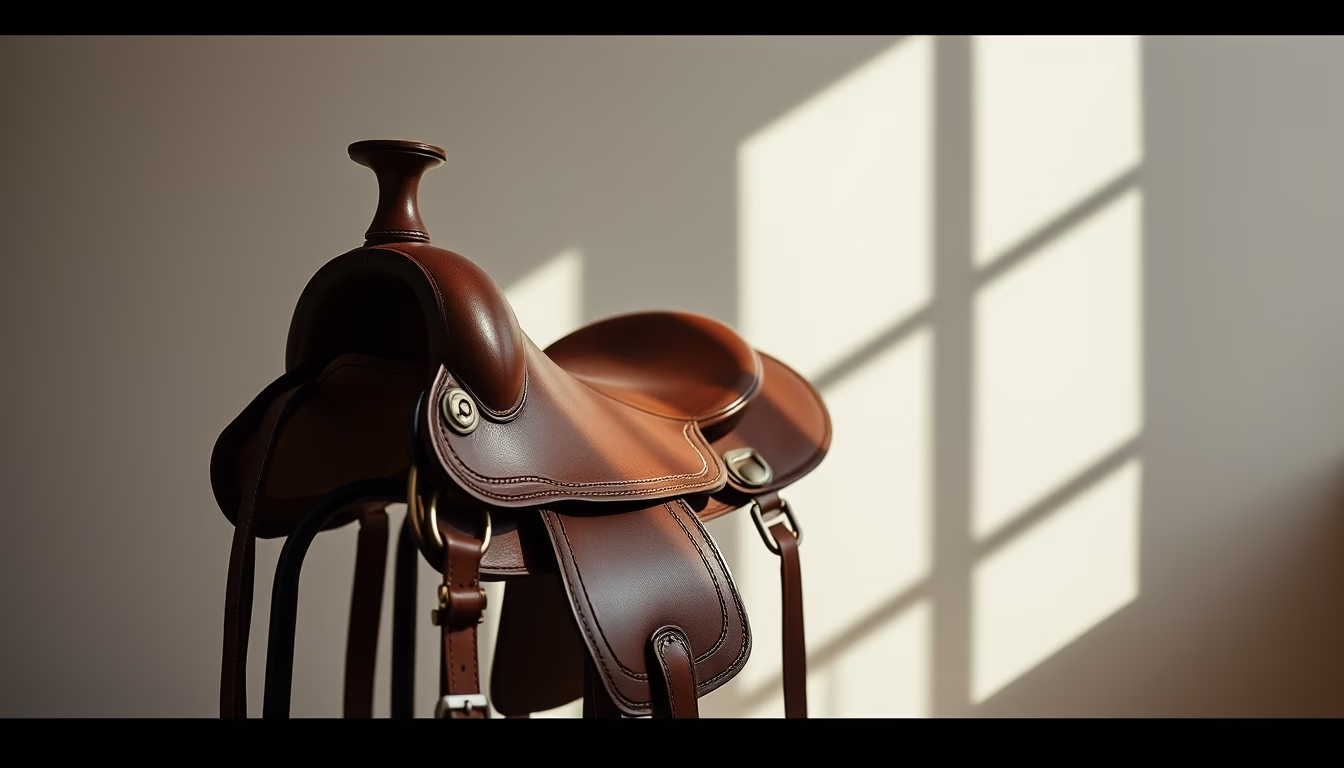
Western saddle leather is traditionally crafted using artisanal techniques, combining durability and comfort for the rider.
About this subject
The leather used in Western saddles is typically vegetable-tanned cowhide, prized for its strength and ability to be molded. This tanning process can take weeks, using natural tannins extracted from tree barks like oak and acacia. The result is a fibrous material that retains its shape with use, conforming to the horse's back and the rider's seat. Western saddles, developed from Spanish traditions and adapted by American cowboys in the 19th century, require large, high-quality leather panels for their construction. A typical saddle uses between 20 and 30 square feet of leather, distributed across the seat, fenders, stirrups, and sides.
Vegetable tanning gives the leather a natural color that darkens over time and use, creating a characteristic patina of well-maintained saddles. Unlike chrome-tanned leather, common in footwear and clothing, vegetable-tanned leather is more porous and breathable, preventing sweat accumulation for both horse and rider. It is also easier to personalize with tools, carving, and stamping, a common practice on ornate saddles used in rodeos and exhibitions.
Maintenance of Western saddle leather is crucial for its longevity. After each use, it should be cleaned with mild soap and water to remove sweat and dust, and a leather conditioner specific to vegetable-tanned leather should be applied at least once a month. Traditional products include neatsfoot oil, tallow, or lanolin, but effective synthetic alternatives are now available. The leather should not be exposed to direct sunlight for long periods, as UV rays damage the fibers. When stored, the saddle should be kept in a ventilated area on a rack that maintains its shape, preventing permanent deformations.
Historically, saddle leather was treated with oils and greases for waterproofing, as cowboys spent days on horseback under sun and rain. This tradition continues, and many saddles still receive finishes with beeswax and linseed oil. Using high-quality leather is not merely aesthetic but functional: a well-made saddle can last for decades, accompanying generations of riders.
Frequently Asked Questions
What is the best type of leather for a Western saddle?
Vegetable-tanned cowhide is considered the best for Western saddles, as it offers durability, the ability to mold to the horse's back, and allows for tooling and carving. It is the same type used in traditional handmade saddles.
How should I care for Western saddle leather to make it last for years?
Clean the saddle with mild soap and water after each use, dry in the shade, and apply a conditioner specific to vegetable-tanned leather monthly. Avoid prolonged sun exposure and store in a ventilated area on a rack that maintains its shape.
What is the difference between Western saddle leather and English saddle leather?
Western saddles use thicker, tougher leather, typically vegetable-tanned, while English saddles use lighter, thinner leather, often chrome-tanned. Western prioritizes durability and comfort for long rides; English prioritizes flexibility and lightness for jumping and dressage.
Direct URL
https://pub-c7d6a6ea828543ac903a74a341ccb2e1.r2.dev/imagens/western-saddle-leather-isometric-flat-lay-fresh9.avifHow to credit
Include a visible link back to UtilizAí. Copy one of the snippets below:
<a href="https://xn--utiliza-eza.com/en/midia/imagens/western-saddle-leather-isometric-flat-lay-fresh9">Western saddle leather</a> by <a href="https://xn--utiliza-eza.com">UtilizAí</a>, licensed under <a href="https://creativecommons.org/licenses/by/4.0/">CC BY 4.0</a>.
[Western saddle leather](https://xn--utiliza-eza.com/en/midia/imagens/western-saddle-leather-isometric-flat-lay-fresh9) by [UtilizAí](https://xn--utiliza-eza.com), CC BY 4.0
License: CC-BY-4.0