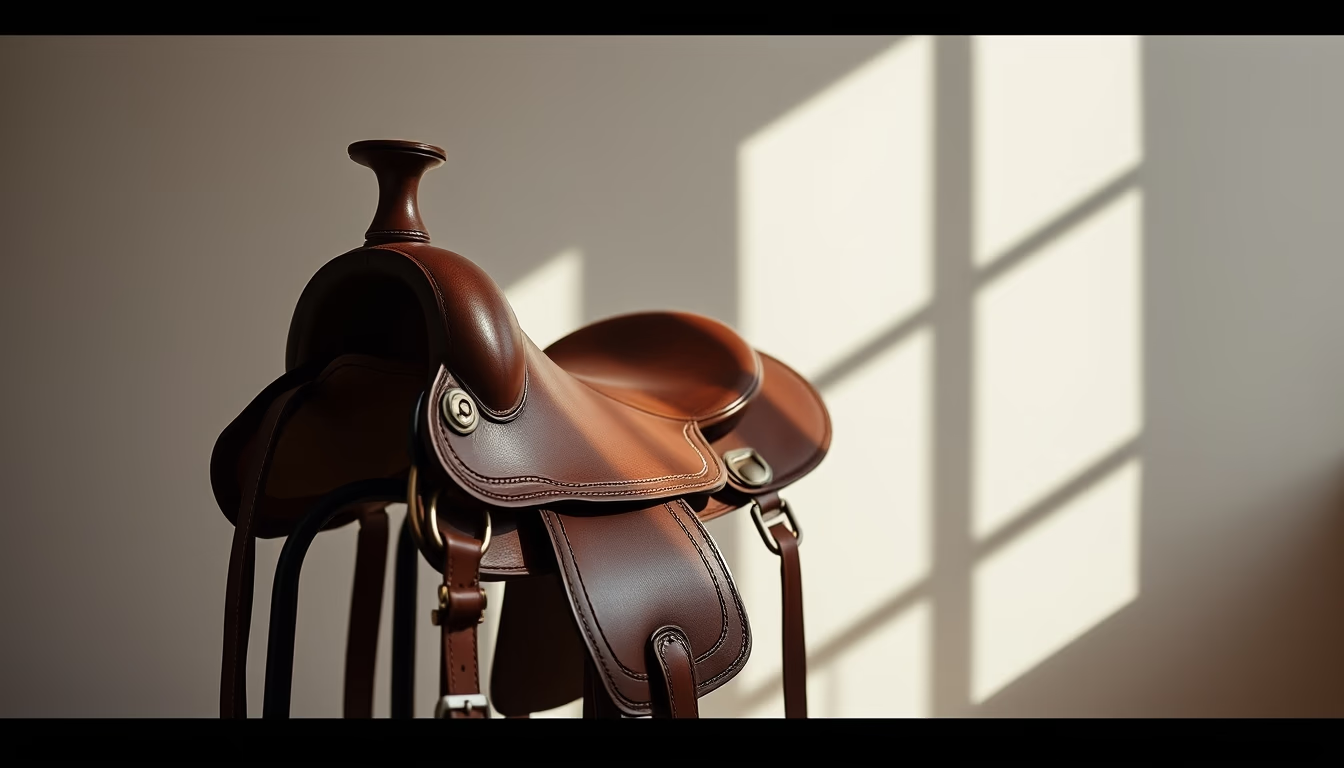
Western saddle leather
1344×768 · AVIF · CC BY 4.0
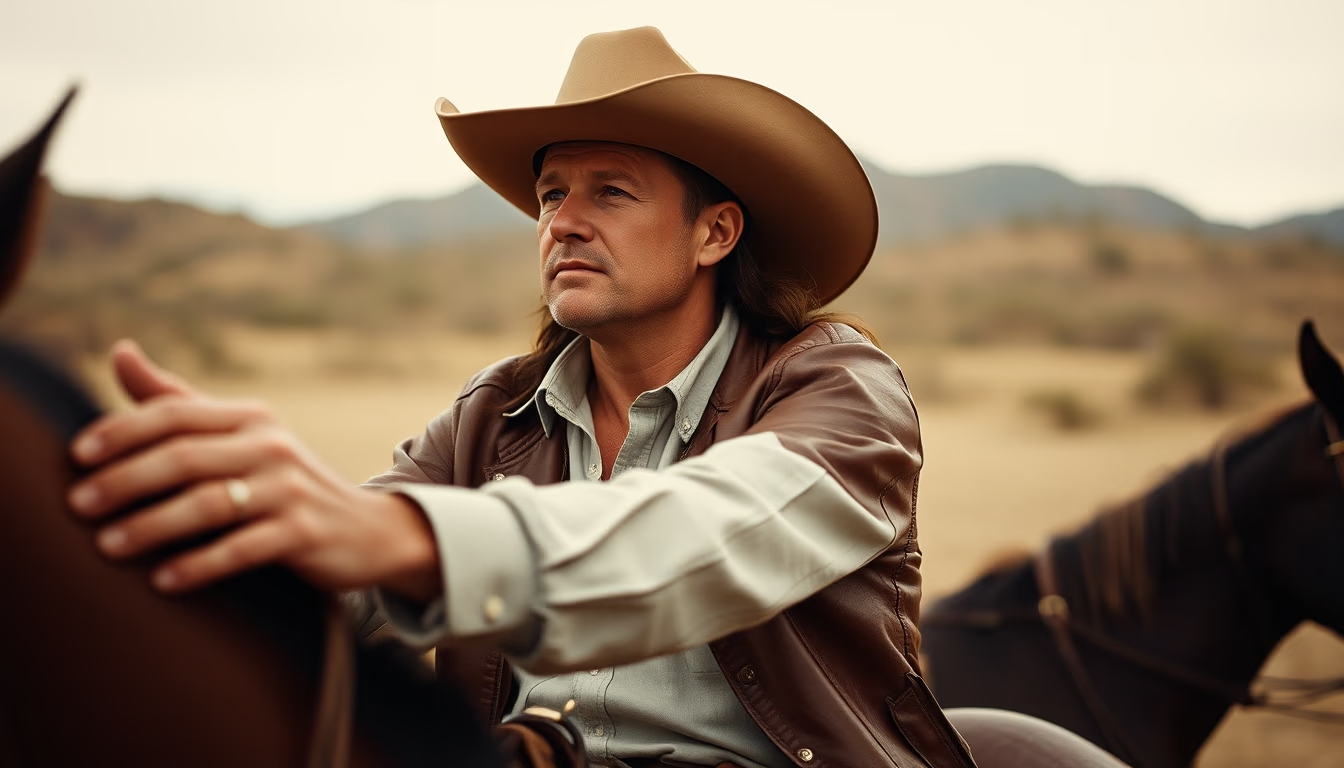
Western saddle leather is chosen for its durability and strength, undergoing vegetable tanning to withstand heavy ranch work.
About this subject
Western saddle leather is traditionally made from vegetable-tanned bovine hide, a process that uses natural tannins from tree bark. This method gives the leather initial stiffness that, with use and conditioning, molds to the rider's body. Unlike chrome tanning, which produces softer leather, vegetable tanning ensures greater resistance to moisture and wear, essential for saddles that spend hours under the sun on the ranch.
Crafting a western saddle involves precise cuts and hand stitching with waxed thread. The leather is stretched over a tree (internal frame) made of wood or fiberglass. Regions like Texas and Mexico are known for their saddle-making traditions, with artisans mastering techniques passed down through generations. The texture and color of the leather vary depending on the animal's origin and tanning process, with tighter grains indicating higher quality.
Historically, the western saddle evolved from Spanish vaquero saddles in the 16th century. The sturdy design and deep seat allowed cowboys to work long hours herding cattle. Today, besides functional use, there is a growing market for handcrafted saddles made from genuine leather, treated with natural oils to maintain flexibility without losing strength. Aged leather develops a characteristic patina prized by riding enthusiasts.
Proper maintenance of saddle leather includes cleaning with mild soap and periodic conditioning with specific conditioners. Avoiding prolonged sun and rain exposure extends the material's lifespan. High-quality leather pieces, such as those used in western saddles, can last decades if well cared for, often becoming family heirlooms.
Frequently Asked Questions
What is the best conditioner for western saddle leather?
Conditioners based on natural oils such as mink oil or beeswax are recommended. Specific equestrian leather products like Lexol or neatsfoot oil help maintain flexibility without drying.
Does vegetable-tanned leather last longer than chrome-tanned?
Yes, vegetable-tanned leather is more resistant to moisture and heat, and withstands mechanical wear better. It also develops a patina over time, which chrome-tanned leather does not.
How can I tell if a saddle is made of genuine leather?
Genuine leather has irregular natural pores and a characteristic smell. A simple test is to press the surface: if fine wrinkles appear, it is real leather; if not, it may be synthetic.
Direct URL
https://pub-c7d6a6ea828543ac903a74a341ccb2e1.r2.dev/imagens/western-saddle-leather-film-grain-authentic-fresh5.avifHow to credit
Include a visible link back to UtilizAí. Copy one of the snippets below:
<a href="https://xn--utiliza-eza.com/en/midia/imagens/western-saddle-leather-film-grain-authentic-fresh5">Western saddle leather</a> by <a href="https://xn--utiliza-eza.com">UtilizAí</a>, licensed under <a href="https://creativecommons.org/licenses/by/4.0/">CC BY 4.0</a>.
[Western saddle leather](https://xn--utiliza-eza.com/en/midia/imagens/western-saddle-leather-film-grain-authentic-fresh5) by [UtilizAí](https://xn--utiliza-eza.com), CC BY 4.0
License: CC-BY-4.0