Weighted blanket gray
1344×768 · AVIF · CC BY 4.0
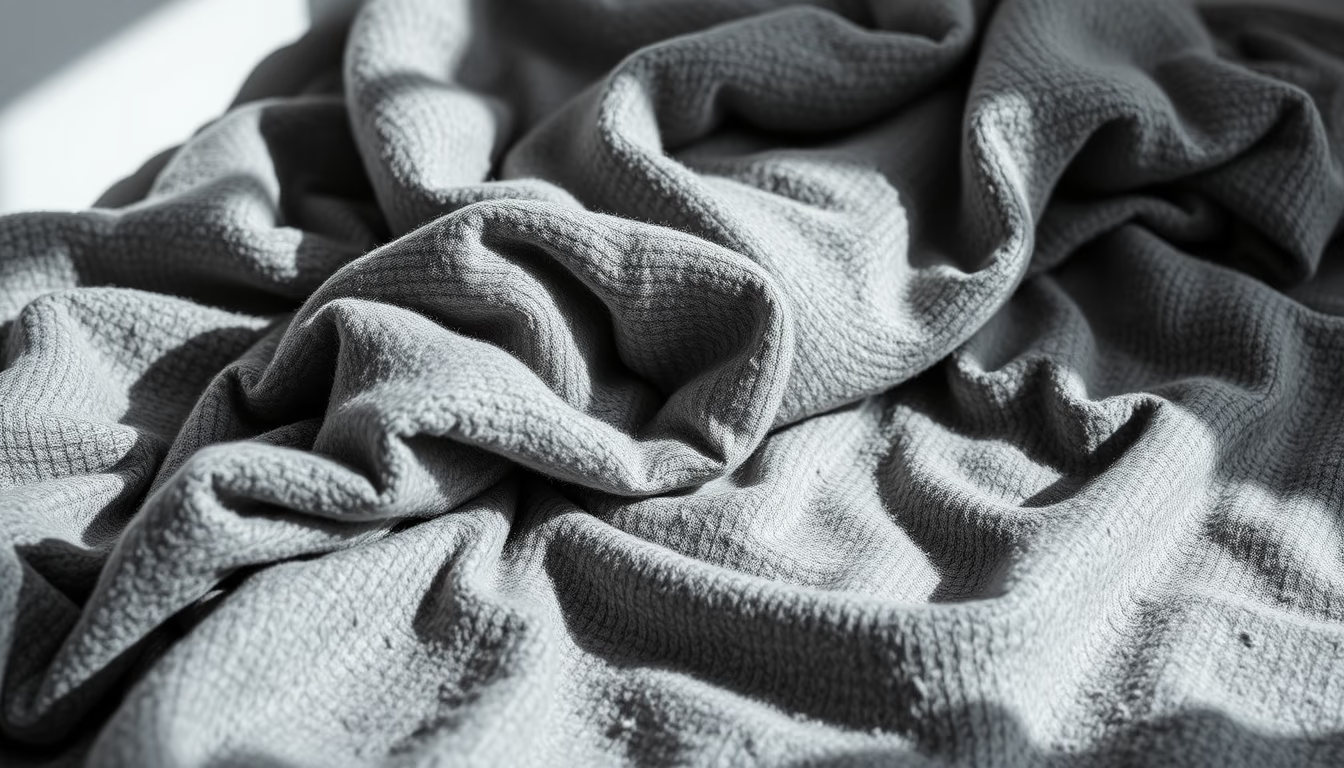
Gray weighted blanket: learn how it works, benefits for sleep, and criteria for choosing the ideal weight.
About this subject
Weighted blankets, also known as gravity blankets, are blankets that contain extra weight evenly distributed throughout. They are filled with materials such as glass beads, sand, or polypropylene pellets, sewn into compartments to prevent shifting. The principle behind them is deep touch pressure stimulation, a technique that applies gentle, uniform pressure on the body, similar to a firm hug. This pressure is believed to stimulate the release of serotonin and melatonin while reducing cortisol levels, the stress hormone. Consequently, many users report feelings of calm and relaxation, easier sleep onset, and improved sleep quality.
In therapeutic contexts, weighted blankets are often used to assist individuals with autism spectrum disorder, anxiety disorders, restless legs syndrome, and insomnia. Although not a medical treatment, they can complement wellness strategies. Choosing the right weight is crucial: it is recommended to be between 10% and 30% of the user's body weight, with 10% to 12% being common. For example, for a person weighing 70 kg, a blanket of 7 to 9 kg is appropriate. Excessively heavy models may cause discomfort or restrict movement.
The construction of these blankets varies. Outer covers are typically made of cotton, polyester, or soft fabrics like mink. Fillings may be glass beads (hypoallergenic and quiet) or plastic pellets. Maintenance depends on the model: many have removable, machine-washable covers, while the inner blanket requires dry cleaning or gentle washing. The origin of weighted blankets lies in occupational therapy from the 1980s and 1990s, but commercial popularity surged in the 2010s, with diverse brands and price ranges.
Beyond nighttime use, they can be used during rest, meditation, or while watching TV. The gray color is neutral and fits various decor styles. Note that they are not recommended for young children (under 2 years) or individuals with respiratory issues without medical guidance. Clinical studies show moderate benefits, but user experience varies.
Frequently Asked Questions
What is the ideal weight for a weighted blanket?
The ideal weight is typically between 10% and 30% of the user's body weight, with 10% to 12% being comfortable for most adults. For children, consult a specialist and do not exceed 10% of body weight.
Can I wash a weighted blanket in the washing machine?
It depends on the model. Many have a removable cover that can be machine washed, while the inner blanket with filling usually requires dry cleaning or gentle hand washing. Always check the manufacturer's instructions.
Do weighted blankets work for anxiety and insomnia?
Yes, deep pressure stimulation can help reduce anxiety and improve sleep, but it is not a medical treatment. It serves as a complementary therapy to promote relaxation and lower stress.
Direct URL
https://pub-c7d6a6ea828543ac903a74a341ccb2e1.r2.dev/imagens/weighted-blanket-gray-magazine-editorial-fresh15.avifHow to credit
Include a visible link back to UtilizAí. Copy one of the snippets below:
<a href="https://xn--utiliza-eza.com/en/midia/imagens/weighted-blanket-gray-magazine-editorial-fresh15">Weighted blanket gray</a> by <a href="https://xn--utiliza-eza.com">UtilizAí</a>, licensed under <a href="https://creativecommons.org/licenses/by/4.0/">CC BY 4.0</a>.
[Weighted blanket gray](https://xn--utiliza-eza.com/en/midia/imagens/weighted-blanket-gray-magazine-editorial-fresh15) by [UtilizAí](https://xn--utiliza-eza.com), CC BY 4.0
License: CC-BY-4.0