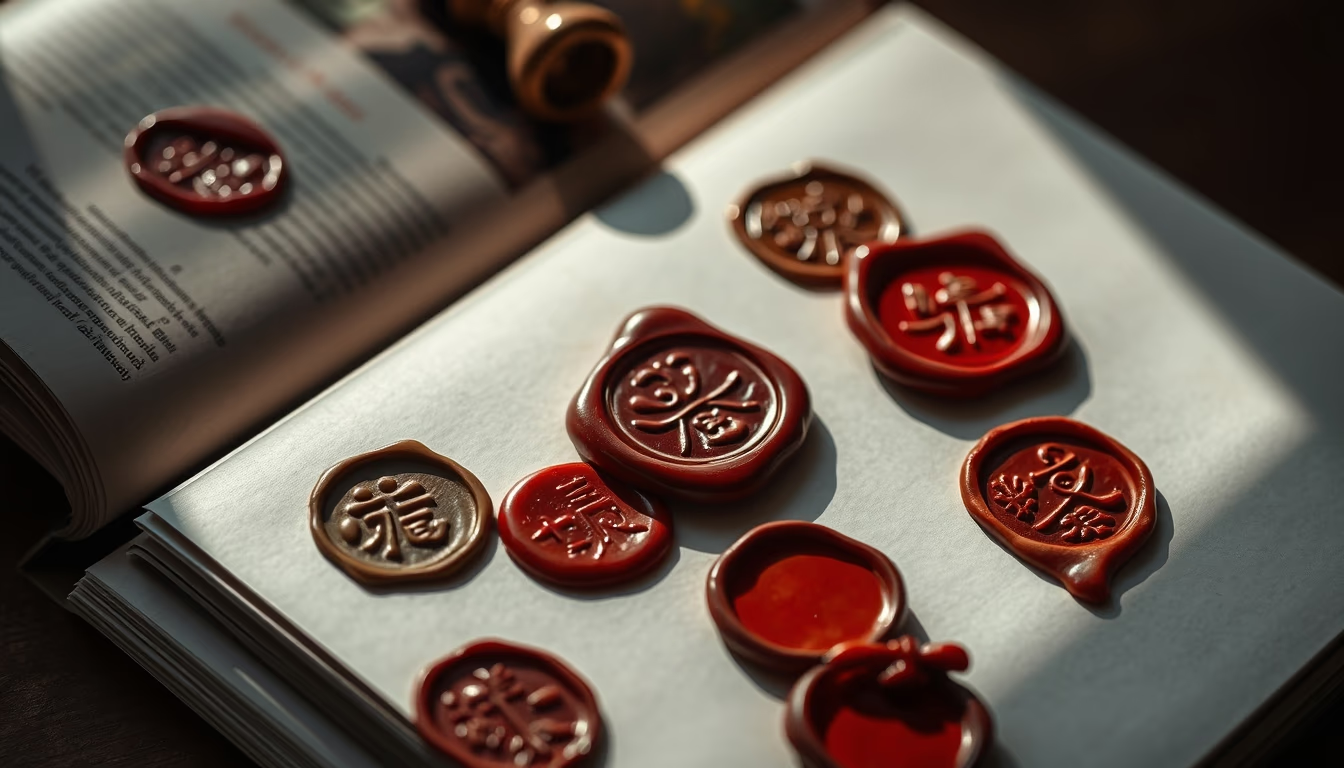
Wax seal collection
1344×768 · AVIF · CC BY 4.0
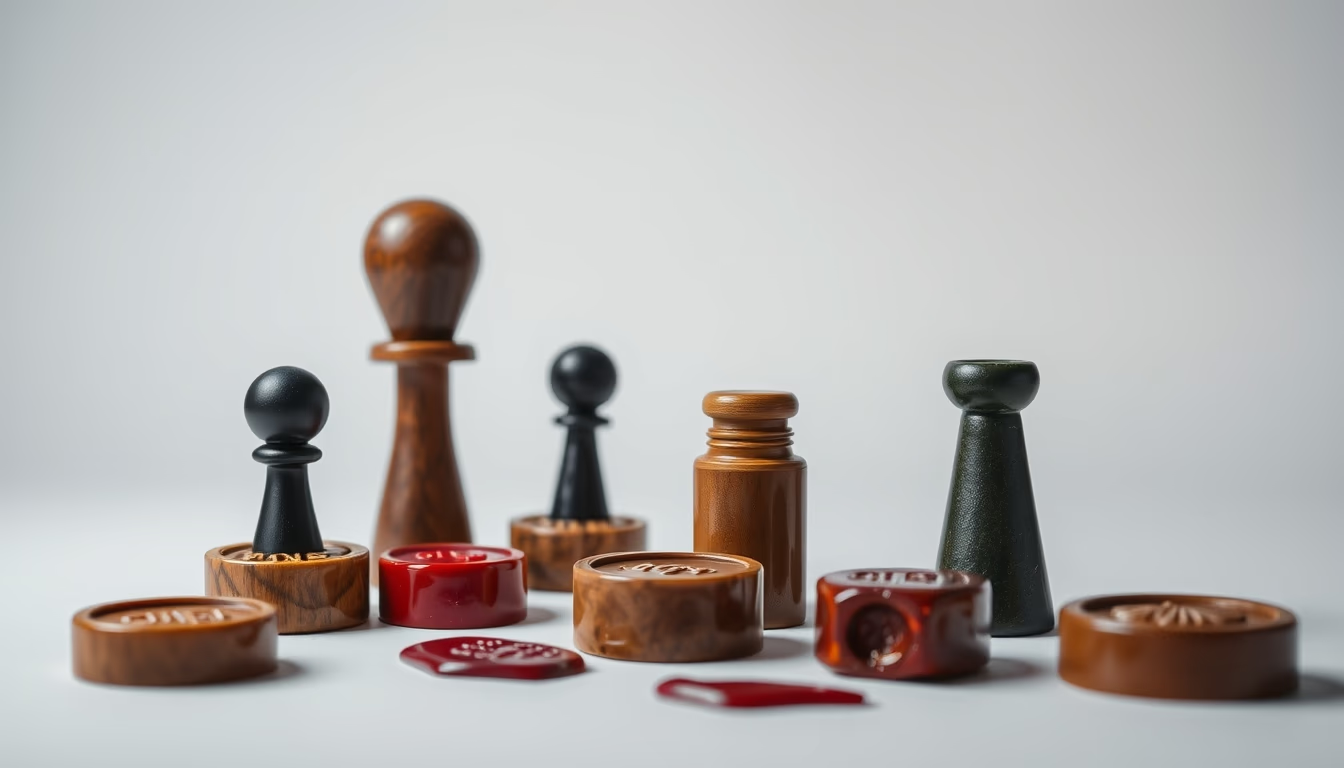
A collection of wax seals reveals the centuries-old tradition of sealing correspondence, with designs ranging from monograms to floral motifs.
About this subject
The use of wax seals dates back to the Middle Ages, when kings and nobles used personalized stamps to authenticate documents and ensure the inviolability of correspondence. Each seal was unique, engraved with coats of arms, initials, or symbols that identified the sender. The practice spread across Europe and then worldwide, becoming a marker of status and formality.
In Brazil, wax sealing was introduced by Portuguese colonizers and used in official documents and private letters until the 19th century. With the advent of adhesive envelopes and postage stamps, wax lost its practical function but retained aesthetic and symbolic appeal. Today, collectors and fine stationery enthusiasts preserve the technique, often using wax in different colors and fragrances.
A typical collection may include metal, brass, or wooden stamps with handles for easy application. Common motifs are monograms, animals, flowers, and Masonic or heraldic symbols. Some collectors seek antique pieces from the 18th and 19th centuries, while others prefer modern minimalist designs. Curating a collection requires knowledge of each piece's provenance and historical context.
Trivia: in the Victorian era, red wax was most used for formal documents, while black was reserved for mourning. Gold or silver wax indicated wealth. Today, wax seals are often associated with wedding invitations and love letters, reviving a touch of vintage elegance.
Frequently Asked Questions
How to identify an antique wax seal?
Antique seals usually show signs of wear, patina on the metal, and deeper engravings. Monograms in cursive or Gothic letters are common. Provenance can be verified through historical documents or collector catalogs.
What is the difference between traditional wax and modern sealing wax?
Traditional wax is made from resin, beeswax, and pigments, while modern versions use synthetic polymers that do not stick to the stamp. Traditional wax is more brittle, whereas modern wax is flexible and durable.
How to preserve a wax seal collection?
Store seals in a dry place away from direct sunlight. Avoid humidity to prevent oxidation. Clean with a soft dry cloth, no chemicals. For wooden handles, apply neutral wax occasionally.
Direct URL
https://pub-c7d6a6ea828543ac903a74a341ccb2e1.r2.dev/imagens/wax-seal-collection-studio-still-life-fresh5.avifHow to credit
Include a visible link back to UtilizAí. Copy one of the snippets below:
<a href="https://xn--utiliza-eza.com/en/midia/imagens/wax-seal-collection-studio-still-life-fresh5">Wax seal collection</a> by <a href="https://xn--utiliza-eza.com">UtilizAí</a>, licensed under <a href="https://creativecommons.org/licenses/by/4.0/">CC BY 4.0</a>.
[Wax seal collection](https://xn--utiliza-eza.com/en/midia/imagens/wax-seal-collection-studio-still-life-fresh5) by [UtilizAí](https://xn--utiliza-eza.com), CC BY 4.0
License: CC-BY-4.0