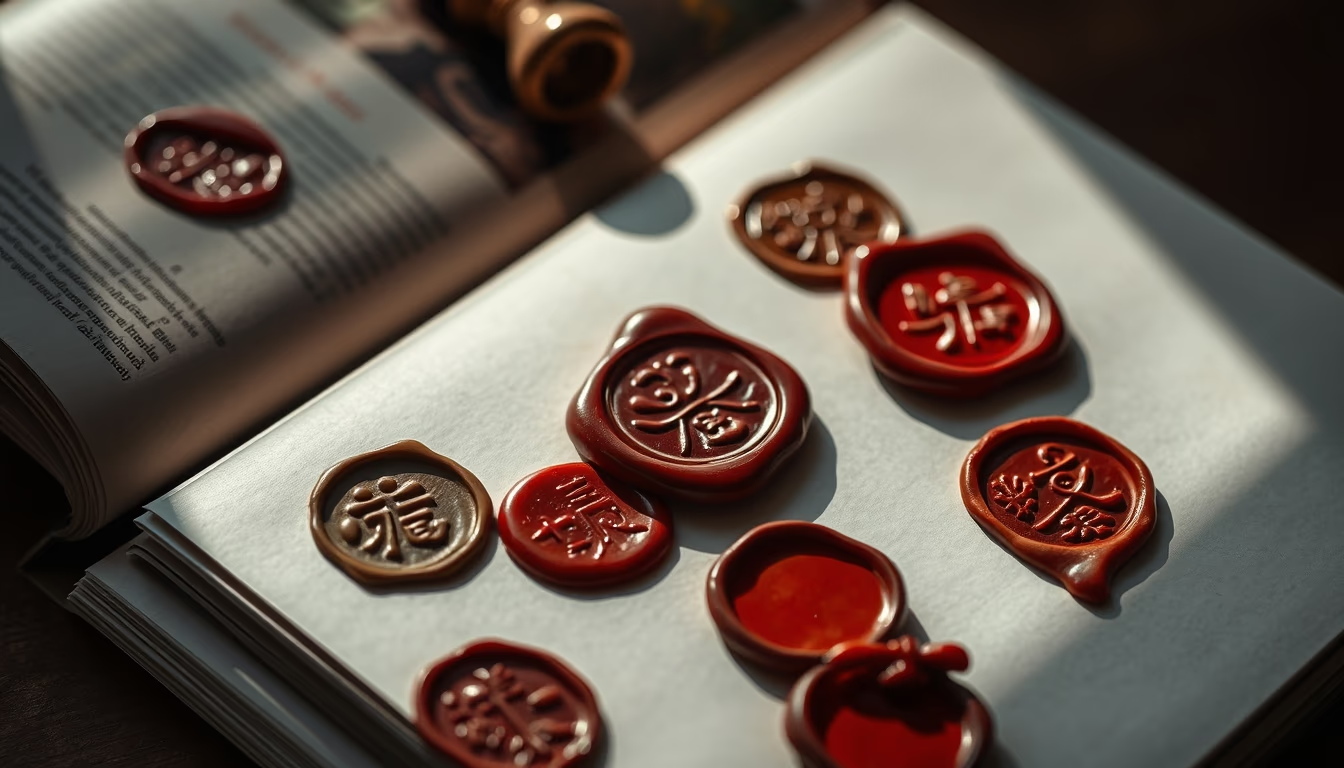
Wax seal collection
1344×768 · AVIF · CC BY 4.0
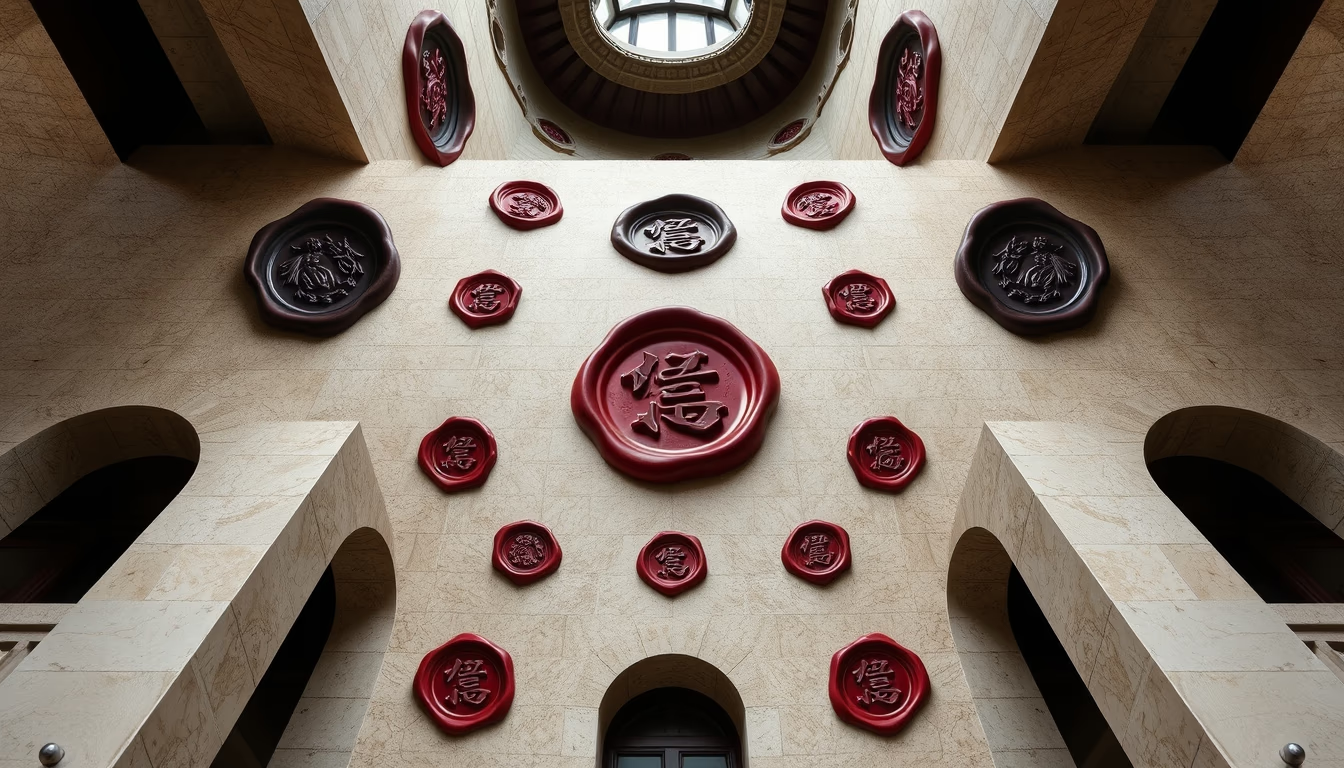
Wax seal collections carry centuries of history, blending art, heraldry, and epistolary tradition into unique pieces.
About this subject
Wax seals originated in the Middle Ages as a means to authenticate documents and ensure the inviolability of correspondence. Made from melted wax often tinted with natural pigments, they were pressed with rings or engraved matrices bearing coats of arms, initials, or personal symbols. This practice was common among nobles, religious institutions, and trade guilds, functioning as a visual signature before widespread literacy.
In colonial Brazil, the use of wax seals was introduced by the Portuguese and adopted by the imperial administration and the elite. Official documents and love letters often bore personalized seals. Over time, the technique evolved: beeswax was replaced by sealing wax mixtures that were more durable. Modern collectors seek antique seals not only for their aesthetic value but also for the historical context they carry, such as coats of arms of extinct families or marks of religious orders.
Today, collecting wax seals includes both original pieces and handmade reproductions. Antique fairs and online auctions are common sources. Each seal tells a story: surface wear reveals frequent use, while the sharpness of the relief indicates careful craftsmanship. Some collectors specialize in wax seals from postage stamps (used on letters), others in ring matrices or desk sinets.
Trivia: in the Victorian era, wax color carried symbolic meaning. Red indicated formality, black for mourning, and white for weddings. This chromatic coding enriches collections for scholars of epistolary communication.
Frequently Asked Questions
How can I identify an authentic antique wax seal?
Look for natural wear patterns, craquelure, and uniform color. Original seals often have tiny air bubbles and subtle tonal variations. Provenance from specialized auctions also helps.
What is the difference between sealing wax and beeswax?
Sealing wax is a mixture of shellac, resin, and pigments, harder and more brittle than beeswax. Historical seals used both, but sealing wax became standard for its durability and gloss.
Can wax seals be used today?
Yes, especially for wedding invitations, formal letters, or lettering projects. Modern kits with thermoplastic wax and custom matrices allow recreating the tradition without damaging documents.
Direct URL
https://pub-c7d6a6ea828543ac903a74a341ccb2e1.r2.dev/imagens/wax-seal-collection-architectural-photography-fresh2.avifHow to credit
Include a visible link back to UtilizAí. Copy one of the snippets below:
<a href="https://xn--utiliza-eza.com/en/midia/imagens/wax-seal-collection-architectural-photography-fresh2">Wax seal collection</a> by <a href="https://xn--utiliza-eza.com">UtilizAí</a>, licensed under <a href="https://creativecommons.org/licenses/by/4.0/">CC BY 4.0</a>.
[Wax seal collection](https://xn--utiliza-eza.com/en/midia/imagens/wax-seal-collection-architectural-photography-fresh2) by [UtilizAí](https://xn--utiliza-eza.com), CC BY 4.0
License: CC-BY-4.0