Wax seal collection
1344×768 · AVIF · CC BY 4.0
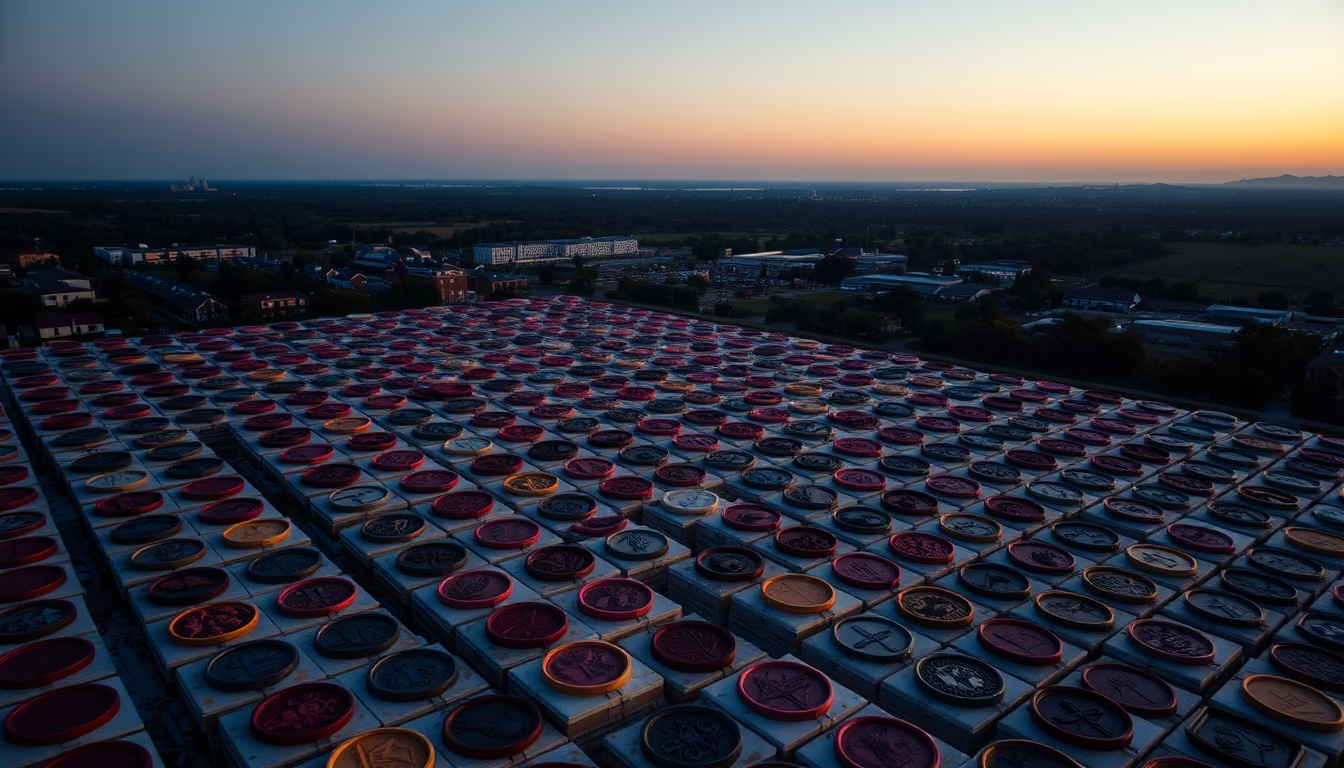
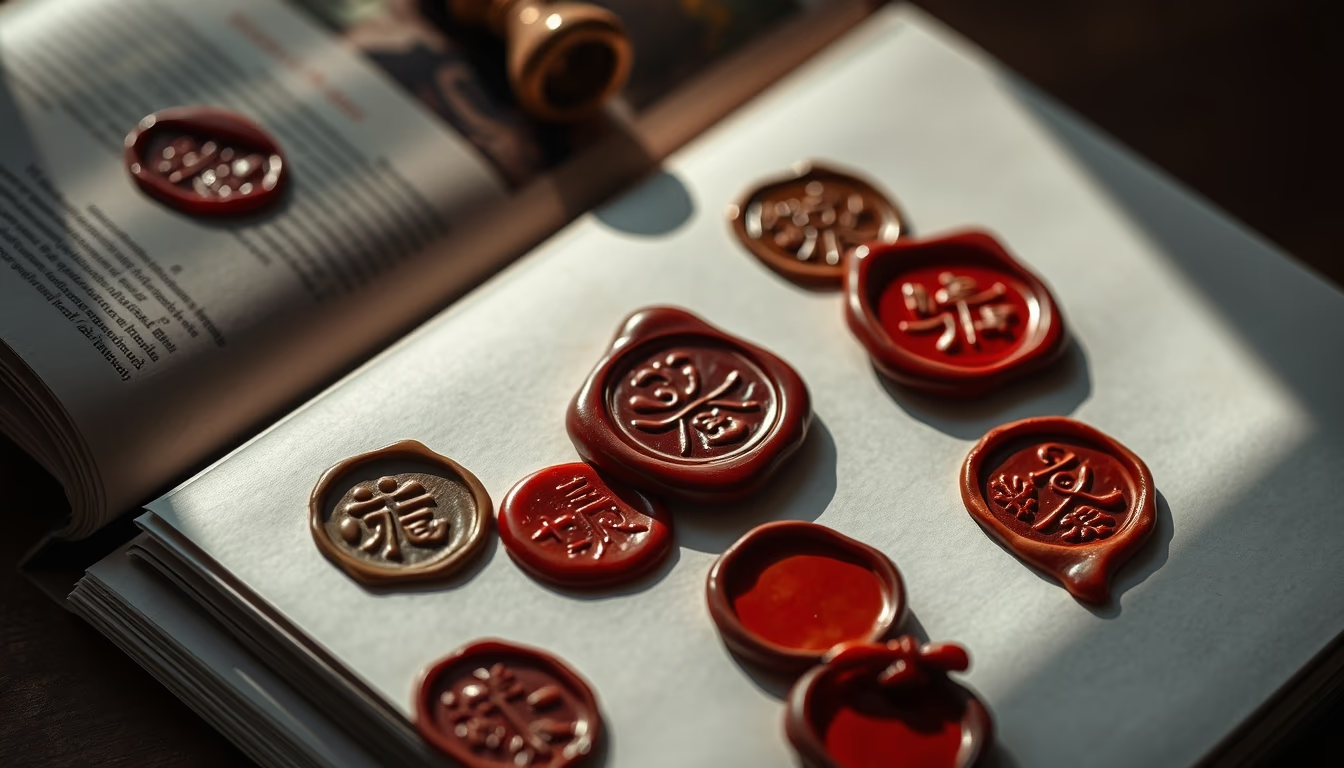
A collection of wax seals arranged in a pattern reveals the diversity of crests, initials, and symbols historically used to seal correspondence.
About this subject
Wax seals were used for centuries to authenticate and seal documents, ensuring privacy and verifying the sender's identity. Originating in antiquity, such as in pharaonic Egypt and Imperial Rome, they became ubiquitous in medieval Europe, where kings, nobles, and ecclesiastical institutions used them on letters and decrees. The practice peaked between the 12th and 18th centuries, when melted wax was applied to the closure of parchment and pressed with a seal matrix carved in metal or gemstone, often incorporating family crests or personal symbols.
Making a wax seal involves melting wax (traditionally beeswax mixed with resins and pigments) and pouring it onto the surface. The color of the wax carried meaning: red was most common and associated with nobility, black indicated mourning, and gold was used for imperial documents. The seal matrix was engraved in reverse so that the impression appeared correctly. Each seal was unique, functioning as a visual signature that guaranteed authenticity.
Today, collecting wax seals appeals to history and art enthusiasts. Antique pieces can be found at antique fairs, auctions, and museum collections. Condition, rarity of the crest, and clarity of the impression determine value. Beyond historical interest, wax seals have found new life in wedding invitations, love letters, and scrapbooking projects, reviving an artisanal and nostalgic touch. Proper storage in dry, dark places prevents the wax from cracking or melting, preserving these small treasures for generations.
Frequently Asked Questions
What is the historical origin of wax seals?
Wax seals originated in antiquity, used by Egyptians, Romans, and Chinese to authenticate documents. In medieval Europe, they became essential for kings, nobles, and churches to seal letters and decrees.
How are wax seals made?
Wax (usually beeswax with pigments) is melted and poured onto paper or parchment. Then a seal matrix engraved with a design or crest is pressed into the wax, leaving a raised impression after cooling.
Where can I find antique wax seals to collect?
Antique seals are sold at antique fairs, specialized auctions, collectible shops, and online platforms like eBay and Etsy. Museums also exhibit historical pieces but rarely sell them.
Direct URL
https://pub-c7d6a6ea828543ac903a74a341ccb2e1.r2.dev/imagens/wax-seal-collection-aerial-drone-shot-fresh14.avifHow to credit
Include a visible link back to UtilizAí. Copy one of the snippets below:
<a href="https://xn--utiliza-eza.com/en/midia/imagens/wax-seal-collection-aerial-drone-shot-fresh14">Wax seal collection</a> by <a href="https://xn--utiliza-eza.com">UtilizAí</a>, licensed under <a href="https://creativecommons.org/licenses/by/4.0/">CC BY 4.0</a>.
[Wax seal collection](https://xn--utiliza-eza.com/en/midia/imagens/wax-seal-collection-aerial-drone-shot-fresh14) by [UtilizAí](https://xn--utiliza-eza.com), CC BY 4.0
License: CC-BY-4.0