Water filter outdoor
1344×768 · AVIF · CC BY 4.0
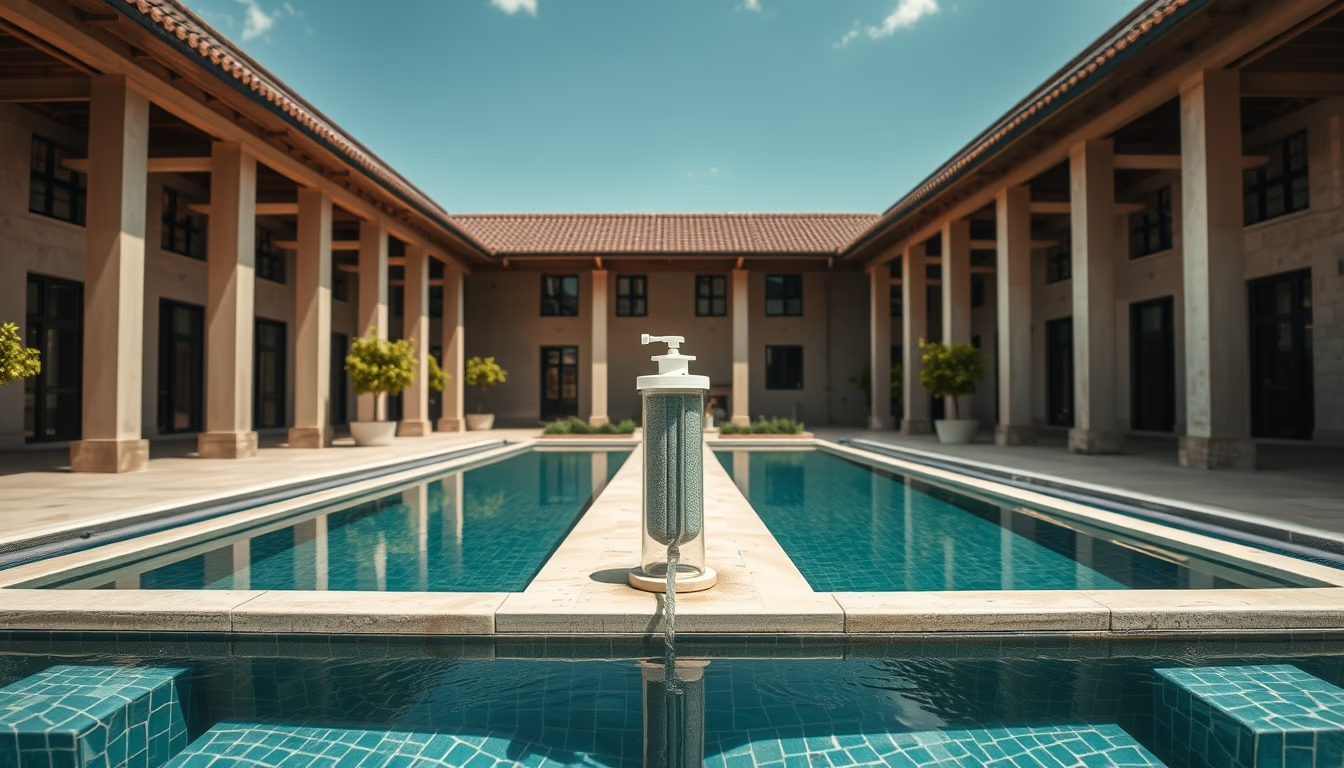
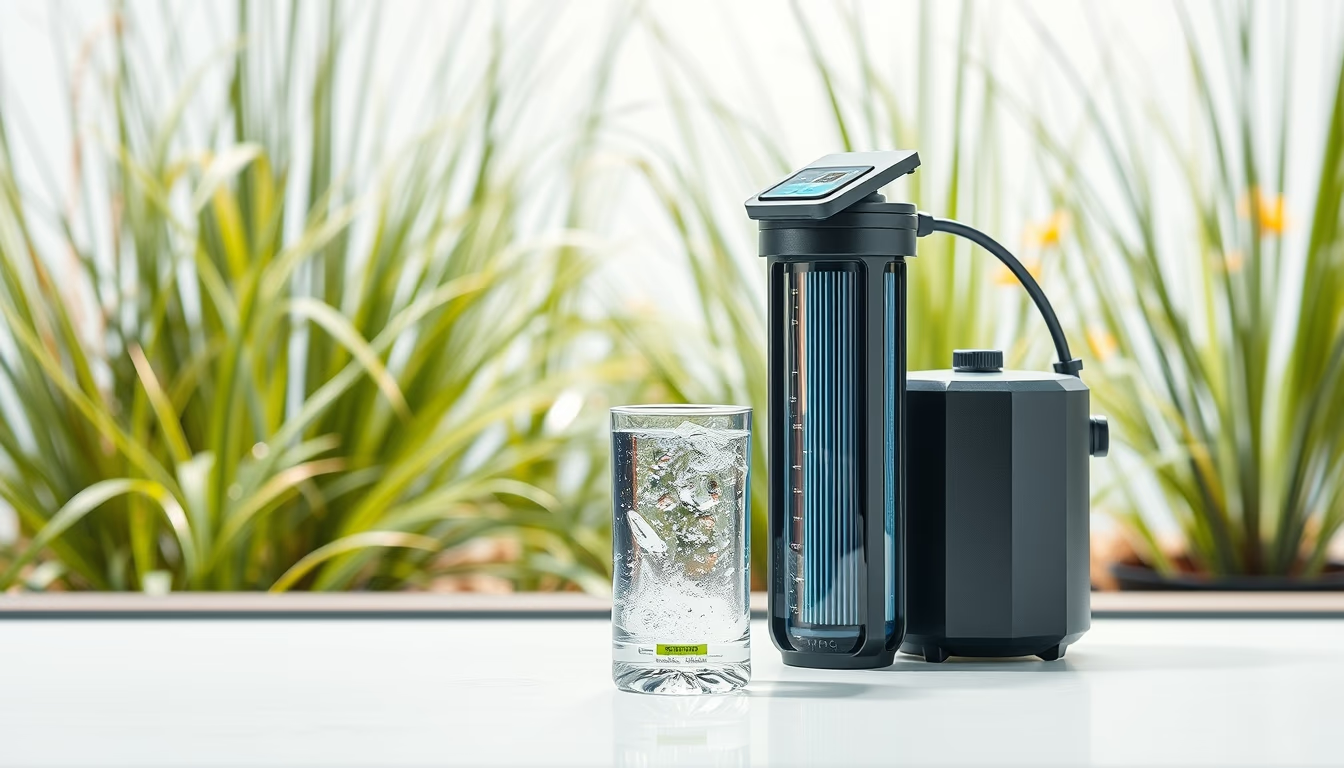
Portable water filters are indispensable devices for obtaining safe drinking water in outdoor settings, removing impurities and microorganisms.
About this subject
Outdoor water filters, also known as portable filters, are essential for camping, trekking, and survival. They allow you to convert water from rivers, lakes, or springs into safe drinking water by removing bacteria (e.g., Escherichia coli), protozoa (e.g., Giardia and Cryptosporidium), and sediments. Types include pump filters, which force water through a cartridge; gravity filters, ideal for groups as they work without effort; filter bottles, convenient for individual use; and UV purifiers, which use ultraviolet light to inactivate microorganisms. Each type has specific advantages depending on the situation.
Filtration technology relies on pore size. Mechanical filters with 0.1 micron pores trap bacteria and protozoa, but viruses (smaller than 0.01 microns) require chemical or UV purification. Common materials include ceramic, glass fiber, and activated carbon, which also improves taste. Compared to boiling (which needs fuel and time), filters are faster and more economical on long expeditions. Chemical purification with iodine or chlorine may leave a taste and does not eliminate all parasites.
Globally, portable filters are vital in regions without treated water, such as the Amazon, where riverine communities and scientific expeditions use them. WHO data shows 2.2 billion people lack safely managed drinking water; portable filters offer an emergency and long-term solution. Brands like Katadyn and LifeStraw have become benchmarks: LifeStraw can filter up to 4,000 liters, removing 99.9999% of bacteria. Historically, the first portable filters appeared in the 19th century, made of ceramic and sand, evolving into modern hollow fiber and membrane systems.
Trivia: in 2013, LifeStraw was used on a Mount Everest expedition to ensure potable water. Another fact: some gravity filters can process up to 4 liters per hour, while hand pumps achieve 1 liter per minute. Maintenance is crucial: ceramic cartridges can be cleaned with a brush but lose efficiency over time. For extreme survival, it is recommended to always carry a backup method, such as purification tablets.
Frequently Asked Questions
How to choose a water filter for outdoor use?
Consider the trip type, weight, filtration capacity (removing bacteria, protozoa, viruses) and durability. Gravity filters are good for groups; filter bottles are practical for individual use. Check if the model meets NSF/ANSI standards.
Do water filters remove viruses?
Most mechanical filters do not remove viruses because they are too small. Use chemical purification (chlorine or iodine tablets) or UV light to eliminate viruses. Some filters combine activated carbon with a membrane for better effectiveness.
What is the lifespan of a portable filter?
It depends on the model and usage. Ceramic cartridges last thousands of liters but need regular cleaning. Hollow fiber filters have a shelf life of 1 to 2 years or after a certain amount of filtered water (usually 1,000 to 4,000 liters). Follow the manufacturer's recommendations.
Direct URL
https://pub-c7d6a6ea828543ac903a74a341ccb2e1.r2.dev/imagens/water-filter-outdoor-architectural-photography-fresh0.avifHow to credit
Include a visible link back to UtilizAí. Copy one of the snippets below:
<a href="https://xn--utiliza-eza.com/en/midia/imagens/water-filter-outdoor-architectural-photography-fresh0">Water filter outdoor</a> by <a href="https://xn--utiliza-eza.com">UtilizAí</a>, licensed under <a href="https://creativecommons.org/licenses/by/4.0/">CC BY 4.0</a>.
[Water filter outdoor](https://xn--utiliza-eza.com/en/midia/imagens/water-filter-outdoor-architectural-photography-fresh0) by [UtilizAí](https://xn--utiliza-eza.com), CC BY 4.0
License: CC-BY-4.0