Washi tape rolls
1344×768 · AVIF · CC BY 4.0
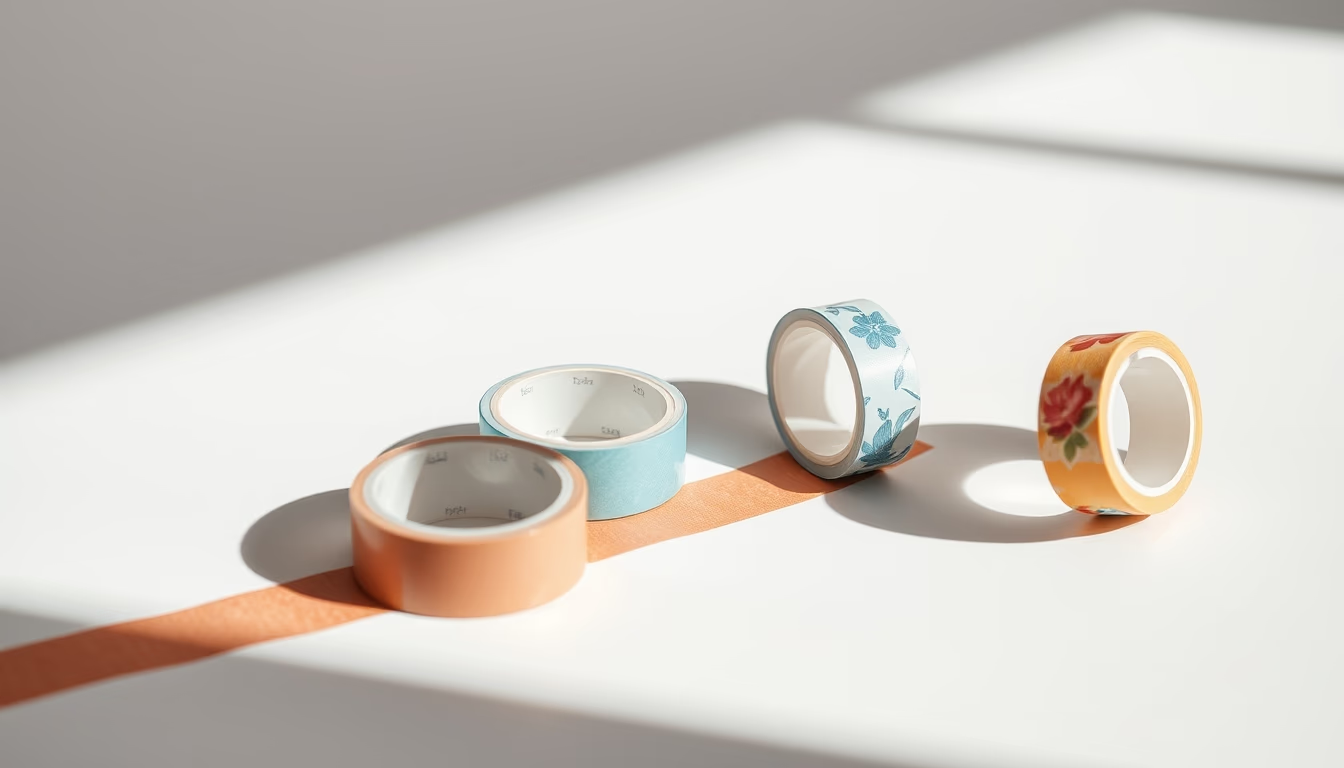
Washi tape is the decorative Japanese adhesive tape, handmade from natural fibers, that has conquered the world of crafts and stationery.
About this subject
Washi tape, also known as Japanese masking tape, originates from Japan, where washi paper has been handmade for centuries using fibers from the kōzo (paper mulberry), mitsumata, or gampi plants. Unlike common adhesive tapes, washi tape is made from handmade paper, giving it a subtle texture, translucency, and the ability to be removed without damaging surfaces like paper or painted walls. This characteristic made it popular in scrapbooking, journaling, and object decoration.
Traditional production involves cultivating and processing the fibers, which are beaten and mixed with water to form a pulp, then pressed into sheets. The resulting paper is cut into strips and printed with various patterns, from floral and geometric designs to seasonal motifs like cherry blossoms (sakura) or autumn leaves. Many Japanese artisans still produce washi tape by hand, preserving centuries-old techniques.
In the global market, washi tape gained prominence in the 2000s, especially with the rise of bullet journaling and hand lettering. Brands like MT (Masking Tape) from Kamoi Kakoshi Co. are benchmarks, offering hundreds of colors and prints. The tape's versatility extends beyond crafts: labeling kitchen jars, decorating cards, gift wrapping, and even temporary repairs in stationery.
Interestingly, the term washi tape combines “washi” (Japanese paper) and “tape” (from English). Although often associated with scrapbooking, its origin lies in the demand for decorative adhesive tapes that would not yellow over time, unlike plastic-based tapes. Washi tape is also biodegradable and recyclable, making it a more sustainable option compared to synthetic tapes.
Frequently Asked Questions
Can washi tape be reused?
Yes, often. Since it is removable without damaging surfaces, washi tape can be repositioned a few times, but adhesion decreases after repeated applications.
What are the most common uses for washi tape?
Common uses include decorating journals and planners, gift wrapping, labeling containers, customizing objects, scrapbooking, and temporary wall art.
Is washi tape water-resistant?
Generally no. Because it is made of paper, washi tape is not waterproof and may fade or be damaged with constant exposure to moisture.
Direct URL
https://pub-c7d6a6ea828543ac903a74a341ccb2e1.r2.dev/imagens/washi-tape-rolls-magazine-editorial-fresh15.avifHow to credit
Include a visible link back to UtilizAí. Copy one of the snippets below:
<a href="https://xn--utiliza-eza.com/en/midia/imagens/washi-tape-rolls-magazine-editorial-fresh15">Washi tape rolls</a> by <a href="https://xn--utiliza-eza.com">UtilizAí</a>, licensed under <a href="https://creativecommons.org/licenses/by/4.0/">CC BY 4.0</a>.
[Washi tape rolls](https://xn--utiliza-eza.com/en/midia/imagens/washi-tape-rolls-magazine-editorial-fresh15) by [UtilizAí](https://xn--utiliza-eza.com), CC BY 4.0
License: CC-BY-4.0