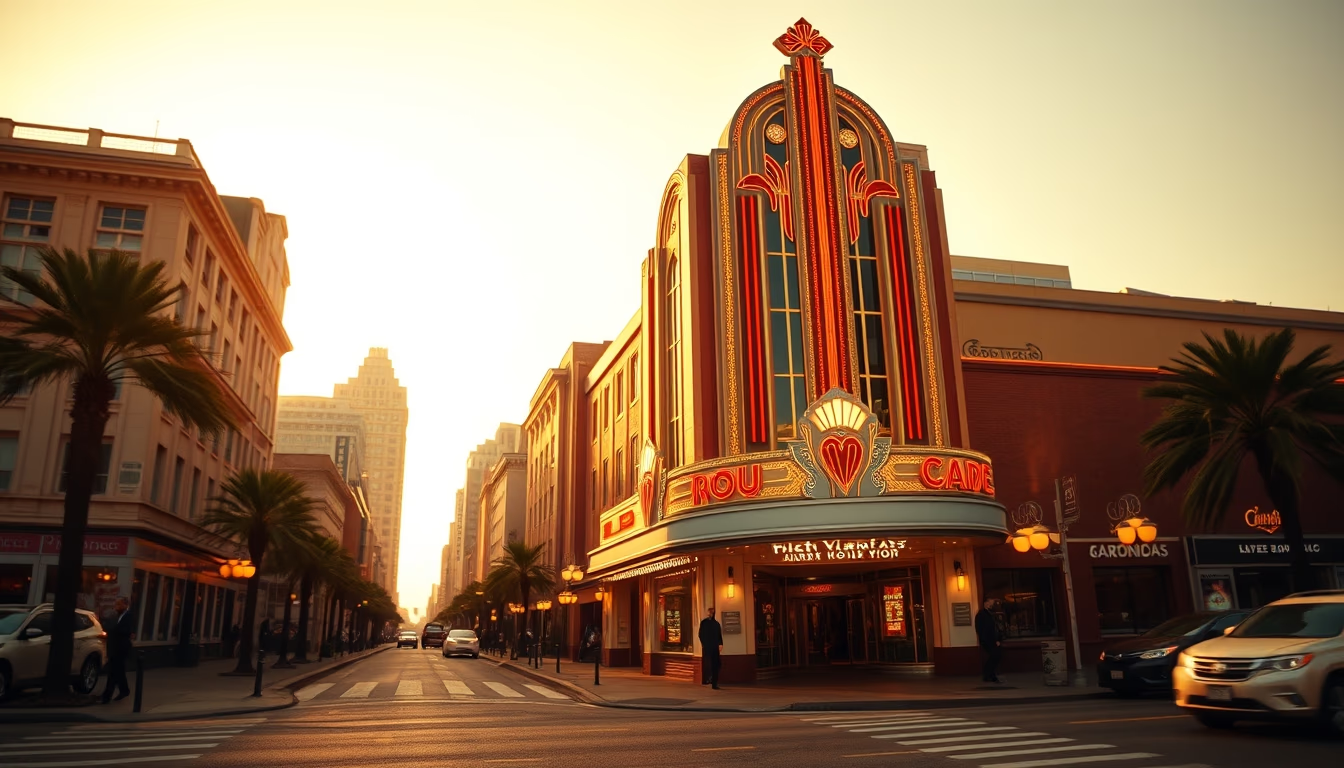
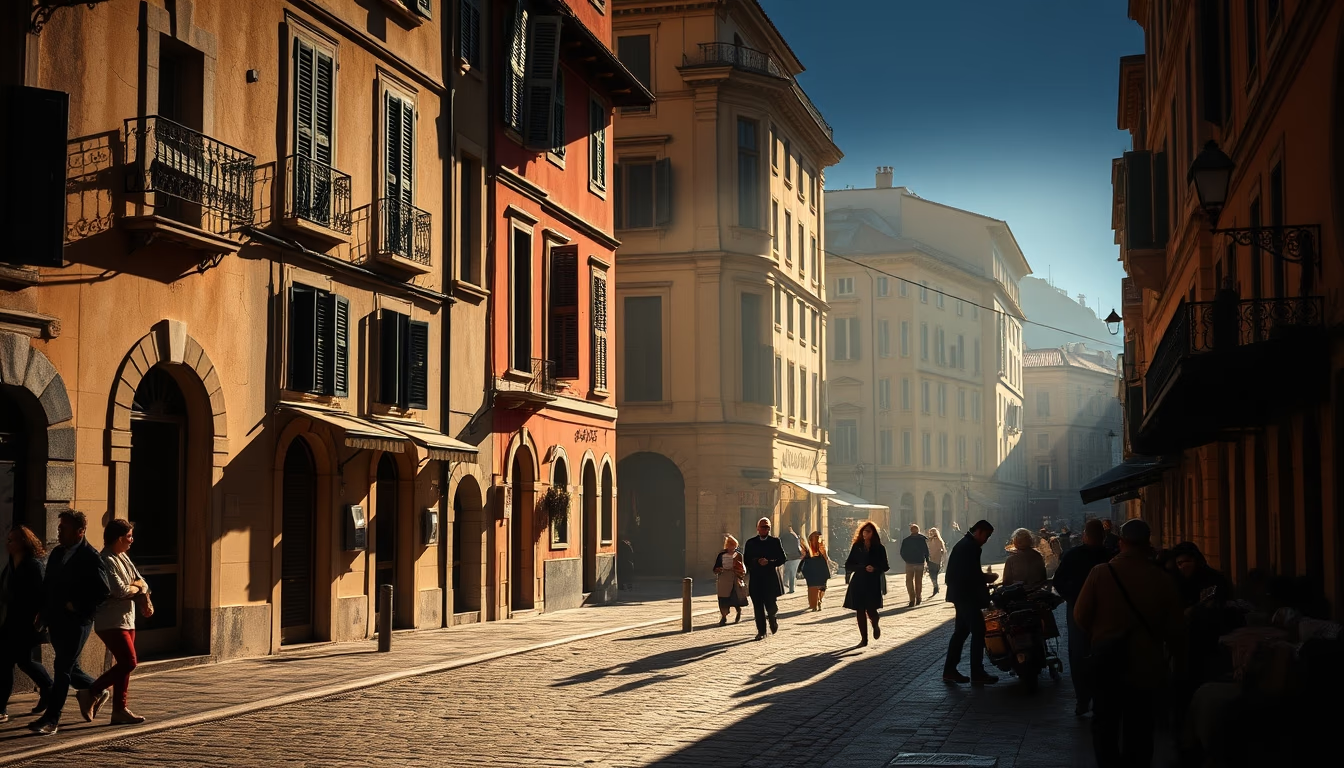
Vintage postcards stack
1344×768 · AVIF · CC BY 4.0

A stack of vintage postcards illustrates the evolution of visual communication and collecting, with architectural images revealing past cities.
About this subject
Vintage postcards, especially those featuring architectural photography, are testimonies to urban history and 20th-century tourism. Their popularity exploded between 1890 and 1910, the so-called Golden Age of postcards, when mass printing and low postage allowed ordinary people to send images of their travels or hometowns. Architectural images, such as building façades, squares, and monuments, were particularly valued for documenting city growth and stylistic shifts, from Neoclassical to Art Deco.
In Brazil, postcard production began in the late 19th century with publishers like Livraria Kosmos and Casa Garraux. Cities like São Paulo, Rio de Janeiro, and Salvador were widely depicted, showing everything from Avenida Central (now Rio Branco) to Pelourinho. Today's collectors seek these images not only for nostalgia but also for their historical and iconographic value. A stack of vintage postcards can contain pieces from the early 1900s to modern reproductions, but always carrying the aesthetics and information of a bygone era.
The term "vintage" applied to postcards indicates they were produced at least 20 to 30 years ago, with extra value for those predating 1945. Sepia or black-and-white architectural images are especially coveted by historians and urban planners, as they often show buildings that no longer exist or have been significantly altered. Additionally, the back of postcards, with stamps, postmarks, and handwritten messages, offers a window into everyday life and past communication practices.
Preservation of a stack of vintage postcards requires care: they should be stored in acid-free albums, protected from direct light and humidity. For collectors, rarity, condition, and theme (such as architecture, landscapes, or historical events) determine market value. Specialized auctions and antique fairs are common places to find these pieces, which continue to fascinate generations by freezing time in a small rectangle of paper.
Frequently Asked Questions
What is the difference between a vintage and an antique postcard?
Vintage typically refers to items at least 20 or 30 years old, while antique usually means over 100 years. However, the terms are used flexibly in collecting.
How can I determine the value of a vintage architectural postcard?
Value depends on rarity, condition (no tears, stains, or creases), image sharpness, publisher, date, and demand for that specific theme or location. Stamps and postmarks can also add value.
Where can I buy or sell vintage postcards?
Antique fairs, online auctions (eBay, Mercado Livre), specialty collectible shops, and social media groups dedicated to postcards. Always verify authenticity and condition before purchasing.
Direct URL
https://pub-c7d6a6ea828543ac903a74a341ccb2e1.r2.dev/imagens/vintage-postcards-stack-architectural-photography-fresh11.avifHow to credit
Include a visible link back to UtilizAí. Copy one of the snippets below:
<a href="https://xn--utiliza-eza.com/en/midia/imagens/vintage-postcards-stack-architectural-photography-fresh11">Vintage postcards stack</a> by <a href="https://xn--utiliza-eza.com">UtilizAí</a>, licensed under <a href="https://creativecommons.org/licenses/by/4.0/">CC BY 4.0</a>.
[Vintage postcards stack](https://xn--utiliza-eza.com/en/midia/imagens/vintage-postcards-stack-architectural-photography-fresh11) by [UtilizAí](https://xn--utiliza-eza.com), CC BY 4.0
License: CC-BY-4.0