Venus surface acidic
1344×768 · AVIF · CC BY 4.0
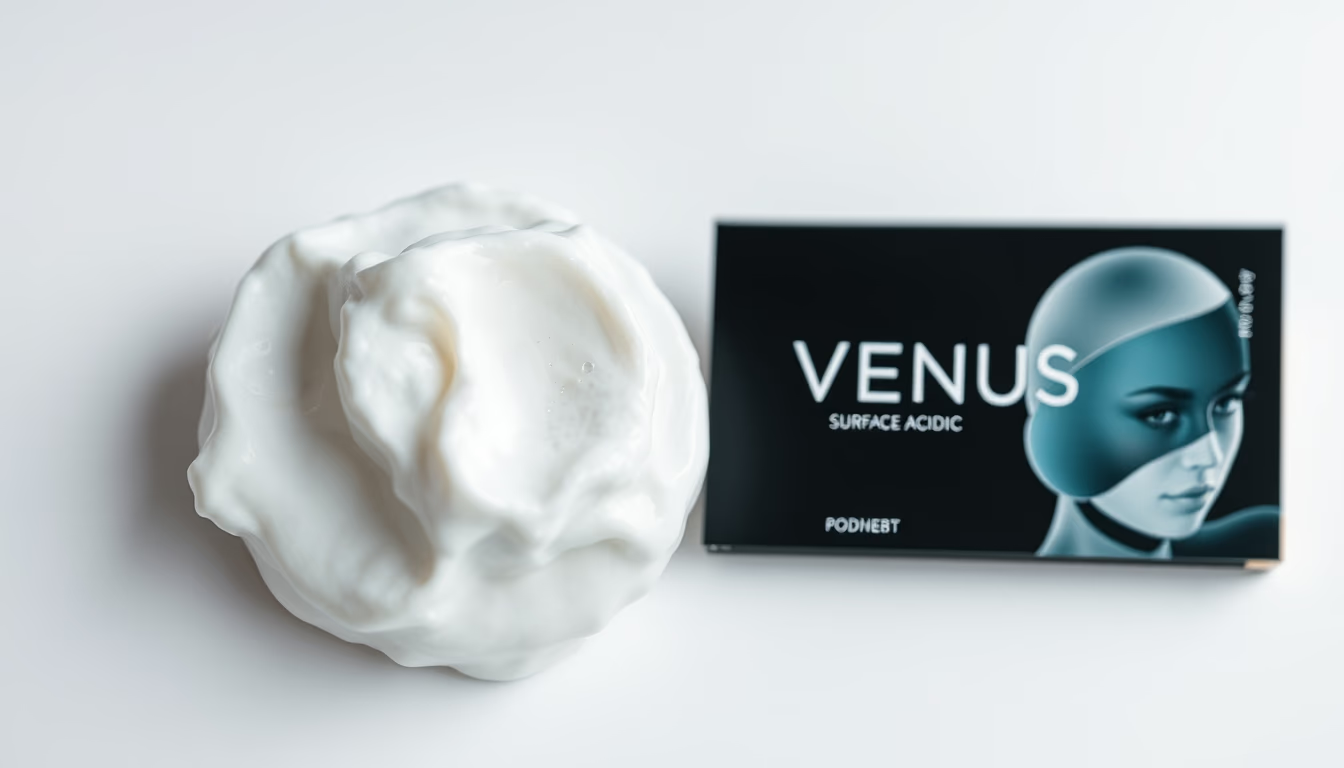
The surface of Venus is dominated by an extremely acidic environment, with clouds of sulfuric acid and temperatures that melt lead.
About this subject
The surface of Venus is a hellish environment: average temperatures of 462°C, an atmospheric pressure 92 times that of Earth, and thick clouds of sulfur dioxide that transform into sulfuric acid. This highly corrosive acid falls as rain at higher altitudes but evaporates before reaching the ground, creating a unique chemical cycle. The Venusian atmosphere is 96.5% carbon dioxide, with traces of nitrogen and other gases, generating a runaway greenhouse effect that makes it the hottest planet in the solar system.
Despite the extreme conditions, the surface shows signs of recent volcanic activity, with vast lava plains and mountains such as Maxwell Montes, which reaches 11 km in height. The Soviet Venera probes, in the 1970s and 1980s, managed to land and send images for a few hours before succumbing to heat and pressure. They revealed a rocky and barren terrain, with chemically eroded basaltic rocks.
The acidity of Venus is not just an atmospheric phenomenon: reactions between sulfur and oxygen in the upper layers create sulfuric acid particles that reflect 70% of sunlight, making Venus one of the brightest objects in Earth's night sky. This brightness, combined with impenetrable clouds, hindered the study of its surface for centuries, only made possible by orbital radars such as Magellan, which mapped 98% of the topography.
Frequently Asked Questions
Why is the surface of Venus so acidic?
The acidity comes from sulfur dioxide clouds that react with water and oxygen to form sulfuric acid. This acid reaches the upper atmosphere and, although it does not reach the ground, contributes to the planet's overall corrosive environment.
How did probes study the surface of Venus despite extreme conditions?
The Soviet Venera probes were designed with cooling systems and protection to withstand high temperatures and pressure. They landed and transmitted data for up to two hours before failing. Later, the Magellan orbiter used radar to map the surface through the clouds.
Is there water on Venus today?
Venus was likely rich in water in the past, but the runaway greenhouse effect evaporated the oceans. Today, the atmosphere contains traces of water vapor, but most has been lost to space or dissociated by solar radiation.
Direct URL
https://pub-c7d6a6ea828543ac903a74a341ccb2e1.r2.dev/imagens/venus-surface-acidic-commercial-product-photography-p12.avifHow to credit
Include a visible link back to UtilizAí. Copy one of the snippets below:
<a href="https://xn--utiliza-eza.com/en/midia/imagens/venus-surface-acidic-commercial-product-photography-p12">Venus surface acidic</a> by <a href="https://xn--utiliza-eza.com">UtilizAí</a>, licensed under <a href="https://creativecommons.org/licenses/by/4.0/">CC BY 4.0</a>.
[Venus surface acidic](https://xn--utiliza-eza.com/en/midia/imagens/venus-surface-acidic-commercial-product-photography-p12) by [UtilizAí](https://xn--utiliza-eza.com), CC BY 4.0
License: CC-BY-4.0