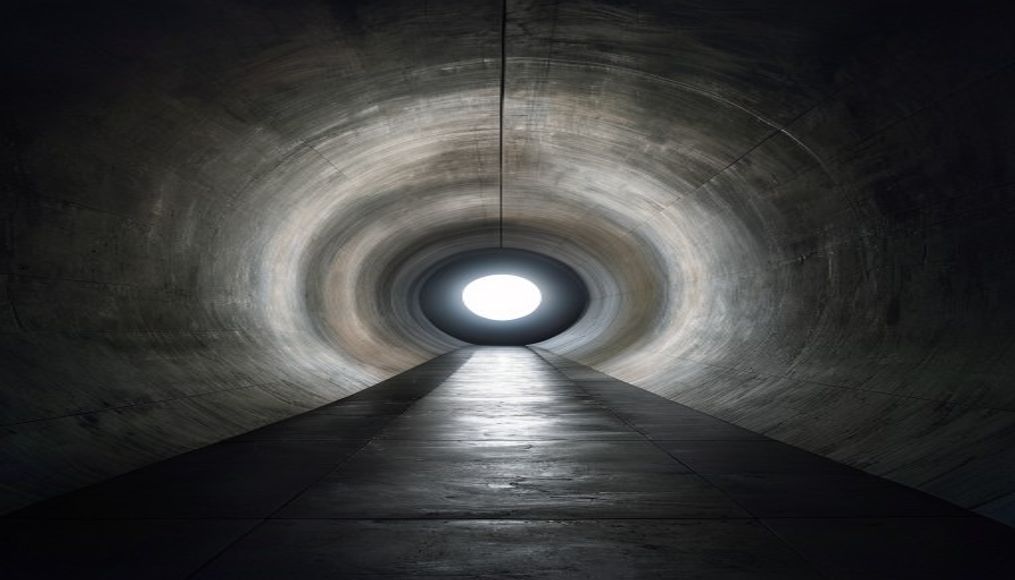
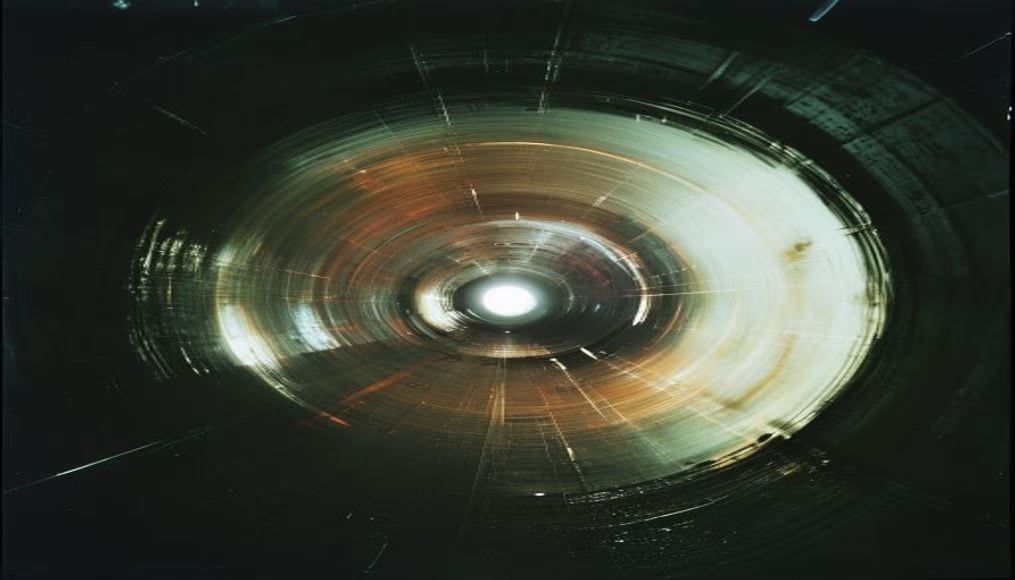
Venus surface acidic
1344×768 · AVIF · CC BY 4.0

The surface of Venus is dominated by extreme conditions, with temperatures above 460°C and clouds of sulfuric acid, creating a hostile environment.
About this subject
Venus, the second planet from the Sun, has the densest and most toxic atmosphere in the Solar System. Composed mainly of carbon dioxide (96%) and nitrogen, with traces of sulfur dioxide, its atmosphere generates a runaway greenhouse effect. The clouds are formed by droplets of sulfuric acid, reflecting much sunlight but still retaining enough heat to raise surface temperatures to levels that can melt lead.
Atmospheric pressure on the Venusian surface is about 90 times that of Earth, equivalent to the pressure 900 meters below the ocean. This intense pressure combines with average temperatures of 464°C, making liquid water impossible. Despite this, the surface features vast volcanic plains, large mountain ranges, and over 1,600 major volcanoes, many of which are possibly active.
Venus is often called Earth's 'sister planet' due to similar size and mass, but its atmospheric evolution took a radically different path. While Earth developed a carbonate cycle regulating CO2, Venus lost its water and accumulated CO2, resulting in the extreme greenhouse effect. Recent studies suggest Venus may have had oceans in the past, but volcanic activity and lack of plate tectonics prevented carbon recycling, leading to the current state.
Missions such as the Soviet Venera (which landed probes on the surface in the 1970s and 1980s) and the more recent Japanese Akatsuki have revealed details about geology and atmospheric dynamics. NASA plans the VERITAS mission in the 2020s to map the surface with radar, seeking to understand why Venus became so inhospitable.
Frequently Asked Questions
Why is the surface of Venus so hot?
Due to a runaway greenhouse effect caused by the thick carbon dioxide atmosphere, which traps heat from the Sun, raising temperatures to over 460°C.
Are Venus's clouds really made of sulfuric acid?
Yes, Venusian clouds contain droplets of concentrated sulfuric acid, formed from sulfur dioxide and water vapor in the atmosphere.
Has any probe ever landed on Venus?
Yes, the Soviet Union sent several Venera probes between 1970 and 1982, which landed and transmitted data for up to two hours before succumbing to the extreme conditions.
Direct URL
https://pub-c7d6a6ea828543ac903a74a341ccb2e1.r2.dev/imagens/venus-surface-acidic-cinematic-wide-shot-p5.avifHow to credit
Include a visible link back to UtilizAí. Copy one of the snippets below:
<a href="https://xn--utiliza-eza.com/en/midia/imagens/venus-surface-acidic-cinematic-wide-shot-p5">Venus surface acidic</a> by <a href="https://xn--utiliza-eza.com">UtilizAí</a>, licensed under <a href="https://creativecommons.org/licenses/by/4.0/">CC BY 4.0</a>.
[Venus surface acidic](https://xn--utiliza-eza.com/en/midia/imagens/venus-surface-acidic-cinematic-wide-shot-p5) by [UtilizAí](https://xn--utiliza-eza.com), CC BY 4.0
License: CC-BY-4.0