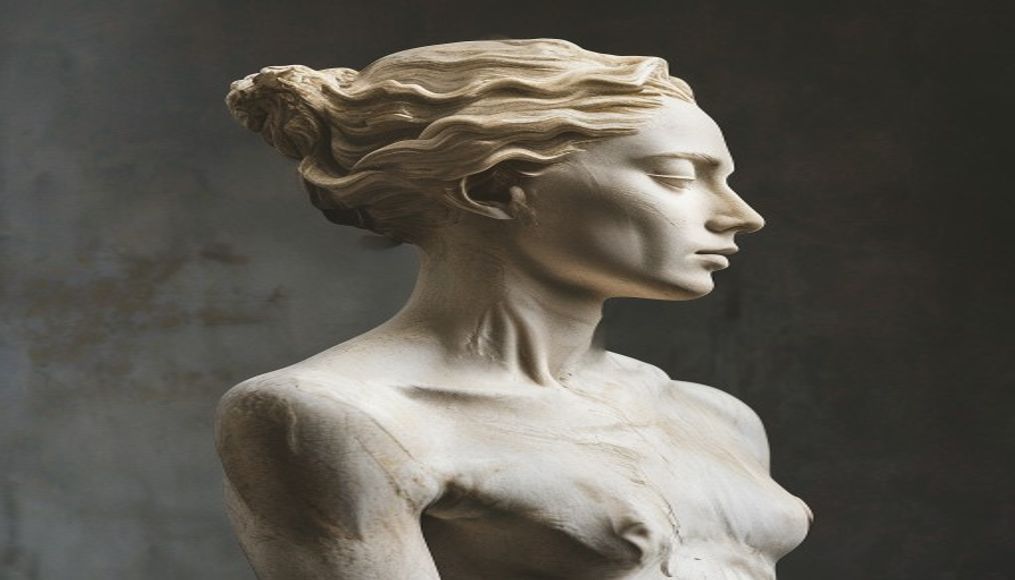
Venus de milo armless
1344×768 · AVIF · CC BY 4.0
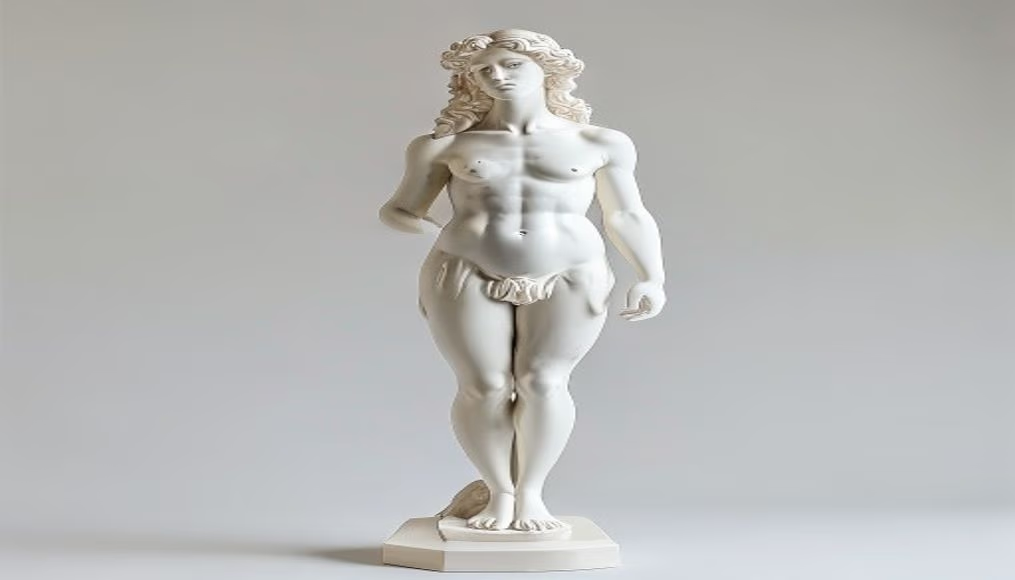
Venus de Milo, the iconic Greek statue missing arms from the Hellenistic period, sparks fascination and debate about its original pose.
About this subject
The Venus de Milo is one of the most famous sculptures of antiquity, carved from marble around 150-100 BC and attributed to Alexandros of Antioch. Discovered in 1820 on the island of Milos, Greece, the statue represents the goddess of love, Aphrodite (Venus in Roman mythology), and exemplifies the late Hellenistic style. Standing at 2.03 meters tall, it is renowned for its elegance and the loss of its arms, which became its most recognizable feature. The absence of the limbs does not diminish its artistic value; on the contrary, it has spawned numerous theories about the original pose, such as whether the goddess held an apple, a shield, or a mirror.
The discovery was made by a local farmer named Yorgos Kentrotas, who found the statue in two main pieces inside a cave. Negotiated with French officials, the Venus was taken to Paris and exhibited at the Louvre Museum from 1821, where it remains to this day. The work quickly became a symbol of classical beauty and one of the museum's most visited attractions. Its popularity has influenced artists, writers, and popular imagination, being reproduced in countless commercial and cultural contexts.
The armless condition of the Venus de Milo has inspired many academic debates. Some scholars suggest that the arms were broken during transport after discovery, while others believe they were already damaged beforehand. Digital and physical reconstruction attempts have proposed poses such as holding a drape or leaning on a pillar. Regardless, the statue's incompleteness contributes to its aura of mystery and admiration, making it a timeless icon of Western art.
Frequently Asked Questions
Why is the Venus de Milo missing arms?
It is not known for certain. The arms were already missing when the statue was discovered in 1820. Theories include breakage during transport from the island of Milos or damage from an earthquake. The original arms have never been found.
What did the Venus de Milo originally hold?
Several hypotheses exist: an apple (linked to the Judgment of Paris), a shield (as in armed Aphrodite), or a mirror. Another possibility is that she held the edge of her drape. No theory has been confirmed.
Where is the Venus de Milo displayed?
The statue is on permanent display at the Louvre Museum in Paris, France. It occupies a prominent spot in the Sully wing, being one of the museum's most iconic pieces.
Direct URL
https://pub-c7d6a6ea828543ac903a74a341ccb2e1.r2.dev/imagens/venus-de-milo-armless-commercial-product-photography-p1.avifHow to credit
Include a visible link back to UtilizAí. Copy one of the snippets below:
<a href="https://xn--utiliza-eza.com/en/midia/imagens/venus-de-milo-armless-commercial-product-photography-p1">Venus de milo armless</a> by <a href="https://xn--utiliza-eza.com">UtilizAí</a>, licensed under <a href="https://creativecommons.org/licenses/by/4.0/">CC BY 4.0</a>.
[Venus de milo armless](https://xn--utiliza-eza.com/en/midia/imagens/venus-de-milo-armless-commercial-product-photography-p1) by [UtilizAí](https://xn--utiliza-eza.com), CC BY 4.0
License: CC-BY-4.0