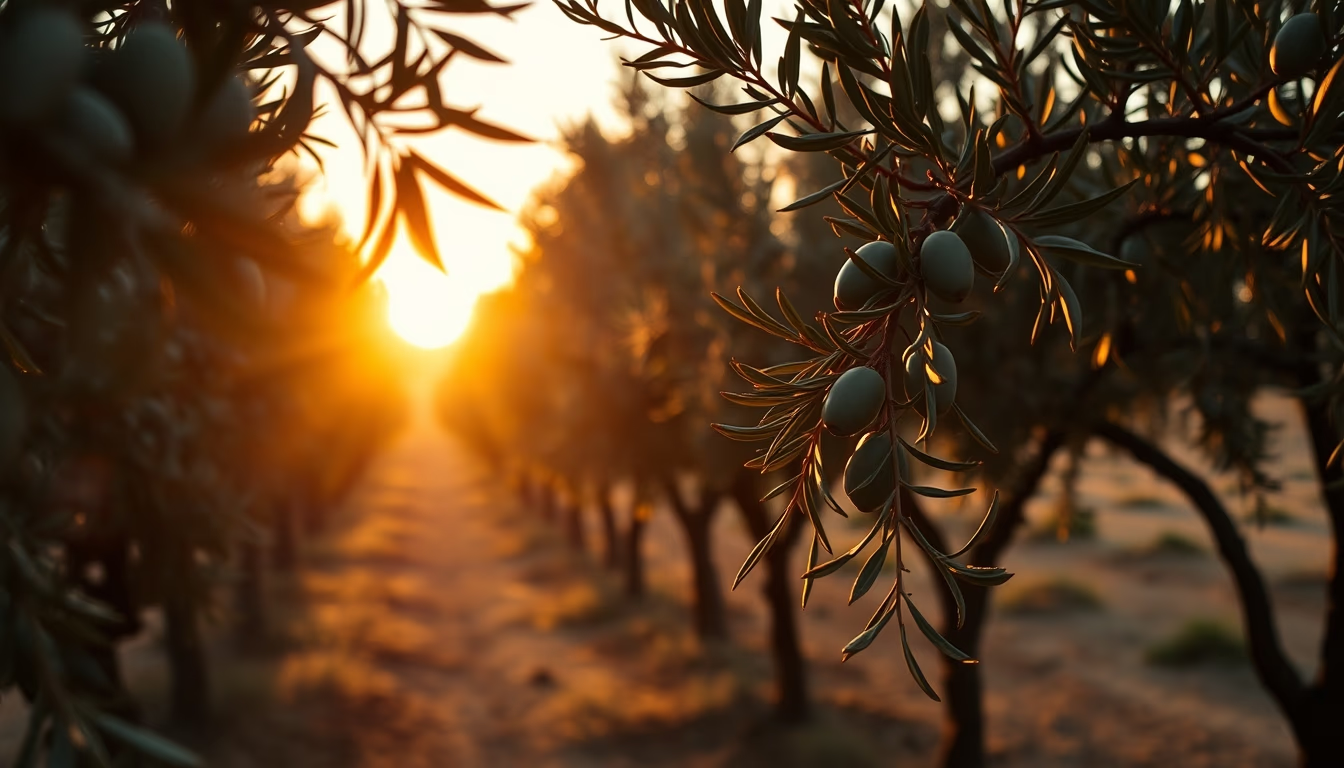
Urban farm rooftop
1344×768 · AVIF · CC BY 4.0

Rooftop urban farms transform underused rooftops into sources of fresh food, combating food insecurity in cities.
About this subject
Rooftop farming, or urban rooftop agriculture, is a growing practice in metropolises worldwide. It involves cultivating vegetables, fruits, and even small livestock on building rooftops, turning previously unused spaces into productive green areas. This technique is part of the urban agriculture movement, which aims to bring food production closer to consumers, reducing transportation distances and carbon footprint.
Besides providing fresh, local food, rooftop farms offer significant environmental benefits. They help mitigate the urban heat island effect by absorbing solar radiation and releasing moisture. They also improve the thermal insulation of buildings, reducing energy costs for heating and cooling. The retention of rainwater by plants decreases surface runoff, easing urban drainage systems and preventing floods.
Notable examples include Brooklyn Grange in New York City, which operates two rooftop farms totaling over 1 hectare and produces more than 22 tons of food annually. In Brazil, initiatives such as Fazenda Urbana in São Paulo and projects in residential condominiums are gaining traction. Common techniques include container gardening, raised beds, and hydroponic systems, which save water and allow higher planting density.
Challenges include structural reinforcement to support the weight of soil and water, installation of efficient irrigation systems, and protection against strong winds. Plant species selection must consider solar exposure and local microclimate. Despite these hurdles, rooftop farming represents a sustainable solution for food production in densely populated areas, promoting food security and environmental education within communities.
Frequently Asked Questions
What are the main challenges for implementing a rooftop farm?
The main challenges include the structural load capacity of the building to support additional weight of soil, water, and plants. Efficient irrigation systems, wind protection, and selecting species adapted to the local microclimate are also critical.
Can rooftop farming really help reduce urban temperatures?
Yes, plants on rooftops absorb solar radiation and release moisture through evapotranspiration, which lowers local temperatures. This helps mitigate the urban heat island effect common in large cities.
What types of food can be grown on urban rooftops?
A wide variety can be grown: leafy greens like lettuce and arugula, tomatoes, herbs such as basil and mint, small fruits like strawberries, and even root vegetables like carrots if the substrate is deep enough. Hydroponic systems expand the possibilities.
Direct URL
https://pub-c7d6a6ea828543ac903a74a341ccb2e1.r2.dev/imagens/urban-farm-rooftop-film-grain-authentic-p1.avifHow to credit
Include a visible link back to UtilizAí. Copy one of the snippets below:
<a href="https://xn--utiliza-eza.com/en/midia/imagens/urban-farm-rooftop-film-grain-authentic-p1">Urban farm rooftop</a> by <a href="https://xn--utiliza-eza.com">UtilizAí</a>, licensed under <a href="https://creativecommons.org/licenses/by/4.0/">CC BY 4.0</a>.
[Urban farm rooftop](https://xn--utiliza-eza.com/en/midia/imagens/urban-farm-rooftop-film-grain-authentic-p1) by [UtilizAí](https://xn--utiliza-eza.com), CC BY 4.0
License: CC-BY-4.0