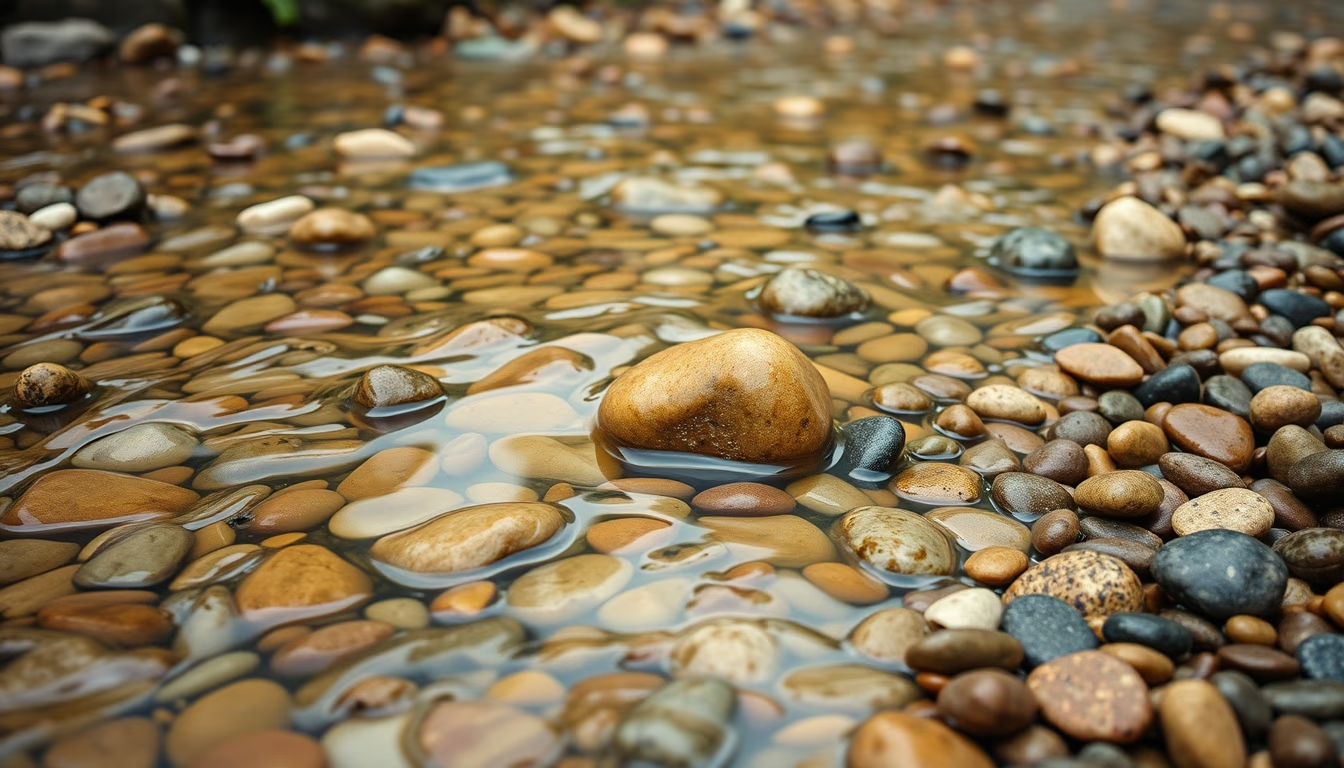
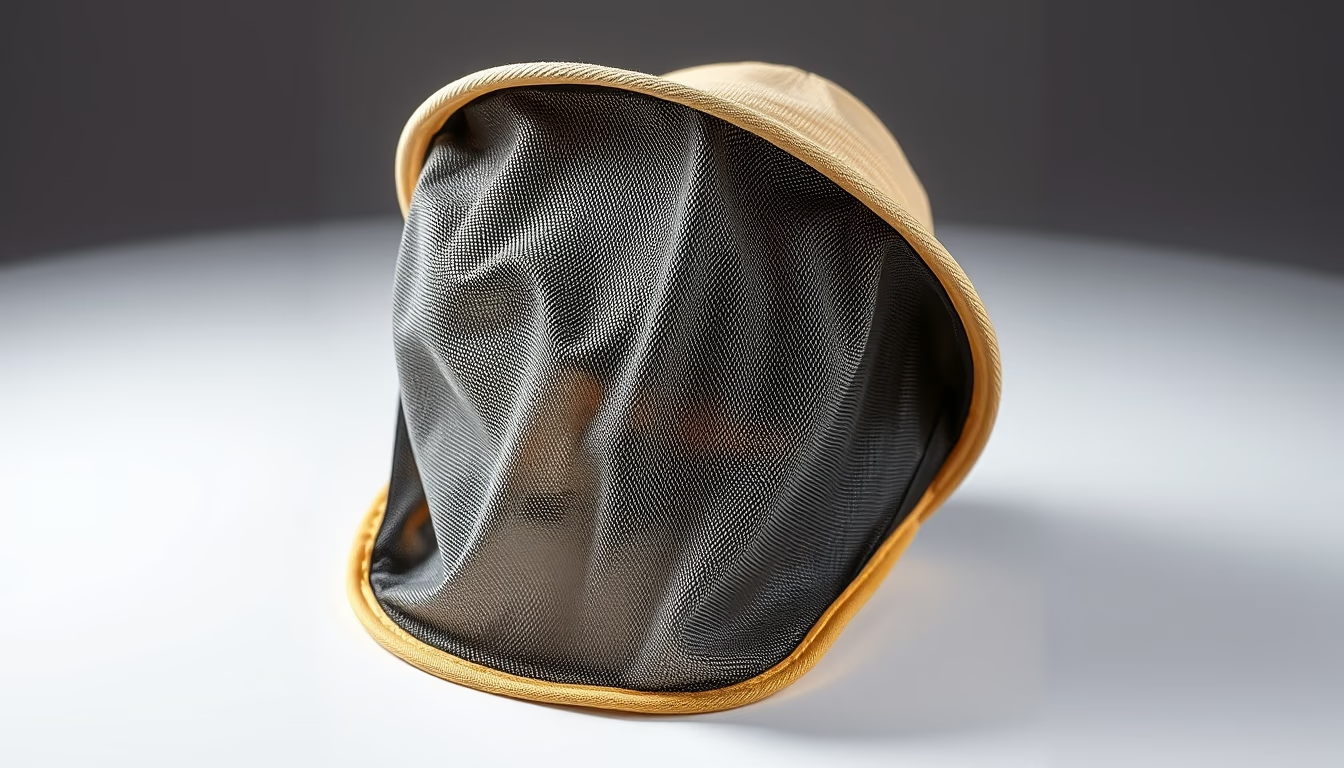
Underwater camera housing
1344×768 · AVIF · CC BY 4.0

Discover how underwater camera housings enable long exposure photography beneath the surface, covering materials, depth ratings, and creative techniques.
About this subject
Underwater camera housings are enclosures designed to protect photographic equipment in underwater environments. They are commonly made from anodized aluminum, polycarbonate, or acrylic, each material offering a different balance of strength, weight, and transparency. Aluminum housings are tougher and suitable for deep dives, while polycarbonate ones are lighter and more affordable, ideal for snorkeling or recreational photography.
For long exposure underwater photography, the housing must allow full manual control of the camera and the use of remote triggers. Many models feature ports for pass-through cables, dedicated buttons for adjusting ISO, aperture, and shutter speed, and tripod mounts. This enables capturing the smooth movement of water, slow-motion breaking waves, or the light of bioluminescent creatures in exposures lasting several seconds.
The maximum depth rating varies with design and material. Polycarbonate housings are typically rated down to 40 meters, while aluminum models can reach 100 meters or more. Sealing is achieved through rubber O-rings that require regular maintenance, such as lubrication and cleaning, to prevent leaks. Loss of waterproofing is a common risk, especially after drops or prolonged use.
Renowned brands like Ikelite, Nauticam, and Aquatica offer models for DSLR and mirrorless cameras, with accessories such as dome ports (for wide-angle lenses) and flash extensions. Underwater housings are not limited to leisure; they are essential in marine scientific research, documentaries, and underwater inspections. Interestingly, the first commercial housing appeared in the 1950s with the rise of amateur underwater photography.
Frequently Asked Questions
What materials are commonly used for underwater camera housings?
Common materials include anodized aluminum (durable but heavy) and polycarbonate (lightweight and affordable). Some housings use acrylic for transparency.
Can you do long exposure photography underwater with a housing?
Yes, most housings provide access to manual camera controls and support remote triggers, enabling exposures of several seconds.
What is the maximum depth rating for an underwater camera housing?
It varies. Polycarbonate housings typically withstand up to 40 meters, while professional aluminum models can reach 100 meters or more.
Direct URL
https://pub-c7d6a6ea828543ac903a74a341ccb2e1.r2.dev/imagens/underwater-camera-housing-long-exposure-fresh15.avifHow to credit
Include a visible link back to UtilizAí. Copy one of the snippets below:
<a href="https://xn--utiliza-eza.com/en/midia/imagens/underwater-camera-housing-long-exposure-fresh15">Underwater camera housing</a> by <a href="https://xn--utiliza-eza.com">UtilizAí</a>, licensed under <a href="https://creativecommons.org/licenses/by/4.0/">CC BY 4.0</a>.
[Underwater camera housing](https://xn--utiliza-eza.com/en/midia/imagens/underwater-camera-housing-long-exposure-fresh15) by [UtilizAí](https://xn--utiliza-eza.com), CC BY 4.0
License: CC-BY-4.0