Underwater camera housing
1344×768 · AVIF · CC BY 4.0
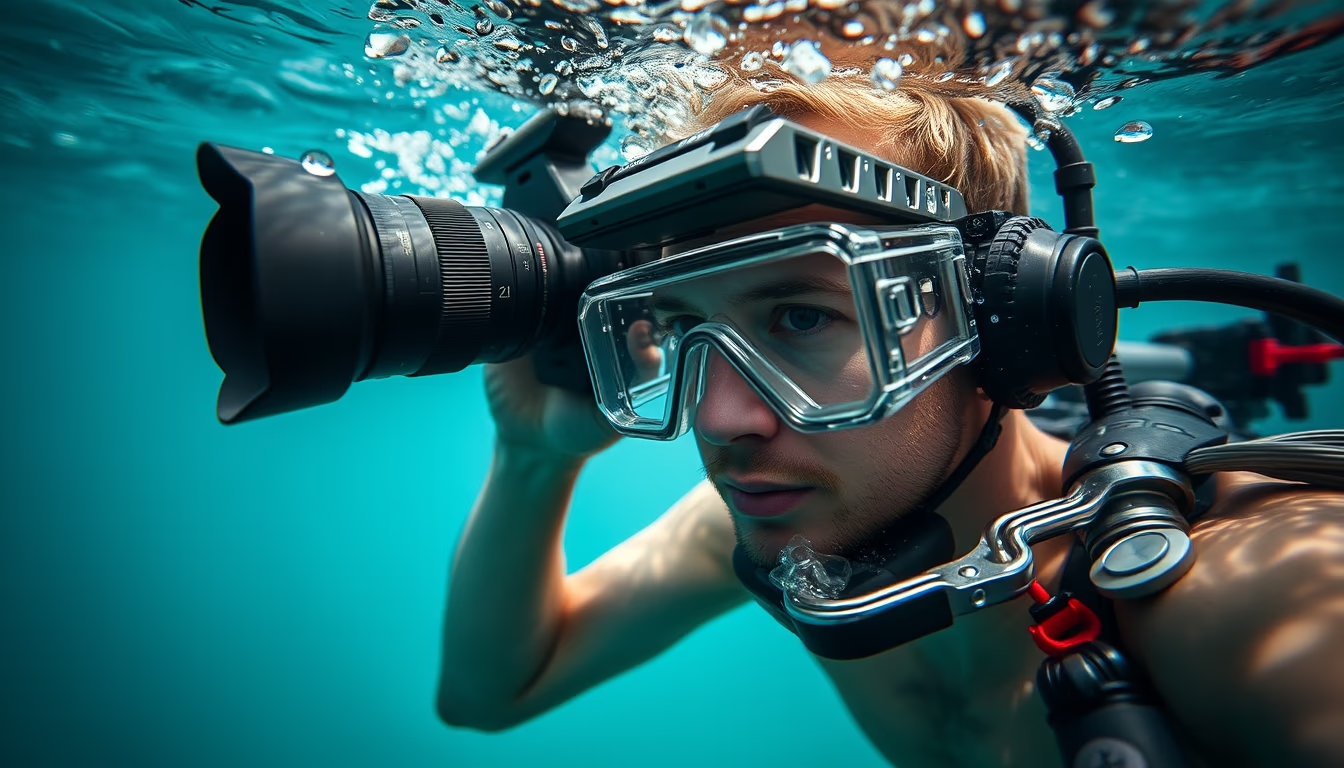
Waterproof enclosure that allows cameras and video equipment to be used underwater, essential for professional and amateur underwater photography.
About this subject
An underwater camera housing is a waterproof enclosure designed to protect photographic and video equipment when used underwater. Its primary role is to keep the camera dry and operational at depths ranging from a few meters to over 100 meters, depending on the model. Housings are made from materials such as anodized aluminum, polycarbonate, or carbon fiber, chosen for corrosion resistance and high-pressure tolerance. Rubber seals (O-rings) ensure watertightness, while mechanical or electronic controls allow access to camera buttons without opening the housing.
The history of underwater housings dates back to the 1950s, when explorer and filmmaker Jacques-Yves Cousteau collaborated with engineer Jean de Wouters to develop the first practical underwater camera, the Calypso-Phot. This equipment, later commercialized as the Nikonos, revolutionized underwater photography. Before that, cameras were adapted with homemade wooden or metal boxes, often prone to leaks. Today, housings are produced by manufacturers like Nauticam, Ikelite, Aquatica, and Seacam, supporting everything from compact cameras to high-end DSLR and mirrorless systems.
Selecting the right housing is critical for underwater photographers: beyond compatibility with the camera model, factors such as maximum depth, weight, ergonomics, and availability of lens ports (for interchangeable lens systems) are decisive. In scientific documentation expeditions or underwater cinematography, housings are often customized with connectors for external lighting, remote triggering, and sensors. Maintenance is rigorous: every dive requires O-ring inspection with specific lubricant, plus rinsing in fresh water to remove salt residue.
A notable curiosity: modern housings for underwater drones and 360-degree cameras are opening new possibilities in underwater photography. Some models feature internal heaters to prevent lens fogging when submerging in cold water. The used equipment market for recreational diving is also active, as housings represent a significant investment, often exceeding the cost of the camera itself.
Frequently Asked Questions
What is the maximum depth an underwater camera housing can withstand?
It depends on the model. Housings for compact cameras typically handle 40 to 60 meters, while professional aluminum models can reach 100 meters or more. Always check the manufacturer's depth rating before diving.
How do I prevent the housing from fogging up inside while diving?
Fogging is caused by temperature differences and humidity. To prevent it, insert silica gel packets inside the housing before sealing, and allow the equipment to acclimate to underwater conditions for a few minutes. Some housings have built-in heaters to avoid fogging.
Do I need to maintain the O-rings on the housing?
Yes, O-rings must be inspected and lubricated with specific grease before each dive. Salt, sand, or hair residue can compromise the seal. A dry or damaged O-ring should be replaced immediately to prevent leaks.
Direct URL
https://pub-c7d6a6ea828543ac903a74a341ccb2e1.r2.dev/imagens/underwater-camera-housing-documentary-photography-fresh0.avifHow to credit
Include a visible link back to UtilizAí. Copy one of the snippets below:
<a href="https://xn--utiliza-eza.com/en/midia/imagens/underwater-camera-housing-documentary-photography-fresh0">Underwater camera housing</a> by <a href="https://xn--utiliza-eza.com">UtilizAí</a>, licensed under <a href="https://creativecommons.org/licenses/by/4.0/">CC BY 4.0</a>.
[Underwater camera housing](https://xn--utiliza-eza.com/en/midia/imagens/underwater-camera-housing-documentary-photography-fresh0) by [UtilizAí](https://xn--utiliza-eza.com), CC BY 4.0
License: CC-BY-4.0