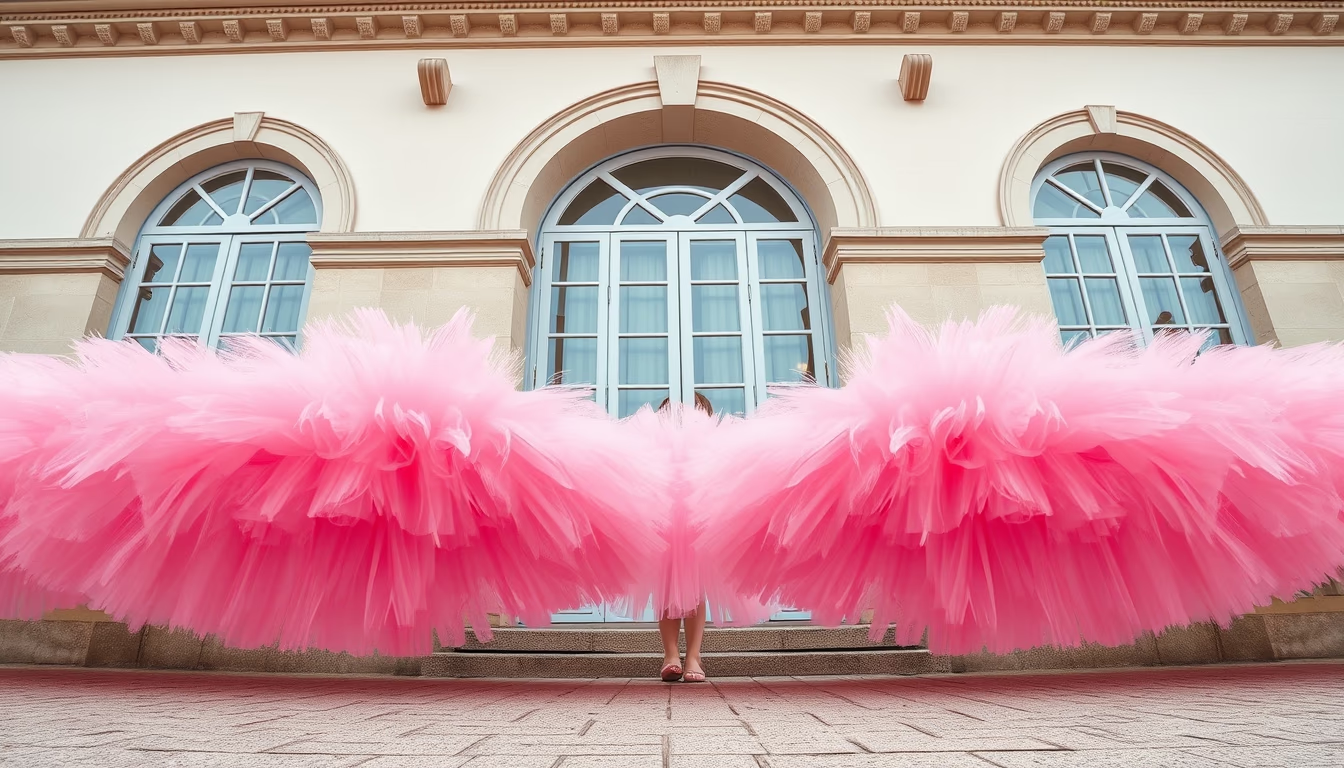
Tutu pink delicate
1344×768 · AVIF · CC BY 4.0

Delicate pink tutu, iconic piece of classical ballet. Learn about its history, construction, and symbolism in dance.
About this subject
The tutu is a skirt worn in classical ballet, particularly in romantic and 19th-century repertoire. It originated in France around 1830, when dancer Marie Taglioni popularized the ethereal silhouette with long tulle skirts in "La Sylphide". Over time, the tutu shortened to expose the legs and allow technical movements, leading to the classical tutu (or "pancake tutu"), a rigid horizontal structure made of layers of starched tulle. The romantic tutu retains longer, flowing skirts, usually to the ankle, evoking lightness and otherworldliness.
Crafting a classical tutu is artisanal and can take 60 to 100 hours. It involves a wire frame, crinoline, and dozens of layers of pleated or gathered tulle, each sewn by hand. The skirt attaches to a tight bodice, often decorated with rhinestones, pearls, or embroidery. Stage tutus are made to be seen from a distance under bright lights; light colors like pink are common for youthful or romantic female roles, such as Odette in "Swan Lake" or the Sugar Plum Fairy in "The Nutcracker".
Tutus are not just costumes; they represent classical ballet tradition. Each dance company maintains its own workshops to create and maintain these pieces, which require special washing and storage to preserve their structure. Although the tutu is associated with femininity, it is also used in male roles in contemporary ballets or innovative productions. Pink, in particular, evokes delicacy and innocence, being one of the most requested shades for princess and nymph roles.
Frequently Asked Questions
What is the difference between a romantic tutu and a classical tutu?
The romantic tutu is long and flowing, with a skirt reaching the ankle, used in romantic ballets like Giselle. The classical tutu is short, rigid, and horizontal, exposing the legs, ideal for virtuosic technique in repertoire like Swan Lake.
How long does it take to make a professional ballet tutu?
Handcrafting a classical tutu can take 60 to 100 hours, depending on the complexity of embroidery and the number of tulle layers. The entire process is manual, including wire framing and pleating.
Why are tutus often pink or white?
Light colors like pink and white are traditional in classical ballet because they evoke lightness, purity, and femininity. They also stand out under stage lighting and match the romantic aesthetic of 19th-century ballets.
Direct URL
https://pub-c7d6a6ea828543ac903a74a341ccb2e1.r2.dev/imagens/tutu-pink-delicate-studio-editorial-portrait-fresh9.avifHow to credit
Include a visible link back to UtilizAí. Copy one of the snippets below:
<a href="https://xn--utiliza-eza.com/en/midia/imagens/tutu-pink-delicate-studio-editorial-portrait-fresh9">Tutu pink delicate</a> by <a href="https://xn--utiliza-eza.com">UtilizAí</a>, licensed under <a href="https://creativecommons.org/licenses/by/4.0/">CC BY 4.0</a>.
[Tutu pink delicate](https://xn--utiliza-eza.com/en/midia/imagens/tutu-pink-delicate-studio-editorial-portrait-fresh9) by [UtilizAí](https://xn--utiliza-eza.com), CC BY 4.0
License: CC-BY-4.0