Tutu pink delicate
1344×768 · AVIF · CC BY 4.0
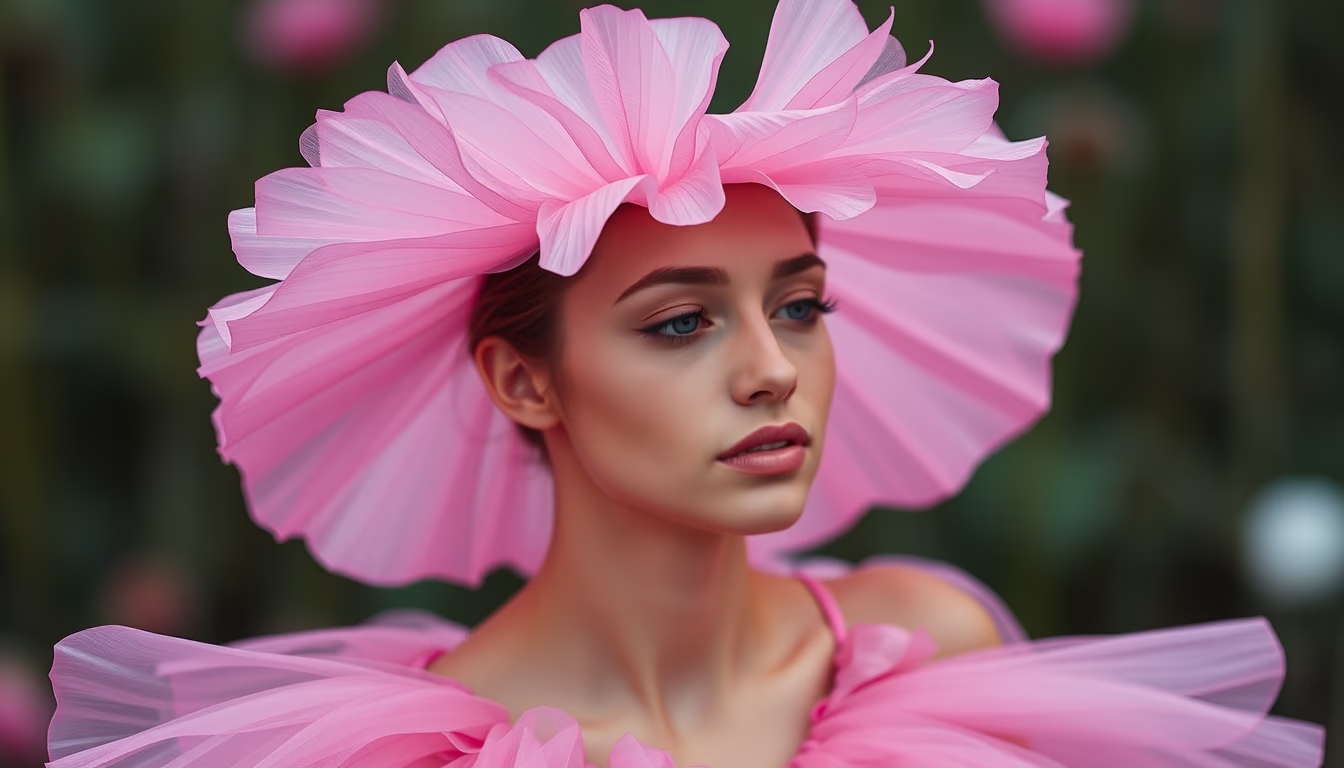
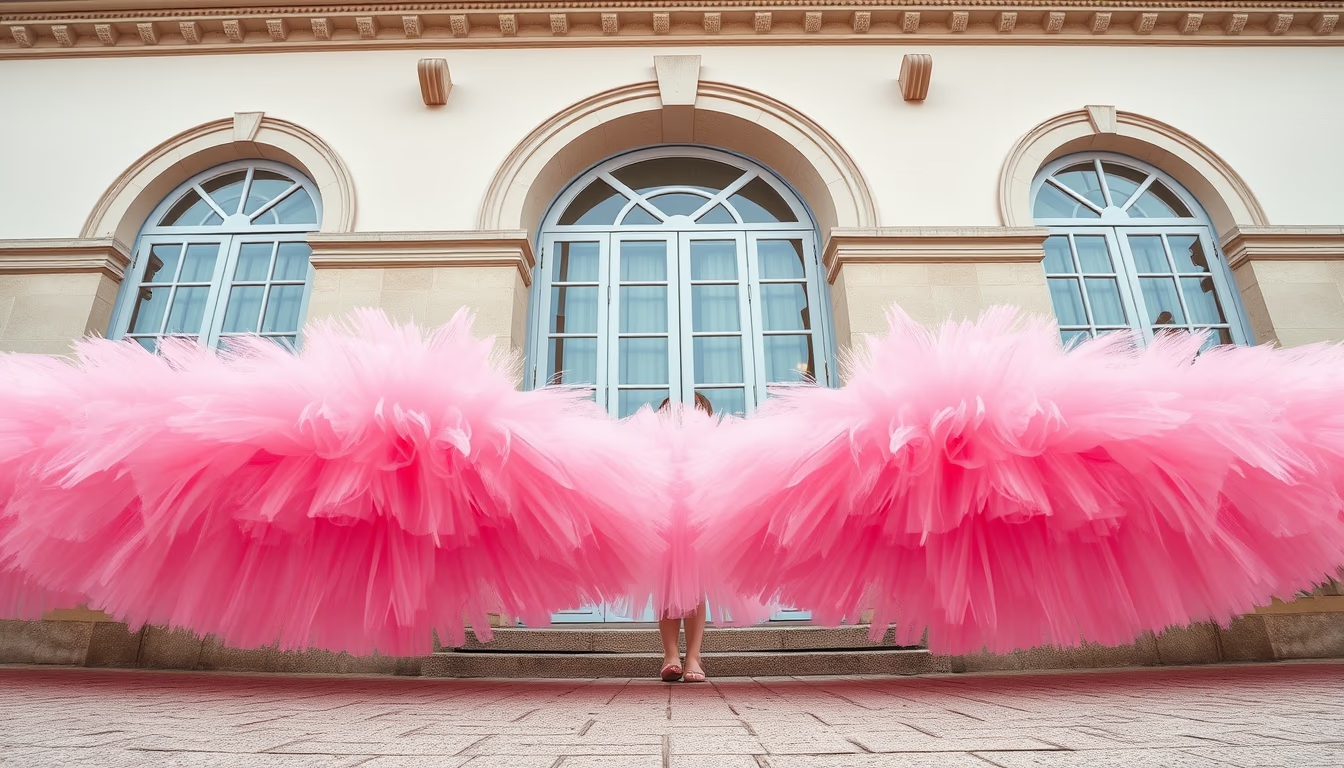
Pink delicate tutu: an iconic piece of classical ballet that combines tradition, technique, and aesthetics in a light, romantic tulle skirt.
About this subject
The tutu is one of the most recognizable pieces of classical ballet. Its origin dates back to the 19th century, when ballerina Marie Taglioni popularized the light tulle skirt in 'La Sylphide' (1832). Before that, ballerinas wore long, heavy dresses. The romantic tutu, characterized by long, flowing skirts, gave way to the platter tutu in the late 19th century, shorter and stiffer, exposing the dancer's legs and feet to highlight technique. The pink delicate model is a modern variation that emphasizes femininity and delicacy, often used in variations of repertoires like 'Swan Lake' or 'The Sleeping Beauty'.
Constructing a tutu is a meticulous handcrafted process. The platter skirt is made with multiple layers of stiffened tulle, which can vary from 8 to 16 layers depending on the desired effect. Each layer is cut in a circle and assembled on a base of satin or organza. The bodice is fitted to the dancer's body, often with steel bones for support. A professional tutu can take 40 to 60 hours to be made by a specialized artisan, and its cost ranges from $1,000 to $3,000 depending on materials and details.
Culturally, the pink delicate tutu symbolizes purity and grace, often associated with characters like the Sugar Plum Fairy from 'The Nutcracker'. Beyond classical ballet, the tutu has influenced fashion and pop culture, appearing in films like 'Black Swan' and in designer collections. In Brazil, the passion for ballet is strong, with schools like the Dance School of the Municipal Theatre of Rio de Janeiro training ballerinas who wear tutus in performances. The color pink is a traditional choice for feminine and young roles, evoking sweetness and lightness.
Frequently Asked Questions
How many layers of tulle does a classical ballet tutu have?
A professional platter tutu can have between 8 and 16 layers of stiffened tulle, depending on the desired stiffness and volume. Each layer is cut and assembled by hand.
What is the origin of the tutu in ballet?
The tutu was introduced in the Romantic ballet of the 19th century. Ballerina Marie Taglioni wore a light tulle skirt in 'La Sylphide' (1832), revolutionizing costumes by allowing greater freedom of movement.
Why is the pink tutu so common in female ballet?
The color pink is traditionally associated with femininity, sweetness, and youth. In ballet, it is often used for princess or fairy roles, like the Sugar Plum Fairy, reinforcing the delicate aesthetic.
Direct URL
https://pub-c7d6a6ea828543ac903a74a341ccb2e1.r2.dev/imagens/tutu-pink-delicate-documentary-nature-style-fresh16.avifHow to credit
Include a visible link back to UtilizAí. Copy one of the snippets below:
<a href="https://xn--utiliza-eza.com/en/midia/imagens/tutu-pink-delicate-documentary-nature-style-fresh16">Tutu pink delicate</a> by <a href="https://xn--utiliza-eza.com">UtilizAí</a>, licensed under <a href="https://creativecommons.org/licenses/by/4.0/">CC BY 4.0</a>.
[Tutu pink delicate](https://xn--utiliza-eza.com/en/midia/imagens/tutu-pink-delicate-documentary-nature-style-fresh16) by [UtilizAí](https://xn--utiliza-eza.com), CC BY 4.0
License: CC-BY-4.0