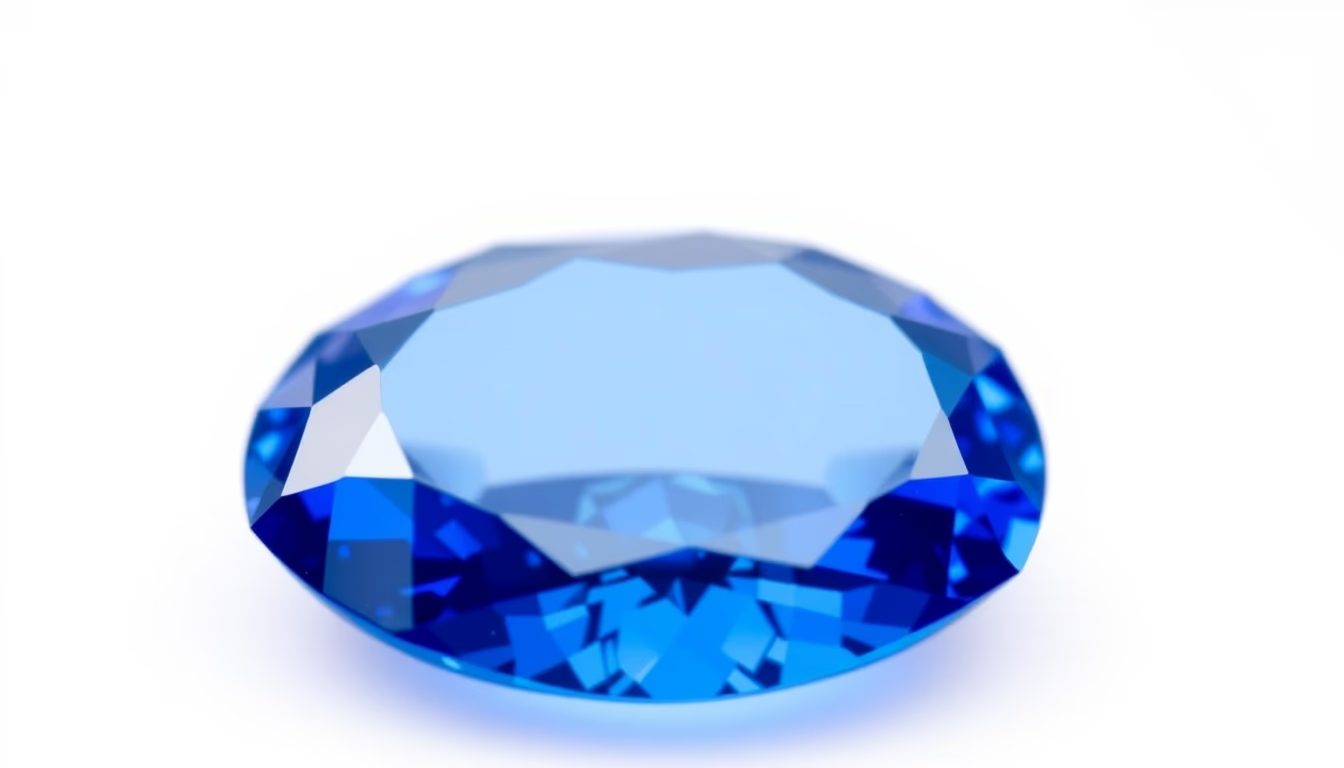
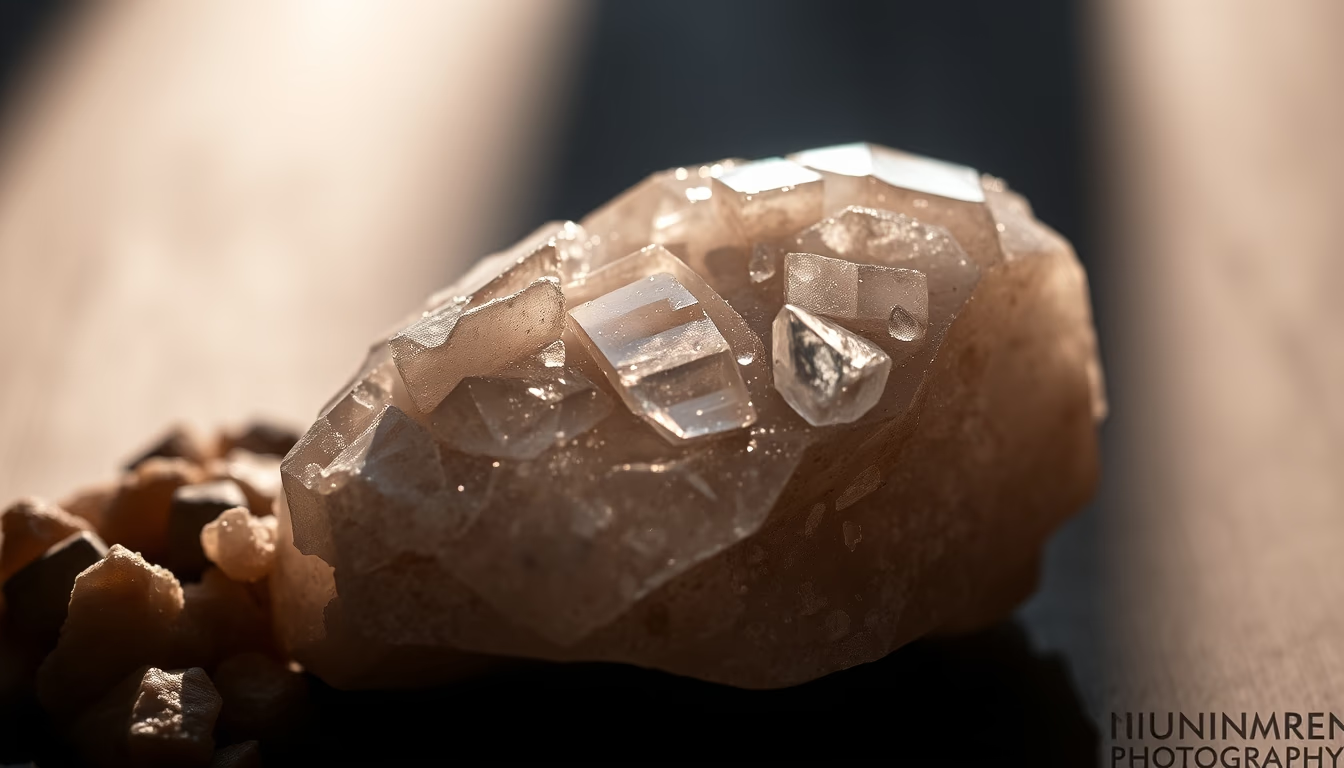
Turquoise polished
1344×768 · AVIF · CC BY 4.0
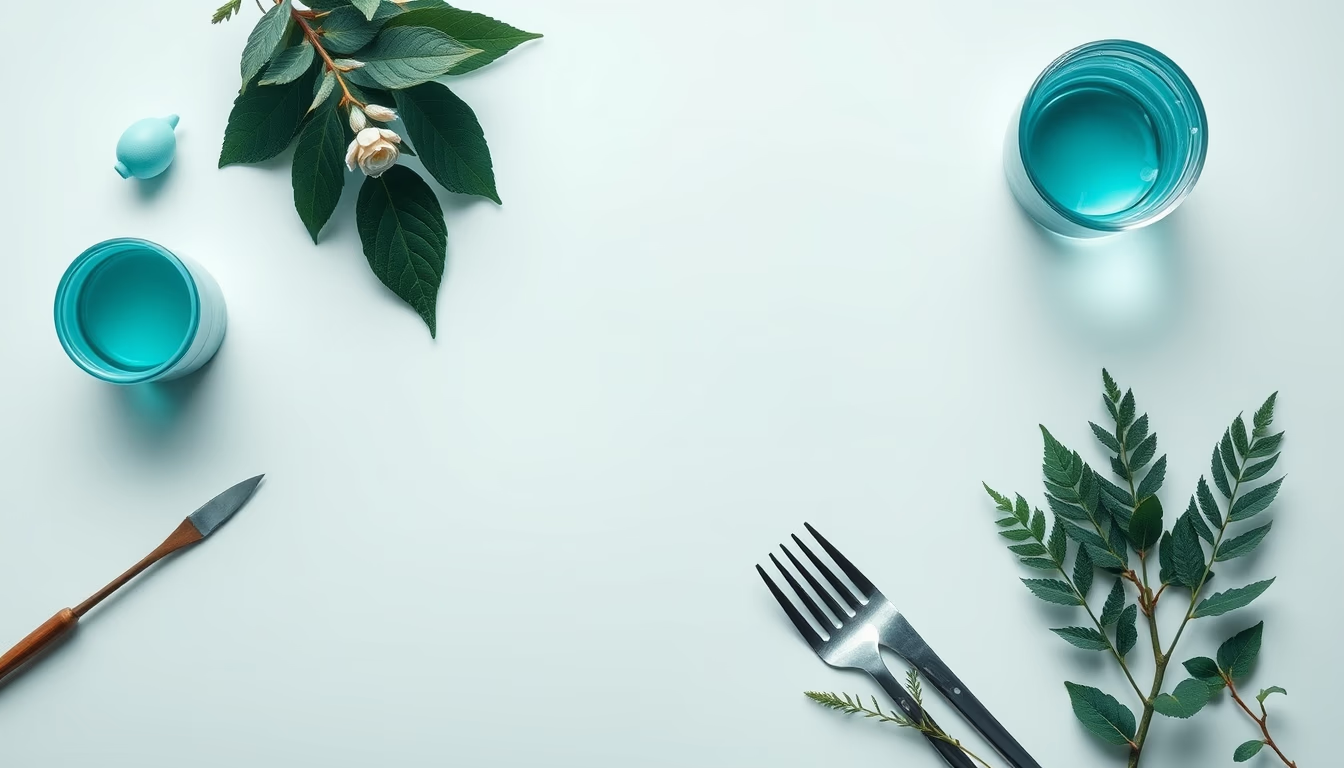
Polished turquoise is a coveted gemstone prized for its sky-blue color, widely used in jewelry and decorative objects since ancient times.
About this subject
Turquoise is a hydrated copper aluminum phosphate mineral, whose characteristic blue color varies from sky blue to greenish-blue depending on the copper concentration and the presence of impurities such as iron. It is an opaque gemstone with a Mohs hardness of 5 to 6, and often features dark veins (matrix) of host rock, which can be limonite, sandstone, or other minerals.
Historically, turquoise was one of the first gemstones to be mined and worked. Ancient Egyptians used it in funerary masks and jewelry over 5,000 years ago; Persians considered it a symbol of protection against death; and Native Americans employed it in amulets and spiritual rituals. In Brazil, turquoise is found mainly in the states of Minas Gerais, Bahia, and Goiás, in deposits associated with sedimentary rocks and hydrothermal veins.
Being a porous gemstone, turquoise requires special care: it should avoid contact with chemicals, perfumes, and intense heat, which can alter its color or dry it out. Many commercial pieces undergo stabilization processes (resin impregnation) to increase durability and stain resistance. Natural, untreated turquoise is rare and more valuable.
The gem is traditionally associated with December as a birthstone, and is believed to bring good luck, protection, and balance. In jewelry, it is cut as cabochon or into polished shapes for rings, necklaces, and bracelets. Its unique beauty and millennia-old history make turquoise one of the most appreciated gemstones worldwide.
Frequently Asked Questions
Where does turquoise come from?
Turquoise forms in zones of hydrothermal alteration and weathering of aluminum- and phosphate-rich rocks in arid climates. Its main historical sources are Iran (ancient Persia), the southwestern United States (Arizona, Nevada), and China. In Brazil, it occurs in Minas Gerais, Bahia, and Goiás.
How to care for turquoise jewelry?
Avoid exposing turquoise to chemicals, perfumes, creams, and excessive heat. Clean with a soft cloth slightly dampened with water and dry immediately. Store separately to prevent scratches. Stabilized turquoise jewelry is more resistant but still requires care.
Is turquoise considered a precious stone?
Yes, turquoise is classified as a semi-precious gemstone (or fine stone), although high-quality specimens with intense color can reach high values, comparable to precious stones. It is one of the oldest gemstones used in jewelry.
Direct URL
https://pub-c7d6a6ea828543ac903a74a341ccb2e1.r2.dev/imagens/turquoise-polished-isometric-flat-lay-p11.avifHow to credit
Include a visible link back to UtilizAí. Copy one of the snippets below:
<a href="https://xn--utiliza-eza.com/en/midia/imagens/turquoise-polished-isometric-flat-lay-p11">Turquoise polished</a> by <a href="https://xn--utiliza-eza.com">UtilizAí</a>, licensed under <a href="https://creativecommons.org/licenses/by/4.0/">CC BY 4.0</a>.
[Turquoise polished](https://xn--utiliza-eza.com/en/midia/imagens/turquoise-polished-isometric-flat-lay-p11) by [UtilizAí](https://xn--utiliza-eza.com), CC BY 4.0
License: CC-BY-4.0