Turkish tea hourglass
1344×768 · AVIF · CC BY 4.0

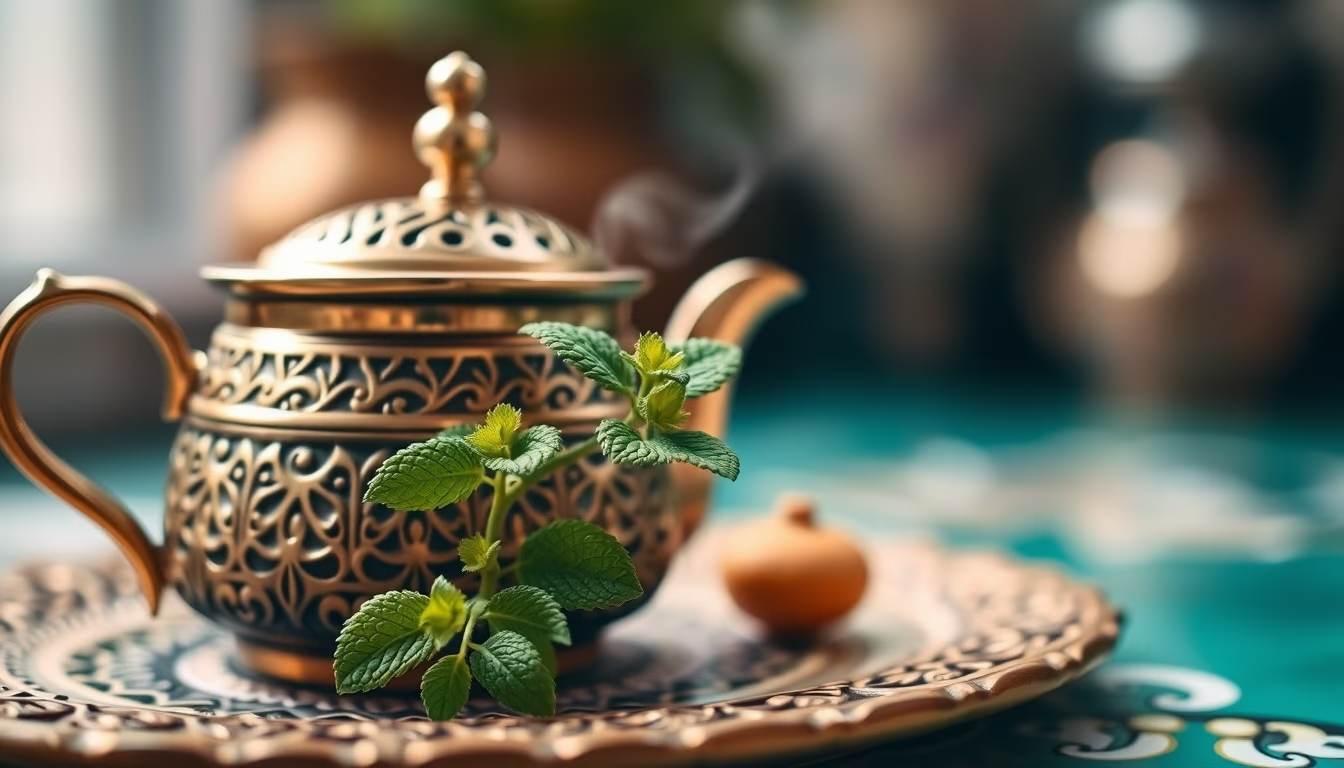
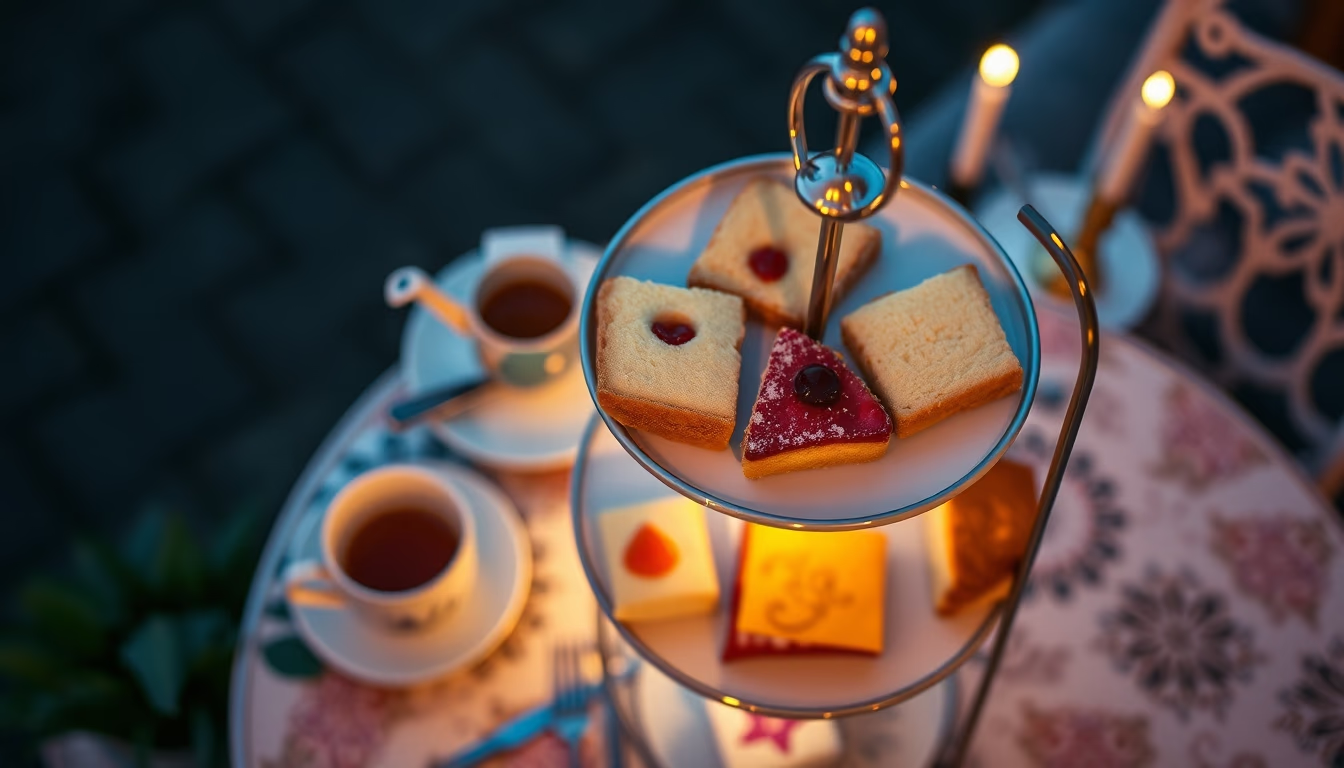
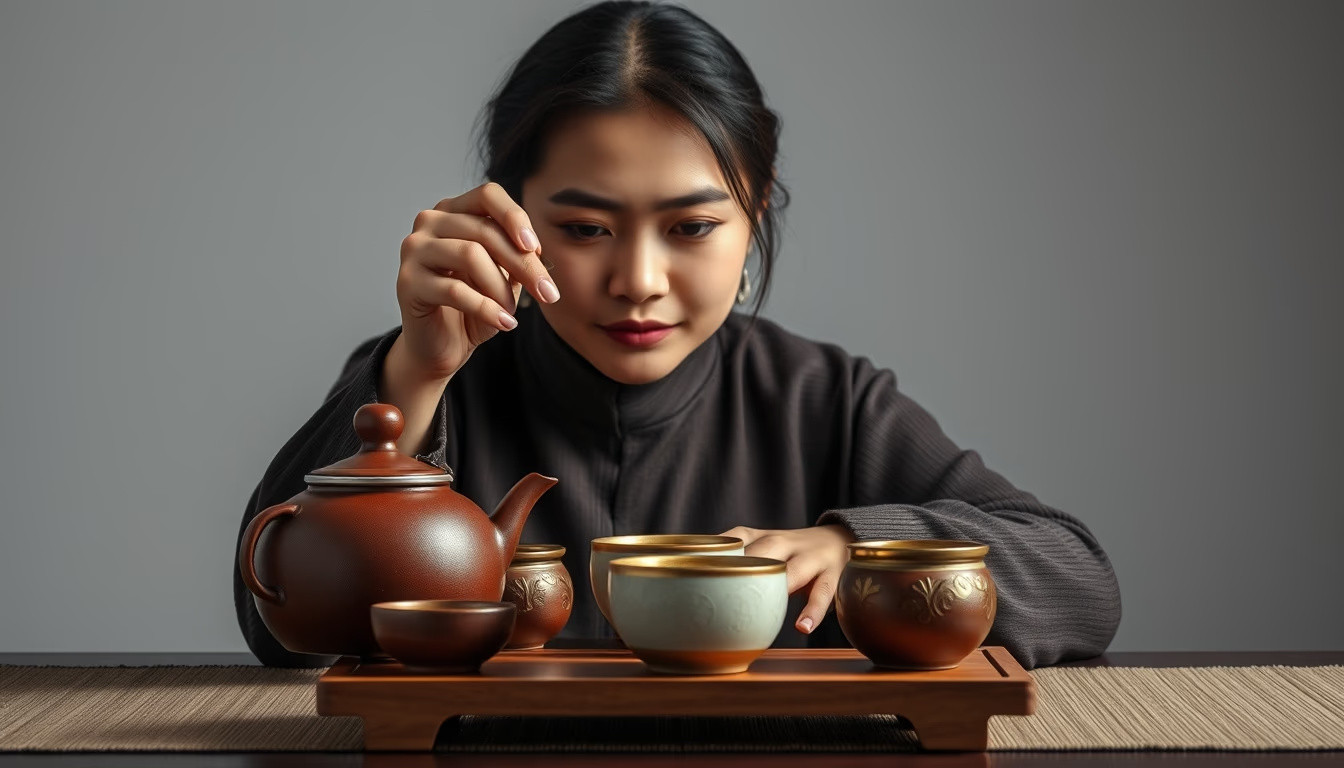
The Turkish tea hourglass symbolizes the precision and ritual of preparing çay, a beverage central to Turkish culture and hospitality.
About this subject
Turkish tea, known as çay, is far more than a beverage: it is a symbol of hospitality and social bonding. Traditionally prepared in a double teapot called çaydanlık, the process involves boiling water in the lower pot and steeping loose tea leaves in the upper pot. The steeping time is crucial, usually between 10 to 15 minutes, and is often measured by an hourglass to ensure optimal flavor. This ritual reflects the importance of patience and attention to detail in Turkish culture.
Served in small, tulip-shaped glasses, çay is consumed throughout the day, from breakfast to evening gatherings. The glass shape allows one to appreciate the ruby color of the tea while maintaining the ideal temperature. It is estimated that each Turk drinks about 3 to 4 cups per day, and offering tea is a gesture of welcome in social settings. Tea houses, or çay bahçesi, are popular meeting spots for playing board games, reading newspapers, and discussing politics.
Turkey's tea culture dates back to the late 19th century, when cultivation was promoted as an alternative to coffee. After World War I, production expanded in the Black Sea region, especially in Rize, which now accounts for over 80% of national output. Unlike common black tea, Turkish çay is stronger and more full-bodied, and traditionally never includes milk. Sugar is added to taste, but milk is never used. This habit distinguishes Turkey from other tea-drinking countries.
Interestingly, the hourglass shape associated with Turkish tea has no proven historical origin but is often used in souvenir shops and décor as a metaphor for the balance between water and leaves. The minimalist image of an hourglass next to a tulip glass evokes the harmony between time and flavor, essential for appreciating authentic Turkish çay.
Frequently Asked Questions
How is traditional Turkish tea prepared?
Turkish tea is made using a double teapot called çaydanlık. The lower pot boils water while the upper holds loose tea leaves. After steeping for 10 to 15 minutes, a small amount of concentrated tea is poured into a glass and topped with hot water to taste.
Why are Turkish tea glasses shaped like tulips?
The tulip shape allows the vibrant color of the tea to be seen and helps keep the tea at an ideal temperature. The small size also encourages sipping hot tea in small amounts, fostering conversation and frequent refills.
How important is tea in Turkish culture?
Tea is a symbol of hospitality and social bonding. It is offered to guests, consumed in tea houses, and drunk throughout the day. Turkey is one of the highest per capita tea consumers in the world, averaging 3 to 4 cups per day per person.
Direct URL
https://pub-c7d6a6ea828543ac903a74a341ccb2e1.r2.dev/imagens/turkish-tea-hourglass-minimalist-composition-fresh17.avifHow to credit
Include a visible link back to UtilizAí. Copy one of the snippets below:
<a href="https://xn--utiliza-eza.com/en/midia/imagens/turkish-tea-hourglass-minimalist-composition-fresh17">Turkish tea hourglass</a> by <a href="https://xn--utiliza-eza.com">UtilizAí</a>, licensed under <a href="https://creativecommons.org/licenses/by/4.0/">CC BY 4.0</a>.
[Turkish tea hourglass](https://xn--utiliza-eza.com/en/midia/imagens/turkish-tea-hourglass-minimalist-composition-fresh17) by [UtilizAí](https://xn--utiliza-eza.com), CC BY 4.0
License: CC-BY-4.0