Tulip mixed colors vase
1344×768 · AVIF · CC BY 4.0
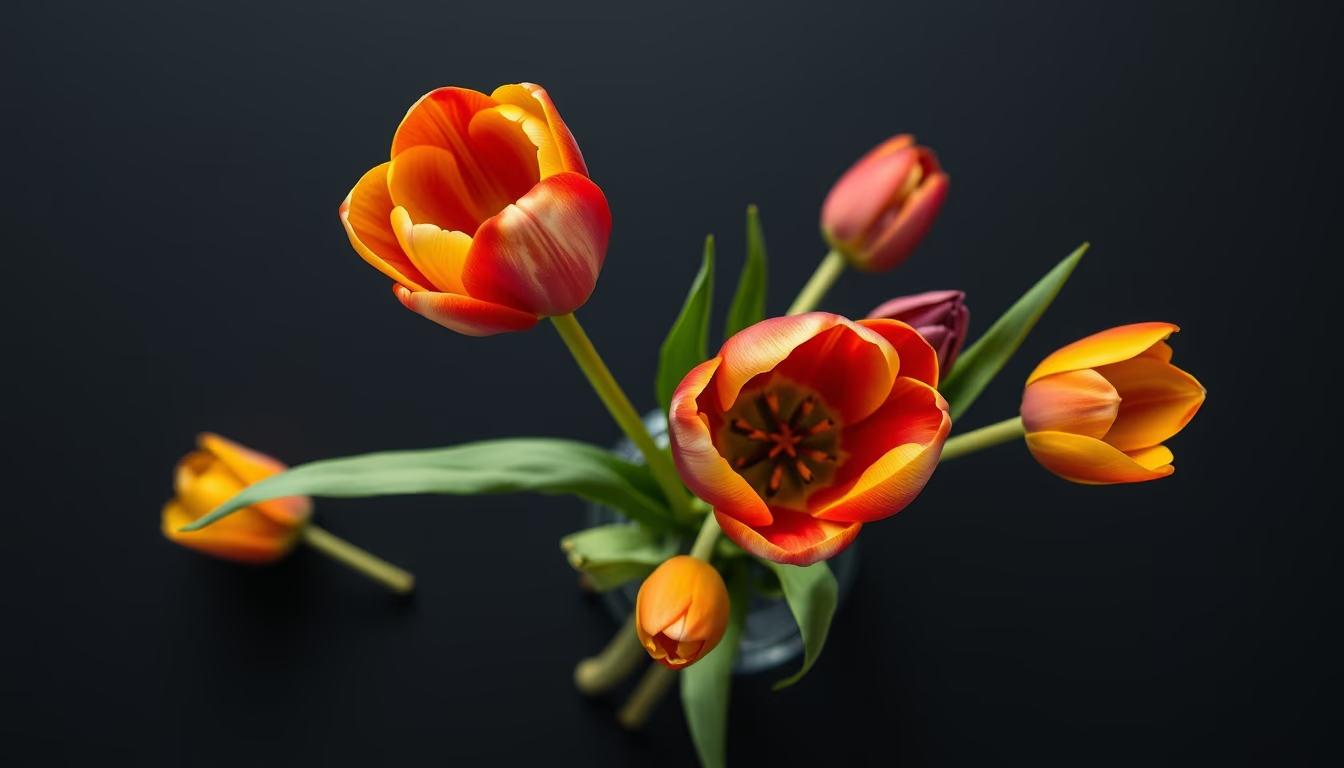
Mixed-color tulips in a vase: history, varieties, and cultural significance of the Netherlands' iconic flower.
About this subject
Tulips are bulbous flowers from the Liliaceae family, native to Central Asia, but they became a symbol of the Netherlands. Their introduction to Europe occurred in the 16th century when botanist Carolus Clusius planted them in the Leiden Botanical Garden. Popularity skyrocketed during the 'Tulip Mania' (1634-1637), considered the first speculative bubble in history, when rare bulbs could cost as much as a house. Today, the Netherlands produces about 4.3 billion tulip bulbs annually, being the world's largest exporter. The vibrant colors, from white to deep purple, including yellow, orange, and red, are due to pigments like anthocyanins and carotenoids. Interestingly, the stripes and flames in some historic varieties, such as 'Semper Augustus', were caused by a virus transmitted by aphids, now controlled to prevent disease.
Tulip cultivation requires well-drained soil and cold winters for dormancy break. In Brazil, production is limited to high-altitude regions like Campos do Jordão (SP) and the Serra Gaúcha, where low temperatures allow flowering. Tulips are propagated by bulbs and bloom in spring; there are over 3,000 registered varieties divided into 15 groups, such as single late tulips, parrot tulips, and fringed tulips. The beauty of mixed-color tulips in vases is appreciated in floral arrangements, symbolizing perfect love (red), joy (yellow), and forgiveness (white).
Besides ornamental value, tulips have culinary uses: petals are edible and can be used in salads or crystallized. During World War II, tulip bulbs were consumed as onion substitutes in the Netherlands. The flower also inspires festivals, such as the Canadian Tulip Festival in Ottawa, celebrating Canada's gift of bulbs after liberating the Netherlands. Worldwide, tulips continue to enchant with their color diversity, easy cultivation, and fascinating history.
Frequently Asked Questions
What is the origin of tulips?
Tulips originate from Central Asia, especially the Tian Shan mountains between China, Kazakhstan, and Kyrgyzstan. They were brought to Europe in the 16th century and became a symbol of the Netherlands.
How many varieties of tulips exist?
There are over 3,000 registered varieties, divided into 15 groups, including single early, single late, parrot, fringed, viridiflora, and others.
How to grow tulips in Brazil?
Cultivation is possible in high-altitude regions with cold winters, like Campos do Jordão (SP) and the Serra Gaúcha. Bulbs need a cold period to bloom, which can be simulated in a refrigerator (5-8°C for 12-16 weeks).
Direct URL
https://pub-c7d6a6ea828543ac903a74a341ccb2e1.r2.dev/imagens/tulip-mixed-colors-vase-isometric-flat-lay-fresh17.avifHow to credit
Include a visible link back to UtilizAí. Copy one of the snippets below:
<a href="https://xn--utiliza-eza.com/en/midia/imagens/tulip-mixed-colors-vase-isometric-flat-lay-fresh17">Tulip mixed colors vase</a> by <a href="https://xn--utiliza-eza.com">UtilizAí</a>, licensed under <a href="https://creativecommons.org/licenses/by/4.0/">CC BY 4.0</a>.
[Tulip mixed colors vase](https://xn--utiliza-eza.com/en/midia/imagens/tulip-mixed-colors-vase-isometric-flat-lay-fresh17) by [UtilizAí](https://xn--utiliza-eza.com), CC BY 4.0
License: CC-BY-4.0