Trunk monogrammed
1344×768 · AVIF · CC BY 4.0
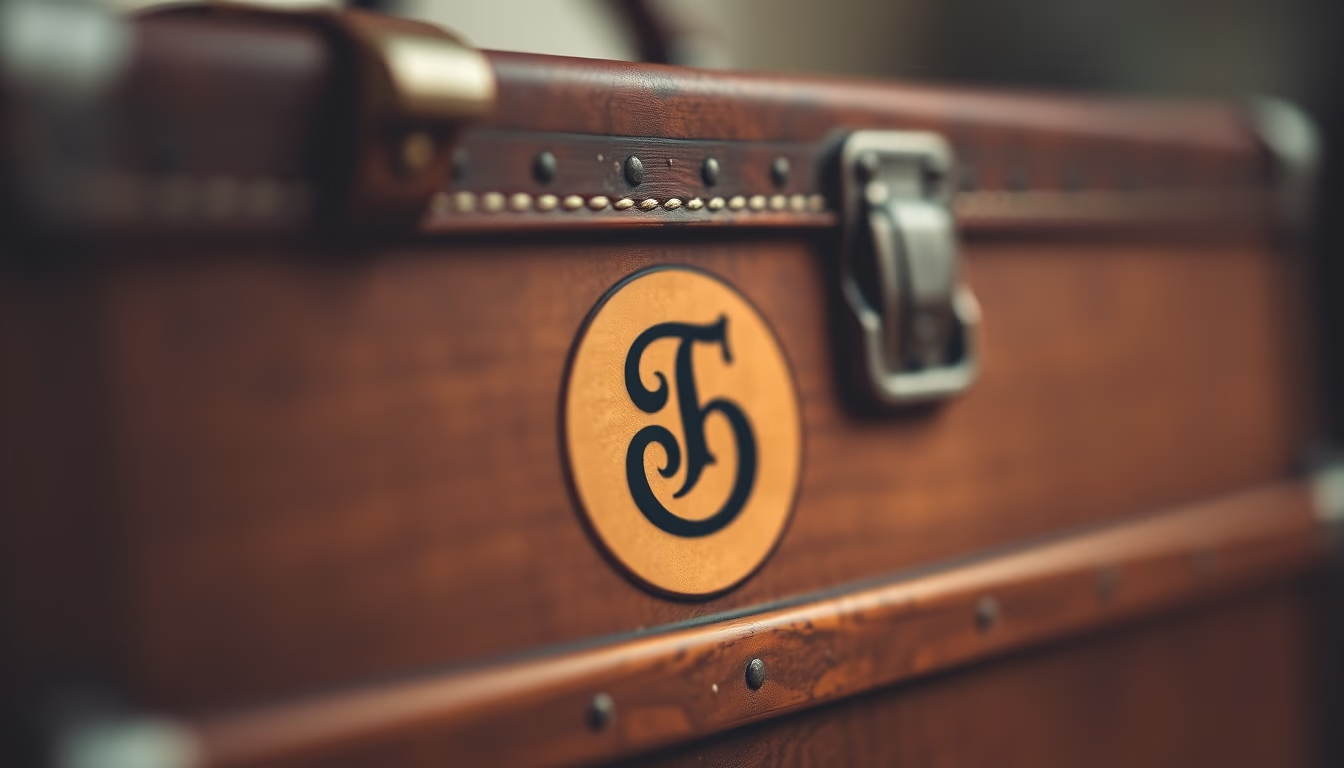
Vintage monogrammed trunk, highlighting the craftsmanship and tradition of 19th and 20th century travelers.
About this subject
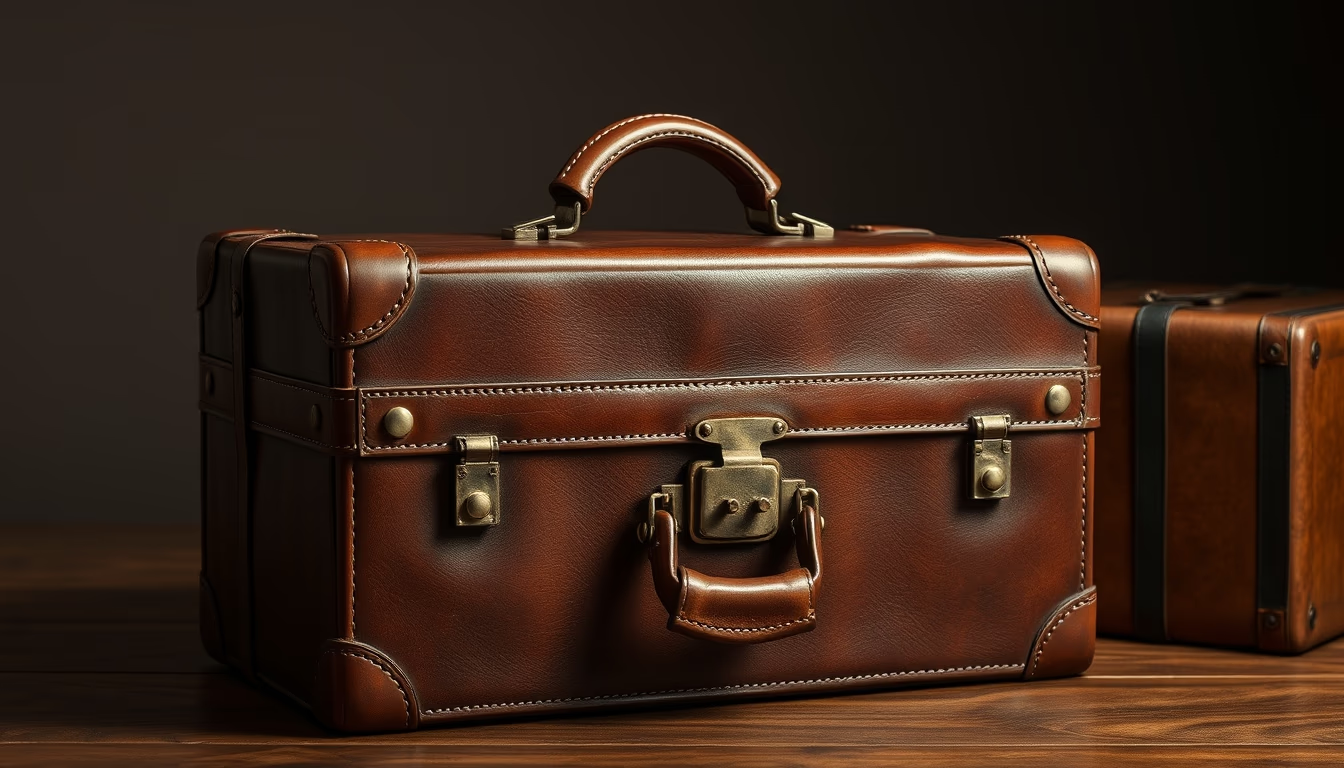
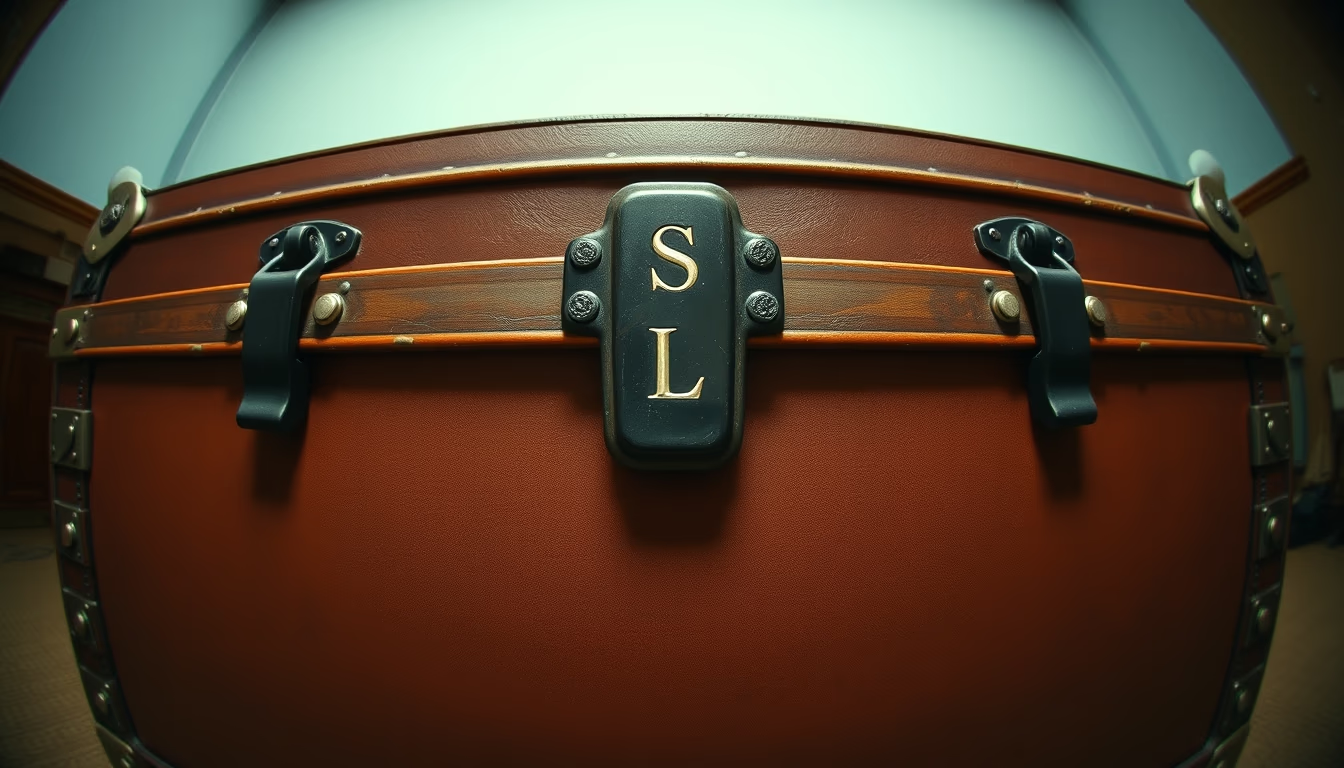
Monogrammed trunks were essential items for affluent travelers between the 19th and 20th centuries. The monogram, typically consisting of the owner's initials, was hand-painted or engraved in metal, affixed to the lid or side of the trunk. This practice enabled quick identification at train stations, ships, and hotels, while also conveying social status. Brands such as Louis Vuitton, Goyard, and Moynat popularized the use of waterproof canvas and leather, combining durability with elegance.
Each trunk was custom-made, with internal compartments adapted to the traveler's needs. Artisans used hardwood, copper rivets, and complex locks. The tilt-shift effect applied to the photograph creates a miniature illusion that highlights the monogram's details, but the actual object is sizable, typically ranging from 90 cm to 1.5 m in length. Many trunks survive today in antique shops or private collections, restored with techniques that preserve the original patina.
Beyond practicality, monogrammed trunks carry family histories. During the European Grand Tour, young aristocrats transported clothing, books, and artworks. In Brazil, immigrants brought trunks with monograms of traditional families. Today, these objects are coveted by decorators and collectors, fetching thousands of reais at auctions. The tilt-shift technique, popularized by contemporary photographers, offers a playful perspective without distorting the trunk's historical authenticity.
Frequently Asked Questions
What does a monogrammed trunk mean?
A monogrammed trunk bears the owner's initials painted or engraved, serving for personal identification during long journeys, especially on ships and trains, and also as a status symbol.
What is the importance of tilt-shift in this image?
The tilt-shift effect creates a false depth of field that makes the trunk appear as a miniature model, but the focus remains on the monogram and craft details, without distorting historical authenticity.
How to identify a genuine antique trunk?
Check for manufacturer marks like Louis Vuitton or Goyard, materials such as waxed canvas and leather, brass locks, and signs of natural wear. Hand-painted or metal monograms also indicate authenticity.
Direct URL
https://pub-c7d6a6ea828543ac903a74a341ccb2e1.r2.dev/imagens/trunk-monogrammed-tilt-shift-miniature-fresh18.avifHow to credit
Include a visible link back to UtilizAí. Copy one of the snippets below:
<a href="https://xn--utiliza-eza.com/en/midia/imagens/trunk-monogrammed-tilt-shift-miniature-fresh18">Trunk monogrammed</a> by <a href="https://xn--utiliza-eza.com">UtilizAí</a>, licensed under <a href="https://creativecommons.org/licenses/by/4.0/">CC BY 4.0</a>.
[Trunk monogrammed](https://xn--utiliza-eza.com/en/midia/imagens/trunk-monogrammed-tilt-shift-miniature-fresh18) by [UtilizAí](https://xn--utiliza-eza.com), CC BY 4.0
License: CC-BY-4.0