Trunk monogrammed
1344×768 · AVIF · CC BY 4.0
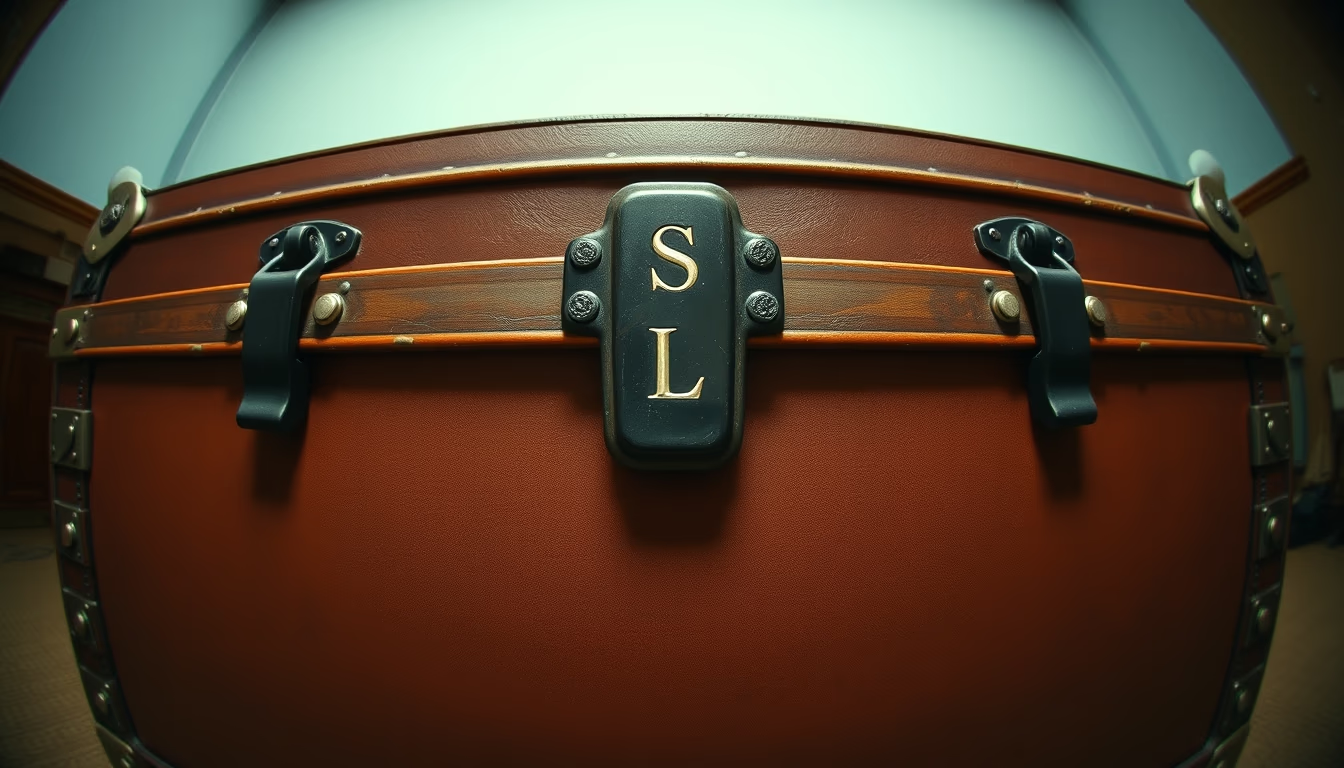
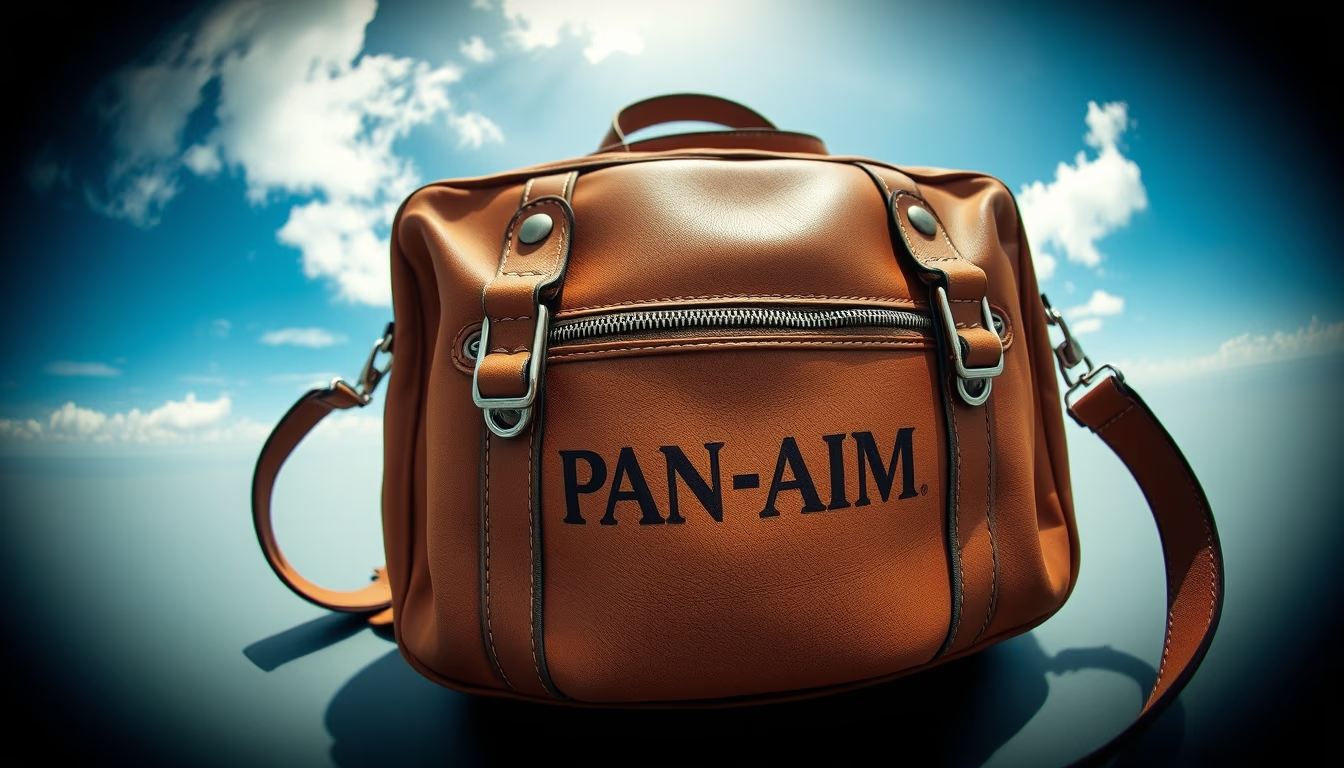
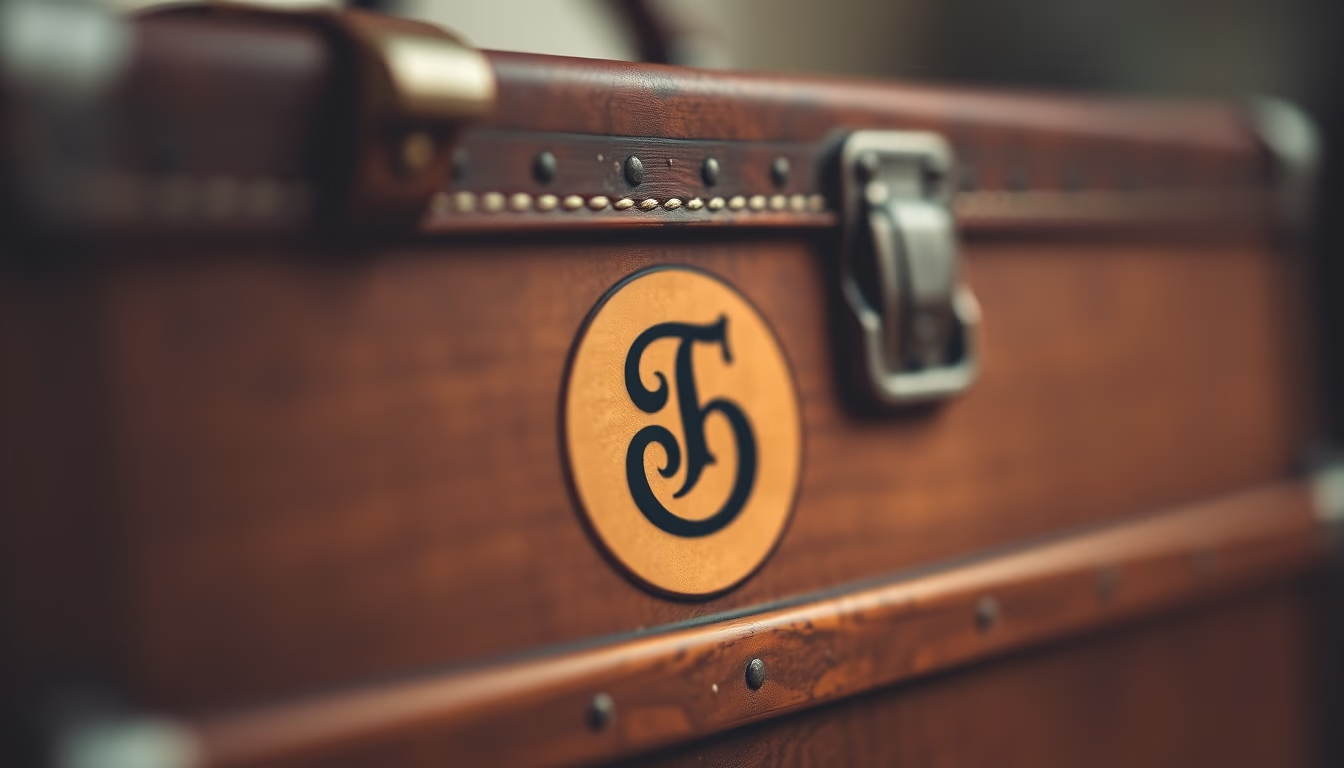
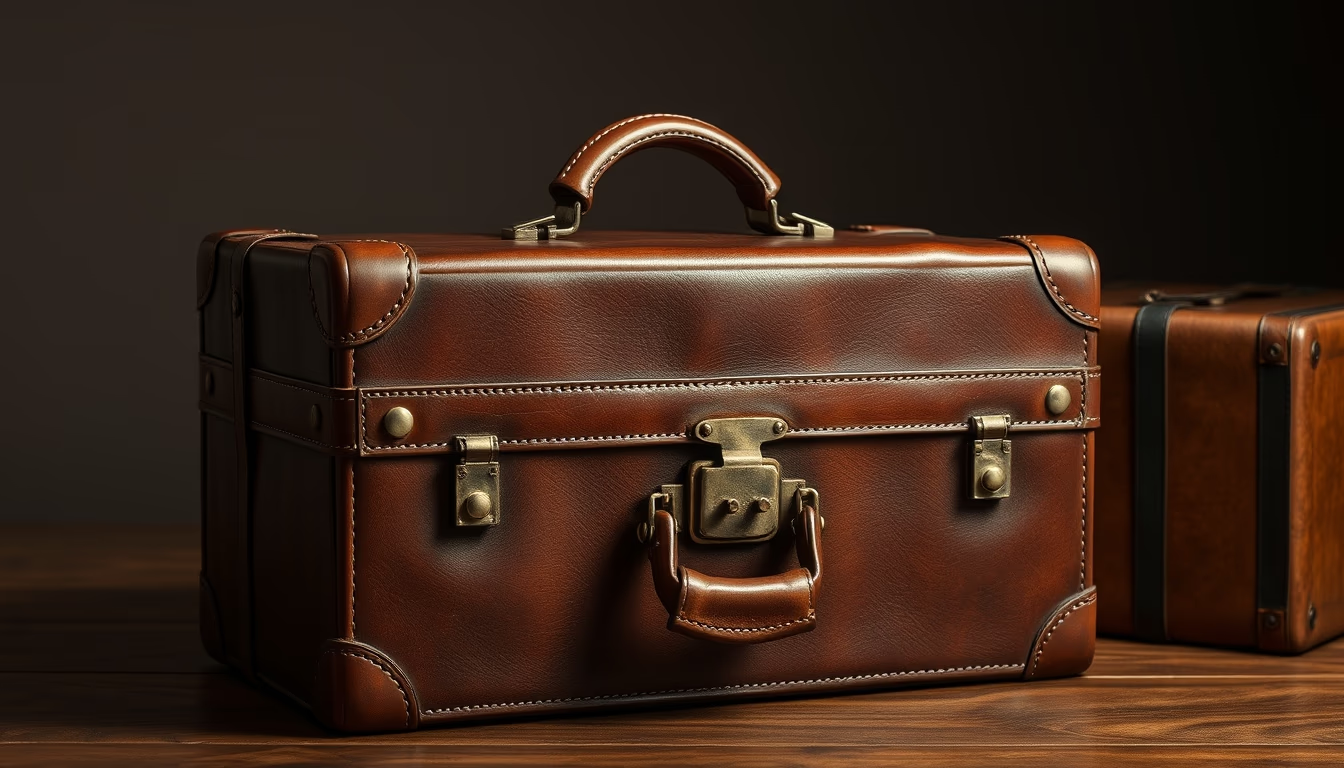
Antique trunk with personalized monogram, a symbol of elegant travel from the 19th and 20th centuries, revealing the owner's history.
About this subject
Monogrammed trunks were essential during the golden age of transatlantic travel, from the 1850s to the 1930s. Handcrafted from fine woods like mahogany or pine, covered with waxed canvas or leather, these trunks protected the belongings of wealthy families during long ocean liner voyages. The monogram, usually hand-painted or embossed on the lid, indicated the owner's initials, serving as a permanent luggage tag and a status symbol. Renowned brands such as Louis Vuitton and Goyard made monograms part of their visual identity, but trunks from smaller manufacturers also displayed personalized letters with great care.
The origin of the trunk monogram dates back to the 19th century, when travel became more common among the European and American elite. Each trunk was custom-made, with fabric-lined interior compartments and dividers for clothes, hats, and personal items. The monogram not only identified the owner but also helped prevent loss in busy ports. Over time, trunks received painted decorations, carvings, and brass fittings, becoming true utilitarian works of art.
Today, monogrammed trunks are collector's items and vintage décor pieces. They tell stories of anonymous travelers and reflect the evolution of furniture and transportation design. Well-preserved examples can fetch high prices at auctions, especially if the monogram belonged to historical figures or if the trunk comes from a traditional family. Careful restoration preserves these material records of an era when travel was a significant event and luggage was as elegant as the destination.
Frequently Asked Questions
Why did antique trunks have monograms?
Monograms served as owner identification before modern luggage tags. They prevented loss in busy ports and stations while indicating social status and family lineage, often hand-painted or engraved using traditional techniques.
How can you tell if a monogrammed trunk is authentic?
Check material quality: solid wood, brass hardware, and original fabric lining. The monogram should be hand-painted or engraved without digital printing flaws. Manufacturer labels inside and natural wear marks also confirm authenticity.
What is the historical value of a travel trunk with a monogram?
These trunks are testimonies to the age of ocean liners and elite tourism. They document travel routes, clothing habits, and woodworking and design techniques. The monogram, especially from a known figure or historical family, adds documentary and sentimental value.
Direct URL
https://pub-c7d6a6ea828543ac903a74a341ccb2e1.r2.dev/imagens/trunk-monogrammed-fish-eye-wide-angle-fresh17.avifHow to credit
Include a visible link back to UtilizAí. Copy one of the snippets below:
<a href="https://xn--utiliza-eza.com/en/midia/imagens/trunk-monogrammed-fish-eye-wide-angle-fresh17">Trunk monogrammed</a> by <a href="https://xn--utiliza-eza.com">UtilizAí</a>, licensed under <a href="https://creativecommons.org/licenses/by/4.0/">CC BY 4.0</a>.
[Trunk monogrammed](https://xn--utiliza-eza.com/en/midia/imagens/trunk-monogrammed-fish-eye-wide-angle-fresh17) by [UtilizAí](https://xn--utiliza-eza.com), CC BY 4.0
License: CC-BY-4.0