Tropical island aerial drone
1344×768 · AVIF · CC BY 4.0
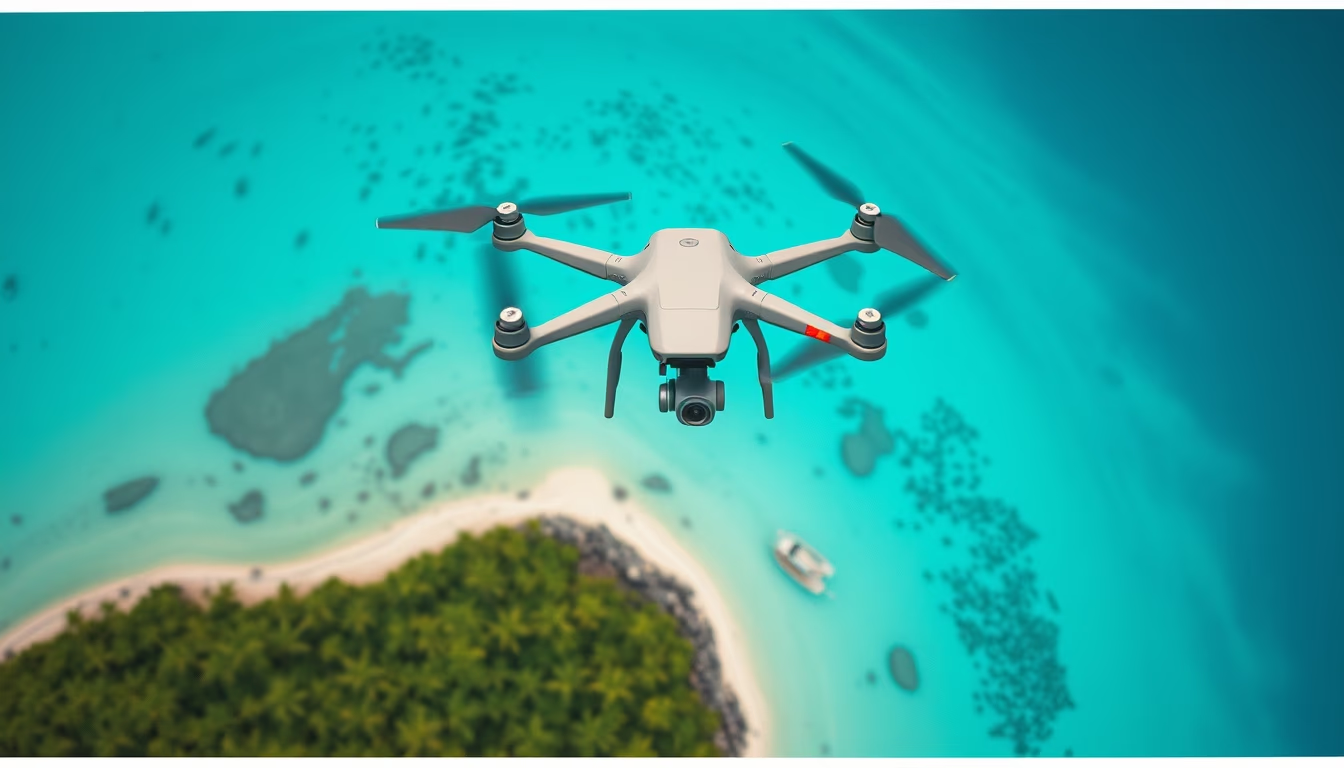
Tropical islands are unique ecosystems, featuring white sandy beaches, dense forests, and coral reefs that harbor thousands of marine species.
About this subject
Tropical islands are landforms located between the Tropic of Cancer and the Tropic of Capricorn, characterized by warm and humid climates year-round. Iconic examples include Fernando de Noronha in Brazil, the Maldives in the Indian Ocean, and the Hawaiian archipelago in the Pacific. Many of these islands are volcanic or formed by coral reefs, such as atolls, which slowly grow over millennia.
Ecologically, tropical islands harbor extraordinary biodiversity, with endemic species that evolved in isolation. The surrounding coral reefs are considered the rainforests of the sea, supporting roughly 25% of all marine life. However, these ecosystems face increasing threats from climate change, causing coral bleaching, and sea-level rise, which may submerge low-lying islands like Tuvalu and Kiribati.
Economically, tourism is the main activity on many tropical islands, generating billions of dollars annually. Destinations such as Cancún, Bali, and the Greek Islands attract visitors seeking paradisiacal beaches and diving. Local cultures, often of Polynesian, Caribbean, or Indonesian influence, enrich the experience with unique musical traditions, dances, and cuisines.
With advancing technology, drones are used to map remote islands, monitor deforestation, and study coral reefs. Aerial photography of tropical islands, especially with a lo-fi disposable camera aesthetic, became a visual trend in 2026, blending nostalgia with pristine natural beauty.
Frequently Asked Questions
What are the main threats to tropical islands?
The main threats include sea-level rise due to global warming, coral bleaching from increased ocean temperatures, and overtourism that degrades ecosystems and natural resources.
How do tropical islands form?
Tropical islands can form through volcanic activity, as in Hawaii, or by coral growth on submerged mountains, creating atolls. The process takes millions of years and involves subsidence and erosion.
Why are coral reefs important for tropical islands?
Coral reefs protect the coast from erosion and waves, harbor immense marine biodiversity, sustain local fisheries, and are major tourist attractions for diving.
Direct URL
https://pub-c7d6a6ea828543ac903a74a341ccb2e1.r2.dev/imagens/tropical-island-aerial-drone-lo-fi-disposable-camera-p6.avifHow to credit
Include a visible link back to UtilizAí. Copy one of the snippets below:
<a href="https://xn--utiliza-eza.com/en/midia/imagens/tropical-island-aerial-drone-lo-fi-disposable-camera-p6">Tropical island aerial drone</a> by <a href="https://xn--utiliza-eza.com">UtilizAí</a>, licensed under <a href="https://creativecommons.org/licenses/by/4.0/">CC BY 4.0</a>.
[Tropical island aerial drone](https://xn--utiliza-eza.com/en/midia/imagens/tropical-island-aerial-drone-lo-fi-disposable-camera-p6) by [UtilizAí](https://xn--utiliza-eza.com), CC BY 4.0
License: CC-BY-4.0