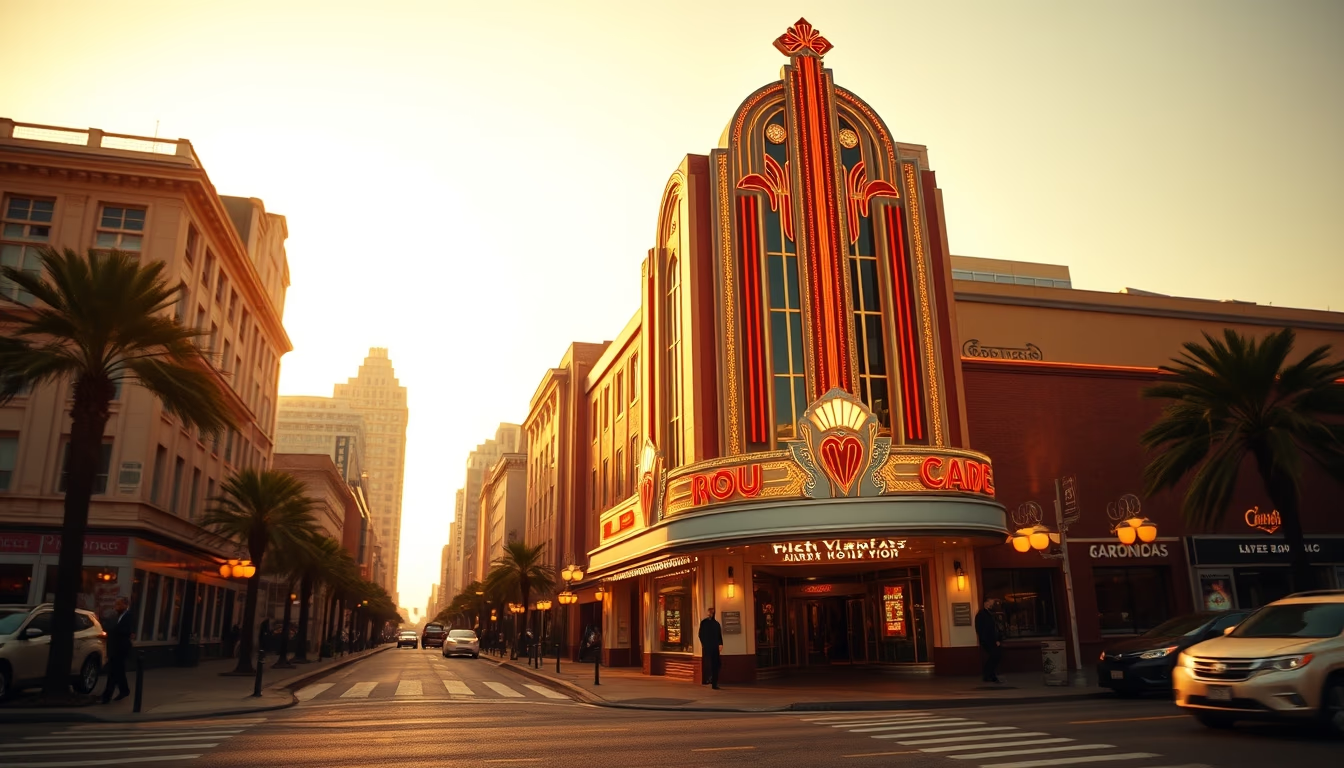
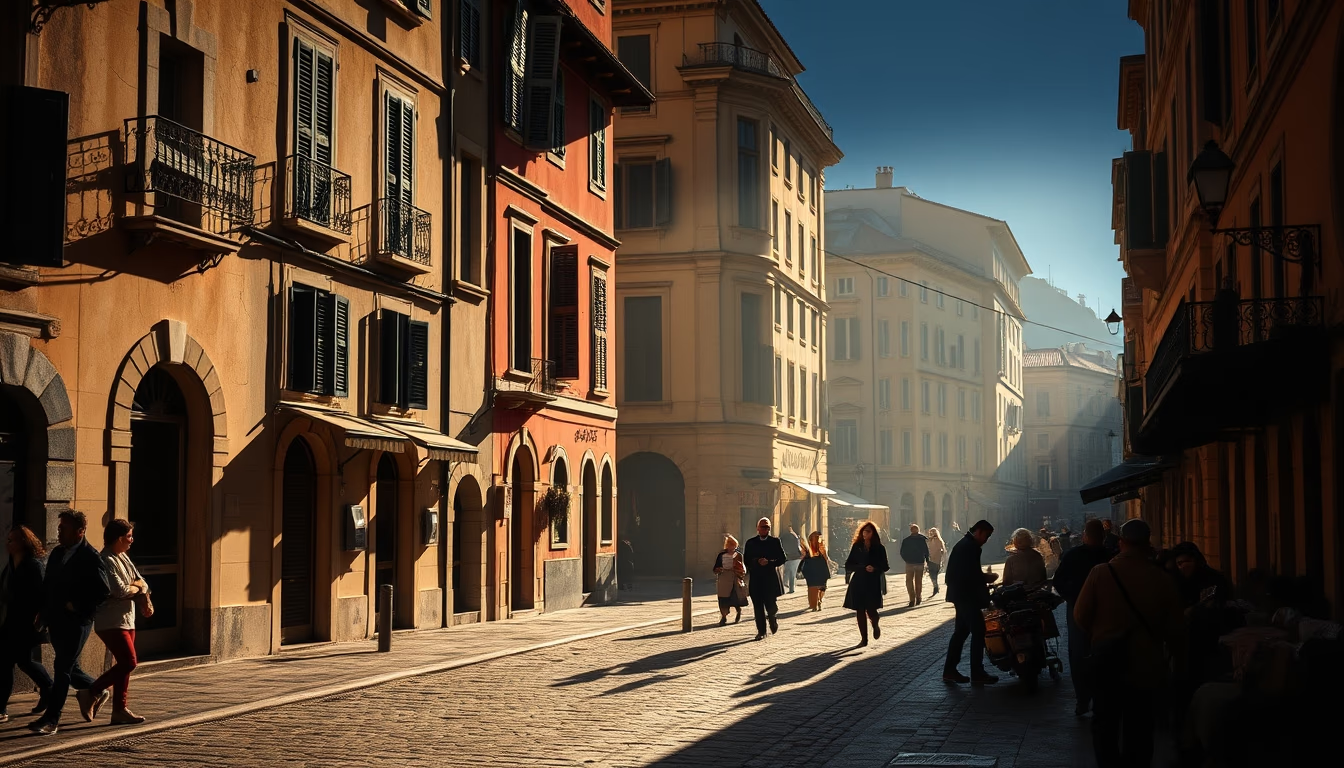
Travel postcards europe
1344×768 · AVIF · CC BY 4.0
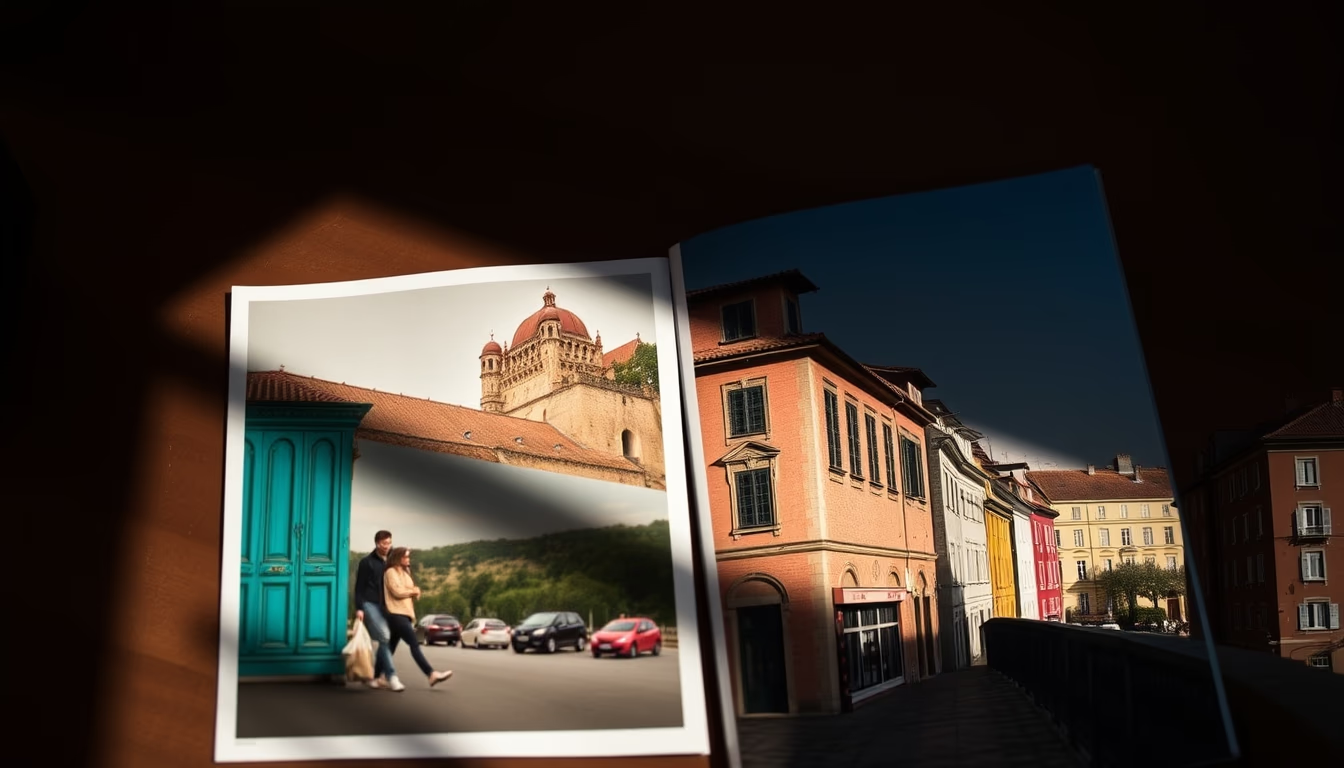
European travel postcards are iconic witnesses to the history of tourism and postal art, with origins dating back to the 19th century.
About this subject
European travel postcards officially appeared in 1869 when Austria-Hungary issued the world's first postcard, the Correspondence Card. They quickly spread across the continent, becoming a popular medium for communication and travel records. During the Belle Époque, major European cities like Paris, London, and Rome produced thousands of postcards featuring landmarks, streets, and picturesque scenes, often hand-colored. These cards served not only as souvenirs but also as tourist propaganda tools, helping to shape the image of destinations such as the French Riviera and the Swiss Alps.
The cultural importance of European postcards extends beyond tourism. They document urban changes, fashions, transportation, and even historical events like World Fairs and the two World Wars. Collectors and historians use these images to study the evolution of landscapes and society. In the digital age, physical postcards retain nostalgic charm, often sold at antique fairs and specialized shops. The variety of themes is immense: from medieval castles in Germany to Mediterranean beaches, including folk scenes and artworks.
Interestingly, some of the rarest and most valuable postcards in the world are European. For instance, an 1870 postcard of the unfinished Eiffel Tower can be worth thousands of euros. Postcard collecting, known as deltiology, has strong traditions in countries like France, the United Kingdom, and Italy, with international clubs and fairs. Despite the decline of traditional mail, European travel postcards continue to be produced and appreciated, keeping alive an art form and memory that spans generations.
Frequently Asked Questions
What is the oldest known European travel postcard?
The oldest is the Correspondence Card issued by Austria-Hungary in 1869, which had a reduced cost and could be sent without an envelope.
What are the most common themes on European postcards?
Themes include historical monuments (like the Eiffel Tower and Colosseum), natural landscapes (Alps, Mediterranean coast), urban scenes, transportation (trains, ships), and cultural aspects (folk costumes, festivals).
How did postcards influence tourism in Europe?
In the 19th and early 20th centuries, postcards acted as visual propaganda for destinations, sparking the desire to travel. They depicted tourist spots in an idealized manner, helping shape the modern tourism industry.
Direct URL
https://pub-c7d6a6ea828543ac903a74a341ccb2e1.r2.dev/imagens/travel-postcards-europe-magazine-editorial-fresh6.avifHow to credit
Include a visible link back to UtilizAí. Copy one of the snippets below:
<a href="https://xn--utiliza-eza.com/en/midia/imagens/travel-postcards-europe-magazine-editorial-fresh6">Travel postcards europe</a> by <a href="https://xn--utiliza-eza.com">UtilizAí</a>, licensed under <a href="https://creativecommons.org/licenses/by/4.0/">CC BY 4.0</a>.
[Travel postcards europe](https://xn--utiliza-eza.com/en/midia/imagens/travel-postcards-europe-magazine-editorial-fresh6) by [UtilizAí](https://xn--utiliza-eza.com), CC BY 4.0
License: CC-BY-4.0