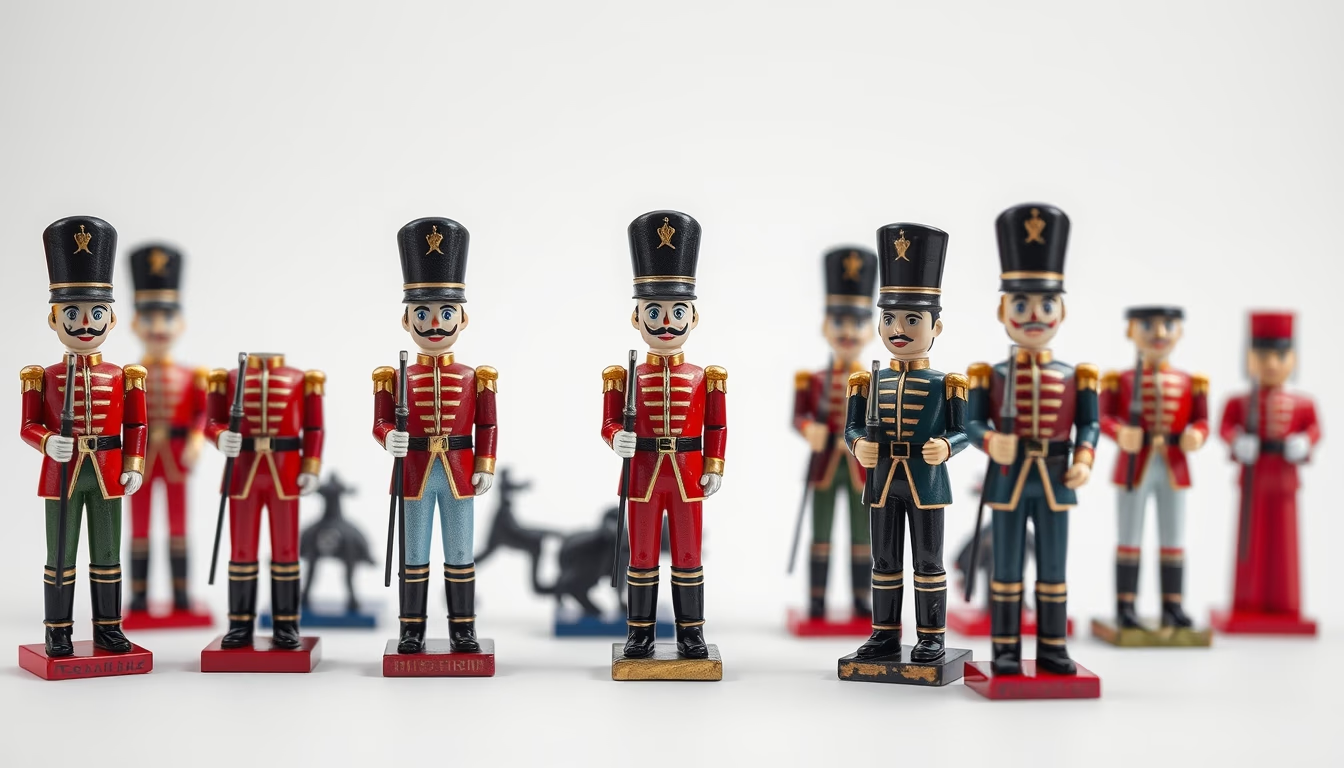
Tin soldier set
1344×768 · AVIF · CC BY 4.0
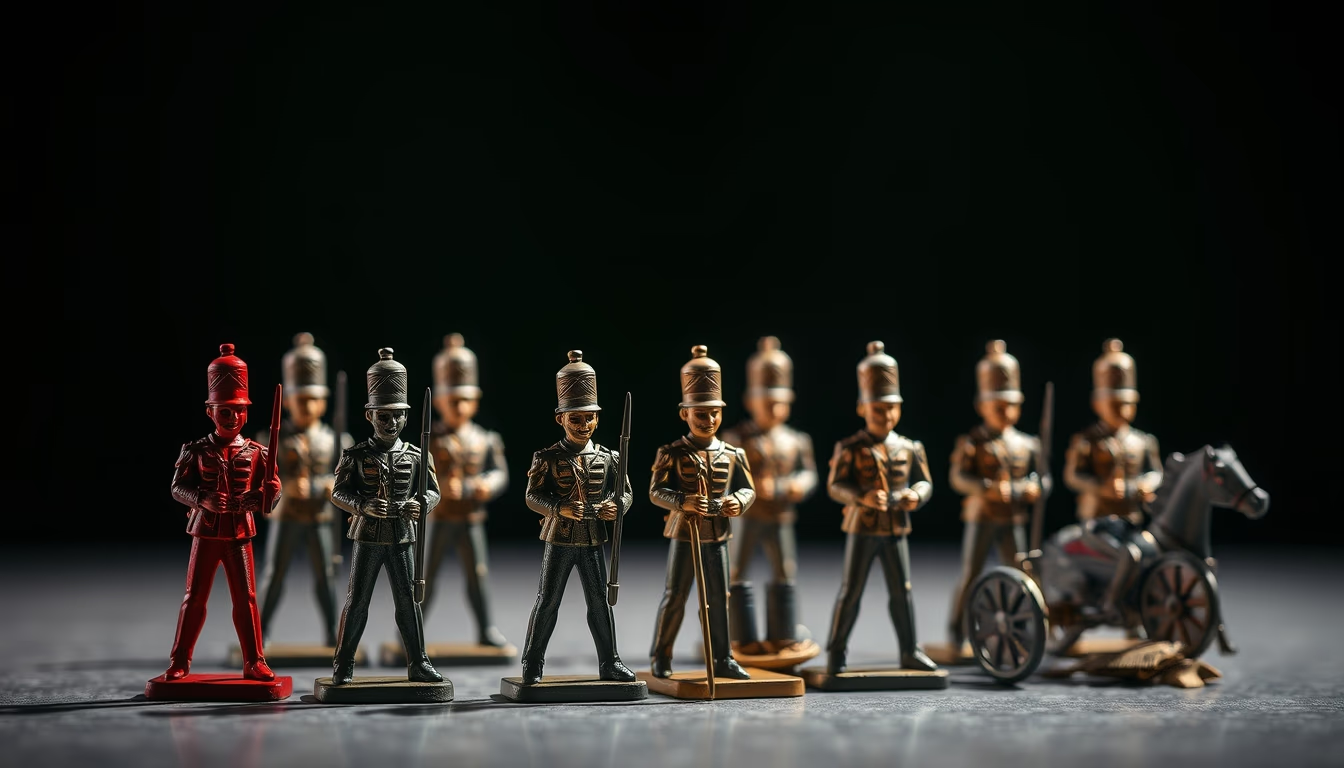
Vintage tin soldier set, collectible pieces dating back to the 18th century representing historical military figures.
About this subject
Tin soldiers, also known as metal toy soldiers, originated in Nuremberg, Germany around 1730. The goldsmith Andreas Hieronymus Knecht began producing tin figures inspired by soldiers, and soon other craftsmen followed. In the 19th century, production became industrialized with companies like Heyde, which became the world's largest manufacturer, producing thousands of different models. The figures were cast in bronze or iron molds and then hand-painted with oil paints. The technique required precision to highlight details of uniforms, weapons, and poses.
Sets of tin soldiers were popular in Europe and the United States as educational toys and collectibles. During the Victorian era, children staged entire battles on tables and carpets, while adults displayed them in cabinets. The tradition of wargaming has roots in these toys. Manufacturers such as Britains (UK) and Elastolin (Germany) dominated the market, introducing series like the "Home Guard" and World War I troops.
Today, antique tin soldiers are valuable collectibles, with rare sets fetching thousands of dollars at auctions. The natural patina of tin and original paint are appreciated features. Current production, although reduced, still exists in small artisan workshops. Beyond their financial value, these items represent the evolution of toys and the memory of world conflicts, studied by historians as material evidence of military and playful culture.
Frequently Asked Questions
What material are tin soldiers made of?
They are made from a tin alloy (pewter) that historically contained lead, but today uses pure tin or other safe alloys.
Are original tin soldiers valuable?
Yes, antique sets from manufacturers like Heyde or Britains can be worth thousands of dollars, depending on rarity and condition.
How were tin soldiers painted in the past?
They were hand-painted with oil paints using fine brushes for details of uniforms and expressions. Often multiple layers were applied.
Direct URL
https://pub-c7d6a6ea828543ac903a74a341ccb2e1.r2.dev/imagens/tin-soldier-set-fine-art-photography-fresh15.avifHow to credit
Include a visible link back to UtilizAí. Copy one of the snippets below:
<a href="https://xn--utiliza-eza.com/en/midia/imagens/tin-soldier-set-fine-art-photography-fresh15">Tin soldier set</a> by <a href="https://xn--utiliza-eza.com">UtilizAí</a>, licensed under <a href="https://creativecommons.org/licenses/by/4.0/">CC BY 4.0</a>.
[Tin soldier set](https://xn--utiliza-eza.com/en/midia/imagens/tin-soldier-set-fine-art-photography-fresh15) by [UtilizAí](https://xn--utiliza-eza.com), CC BY 4.0
License: CC-BY-4.0