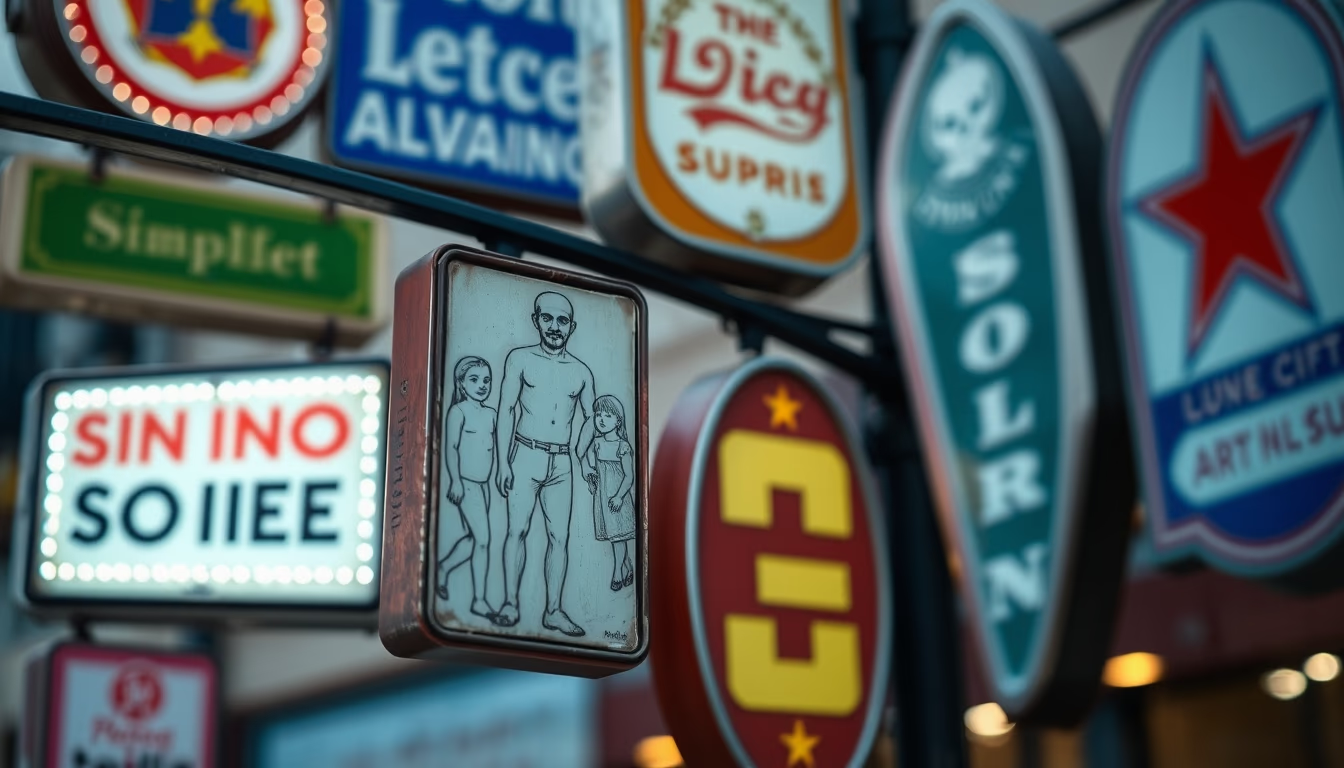
Tin advertising signs row
1344×768 · AVIF · CC BY 4.0

Tin advertising signs, popular in the early 20th century, are now collectible items that reveal the aesthetics and consumer culture of an era.
About this subject
Tin advertising signs, commonly referred to as tin signs, were widely used from the late 19th century to the mid-20th century to promote products, brands, and services. Made from steel sheets coated with tin (tinplate), they featured colorful lithographic printing, a technique that allowed vibrant, detailed designs, making them eye-catching even in rough environments like bars, general stores, and gas stations.
Production of these signs peaked in the United States and Europe between 1890 and 1950, but they also had a strong presence in Brazil, especially for beverage advertisements such as beer and soft drinks, as well as food and pharmaceutical products. Many companies commissioned limited runs for seasonal campaigns, which today makes them rare and valuable to collectors. The manufacturing process involved offset printing onto the metal, followed by cutting and creasing, resulting in objects resistant to moisture and wear, an advantage over paper posters of the time.
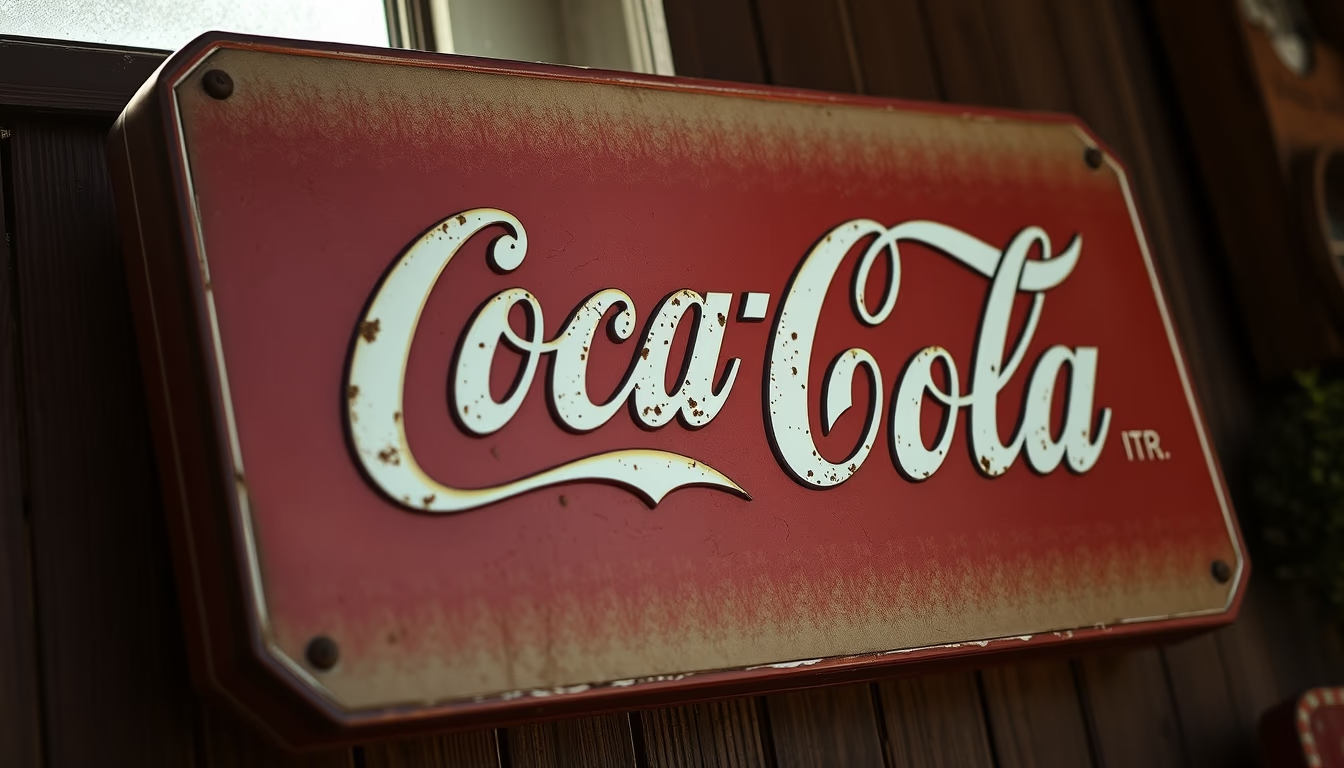
Beyond their advertising purpose, tin signs are valued as folk art. The designs often featured stylized illustrations, logos, and slogans that reflected the artistic trends of the era, such as Art Nouveau and Art Deco. In Brazil, signs from brands like Antarctica, Brahma, and Coca-Cola (from the 1940s onward) are particularly sought after. Preservation of these pieces requires care against rust and sunlight exposure, but when well-maintained, they can fetch high prices at specialized auctions.
Today, the collectibles market especially prizes original signs in good condition, with vibrant colors and no repairs. Modern reproductions exist but lack the same historical appeal. For those starting a collection, it is important to verify authenticity through metal thickness, print type, and manufacturer marks. These signs are true time capsules, offering a glimpse into the marketing strategies and graphic design of decades past.
Frequently Asked Questions
What are tin advertising signs?
They are metal sheets coated with tin, printed with colorful advertisements, mainly used between the late 19th and mid-20th centuries to promote products and brands.
How were tin signs manufactured?
They were made from tinplate using offset lithographic printing. The process involved applying inks to the metal, which was then cut and creased to shape the sign.
Why are vintage tin signs collectible?
Due to their historical value, artistic design, and rarity. Many were produced in limited runs for specific campaigns, and those surviving in good condition are highly sought after by collectors.
Direct URL
https://pub-c7d6a6ea828543ac903a74a341ccb2e1.r2.dev/imagens/tin-advertising-signs-row-studio-editorial-portrait-fresh15.avifHow to credit
Include a visible link back to UtilizAí. Copy one of the snippets below:
<a href="https://xn--utiliza-eza.com/en/midia/imagens/tin-advertising-signs-row-studio-editorial-portrait-fresh15">Tin advertising signs row</a> by <a href="https://xn--utiliza-eza.com">UtilizAí</a>, licensed under <a href="https://creativecommons.org/licenses/by/4.0/">CC BY 4.0</a>.
[Tin advertising signs row](https://xn--utiliza-eza.com/en/midia/imagens/tin-advertising-signs-row-studio-editorial-portrait-fresh15) by [UtilizAí](https://xn--utiliza-eza.com), CC BY 4.0
License: CC-BY-4.0