Tin advertising signs row
1344×768 · AVIF · CC BY 4.0
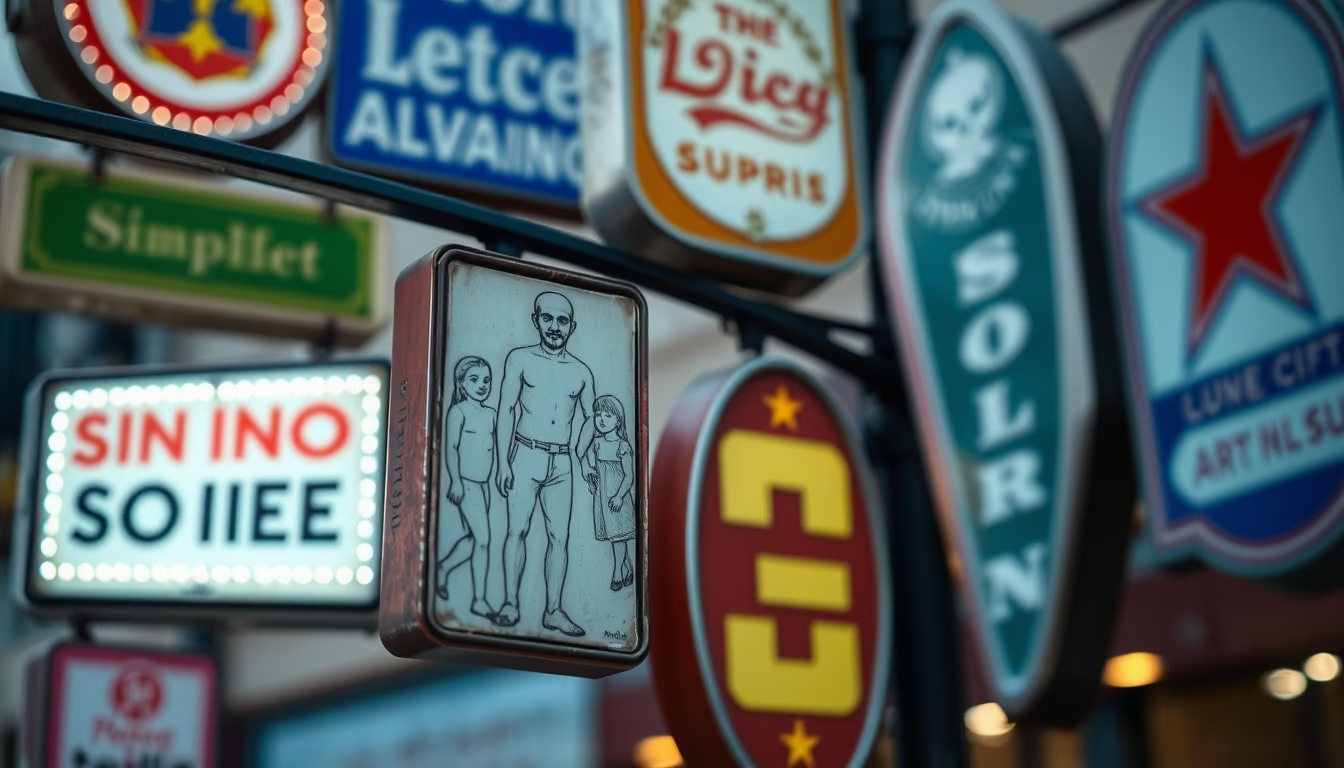
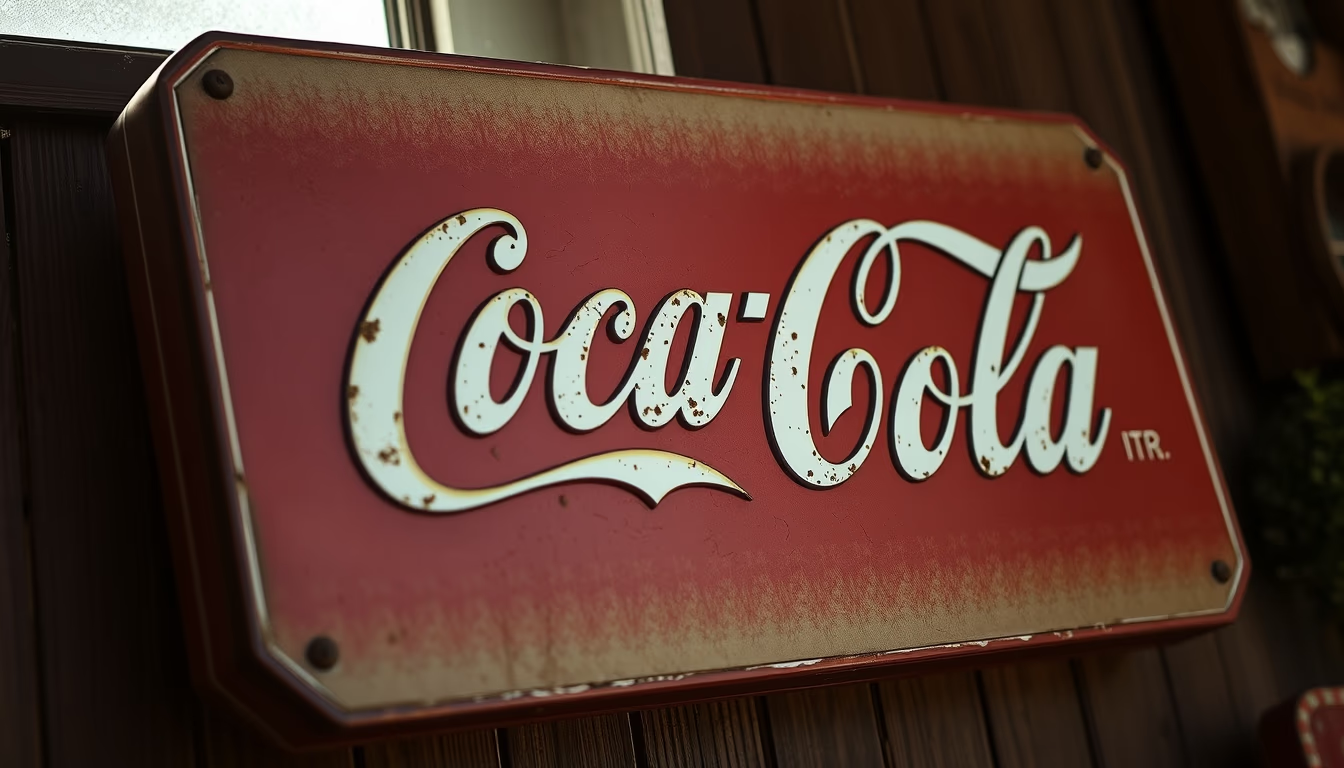
Rows of tin advertising signs are coveted by collectors and decorators, telling stories of 20th-century consumer culture.
About this subject
Tin advertising signs, also known as enamel signs or tin signs, flourished between the 1890s and 1960s, especially in the United States and Europe. Made from steel sheets coated with vitreous enamel or screen printing, these pieces advertised everything from soft drinks and motor oils to cigarettes and patent medicines. The lithographic printing process on metal allowed for vibrant colors and durability, making them ideal for point-of-sale displays and storefronts.
Collecting tin signs gained momentum in the 1970s, fueled by interest in vintage memorabilia and the retro decoration movement. Original pieces in good condition can fetch hundreds or thousands of dollars at auctions. Iconic brands like Coca-Cola, Pepsi, Texaco, and Ford produced thousands of models, many of which are reproduced today. Rarity depends on age, condition, subject, and original print run. Signs of wear, such as dents and rust, are often accepted as authentic patina.
In Brazil, though less common than in the United States, local examples of tin advertising exist, such as beer and soda labels from the 1940s and 1950s. Antique fairs and specialized websites like Mercado Livre and eBay are the main buying and selling channels. Authenticity is a challenge: many Chinese replicas flood the market, lacking the quality and historical value of originals. To identify a genuine sign, collectors check the back (impressions from the manufacturing process), metal thickness, and color sharpness.
The row arrangement, as the title suggests, evokes old hardware stores or bars that displayed several signs side by side to attract customers. This aesthetic of advertising abundance is now recreated in industrial or retro-style interiors, where a wall covered in tin signs serves as a focal point. Curating such collections reflects a taste for the material culture of the past and commercial art.
Frequently Asked Questions
How to identify if a tin advertising sign is original?
Check the back: originals often have manufacturing marks, embossing, or metal texture. Compare thickness (old signs are thinner) and color sharpness. Modern replicas usually have flatter colors and less defined edges.
What is the average value of an old Coca-Cola tin sign?
It depends on the model, age, and condition. Original signs from the 1910s-1930s can range from $50 to $500 in the US market; rare models in excellent condition may exceed $1,000.
Where to buy vintage tin signs?
Antique shops, flea markets, online platforms like eBay and Etsy, and specialized memorabilia websites. Always verify authenticity, as many Chinese reproductions are sold as originals.
Direct URL
https://pub-c7d6a6ea828543ac903a74a341ccb2e1.r2.dev/imagens/tin-advertising-signs-row-magazine-editorial-fresh0.avifHow to credit
Include a visible link back to UtilizAí. Copy one of the snippets below:
<a href="https://xn--utiliza-eza.com/en/midia/imagens/tin-advertising-signs-row-magazine-editorial-fresh0">Tin advertising signs row</a> by <a href="https://xn--utiliza-eza.com">UtilizAí</a>, licensed under <a href="https://creativecommons.org/licenses/by/4.0/">CC BY 4.0</a>.
[Tin advertising signs row](https://xn--utiliza-eza.com/en/midia/imagens/tin-advertising-signs-row-magazine-editorial-fresh0) by [UtilizAí](https://xn--utiliza-eza.com), CC BY 4.0
License: CC-BY-4.0