Tin advertising signs row
1344×768 · AVIF · CC BY 4.0
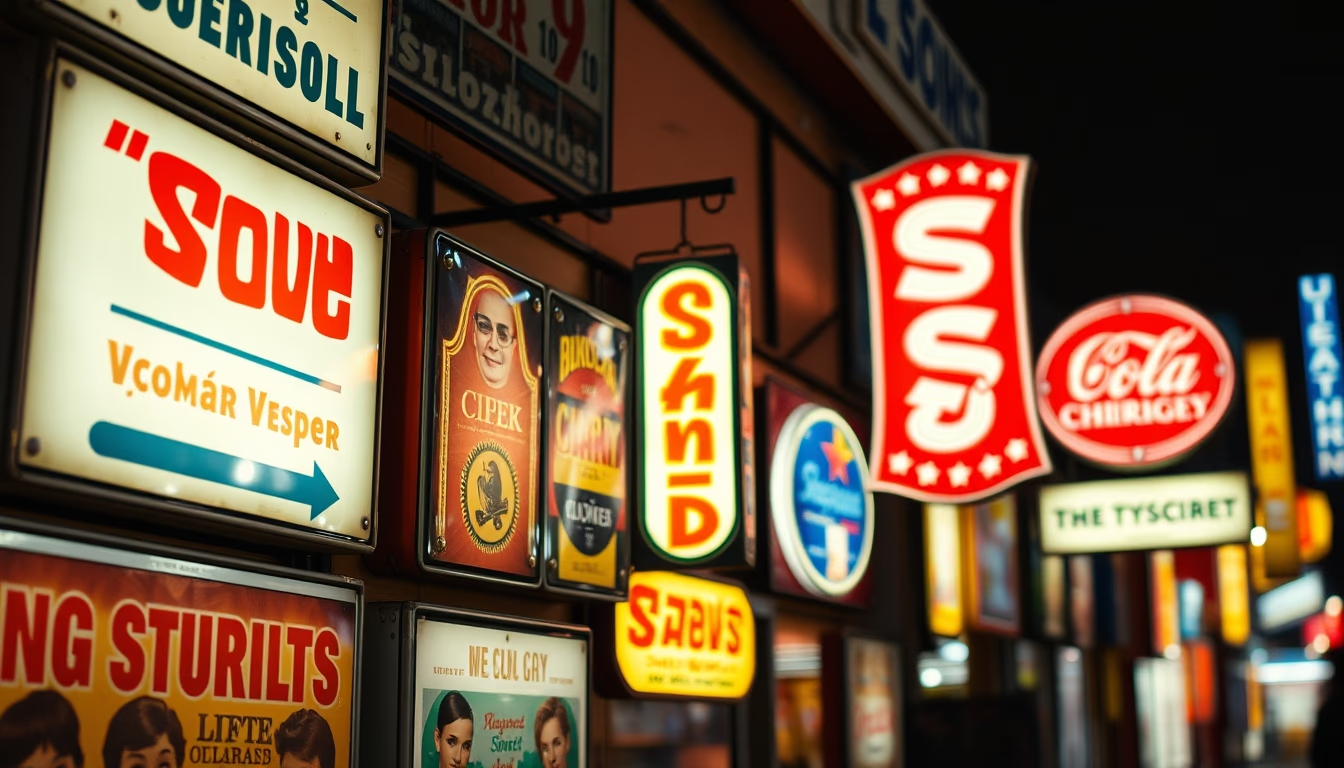
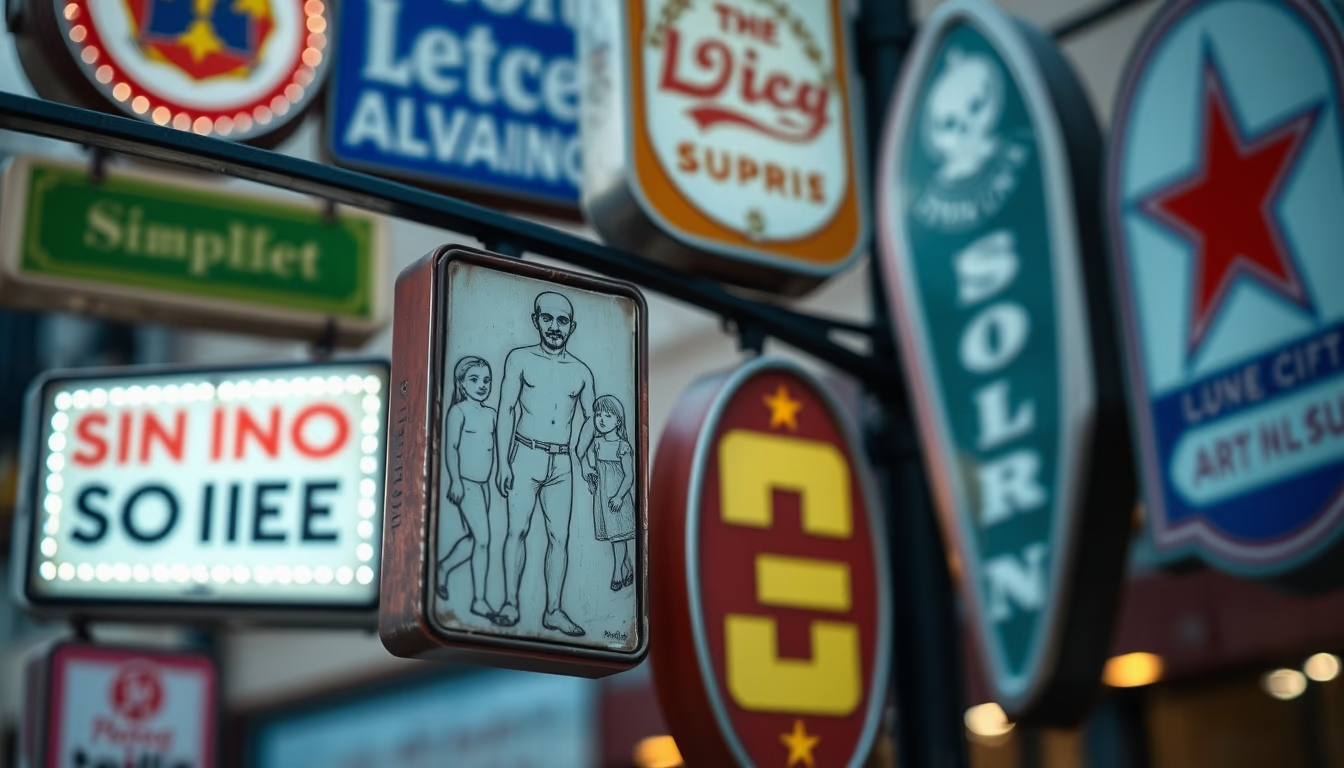
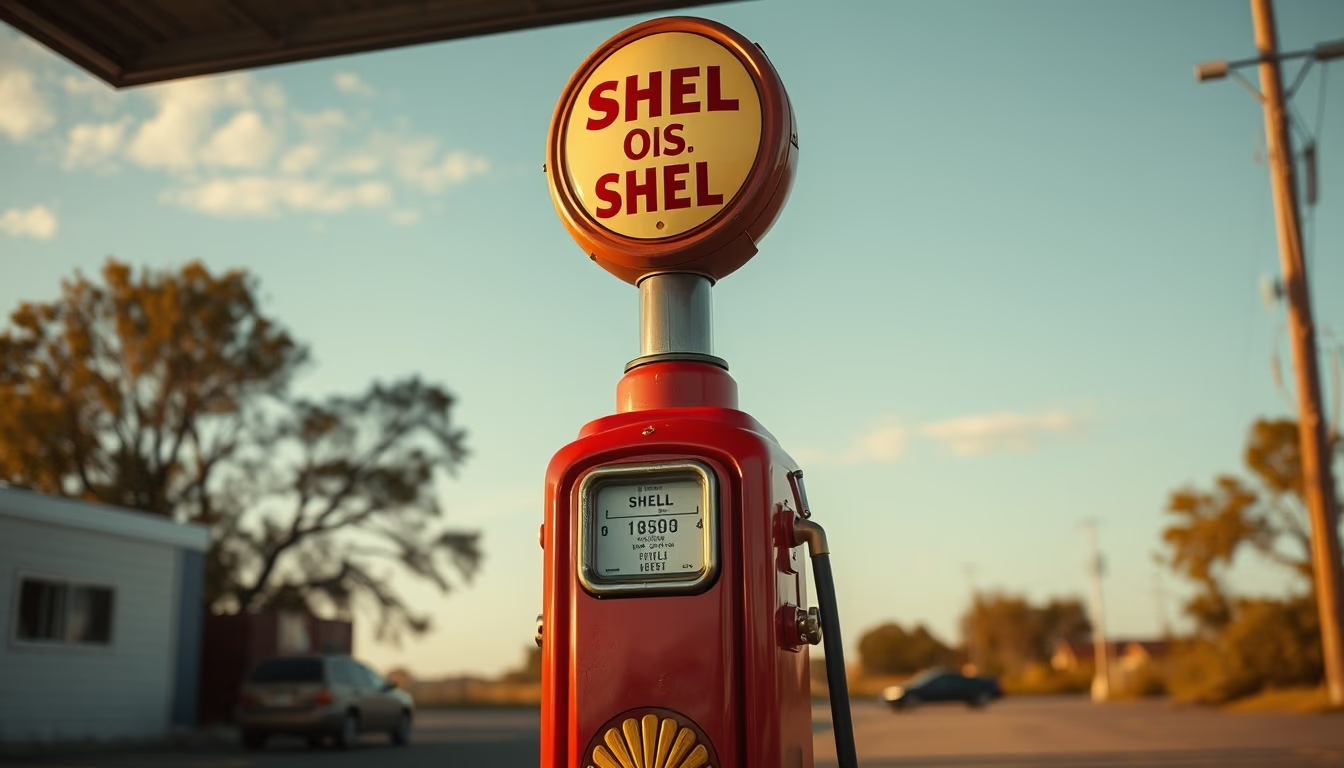
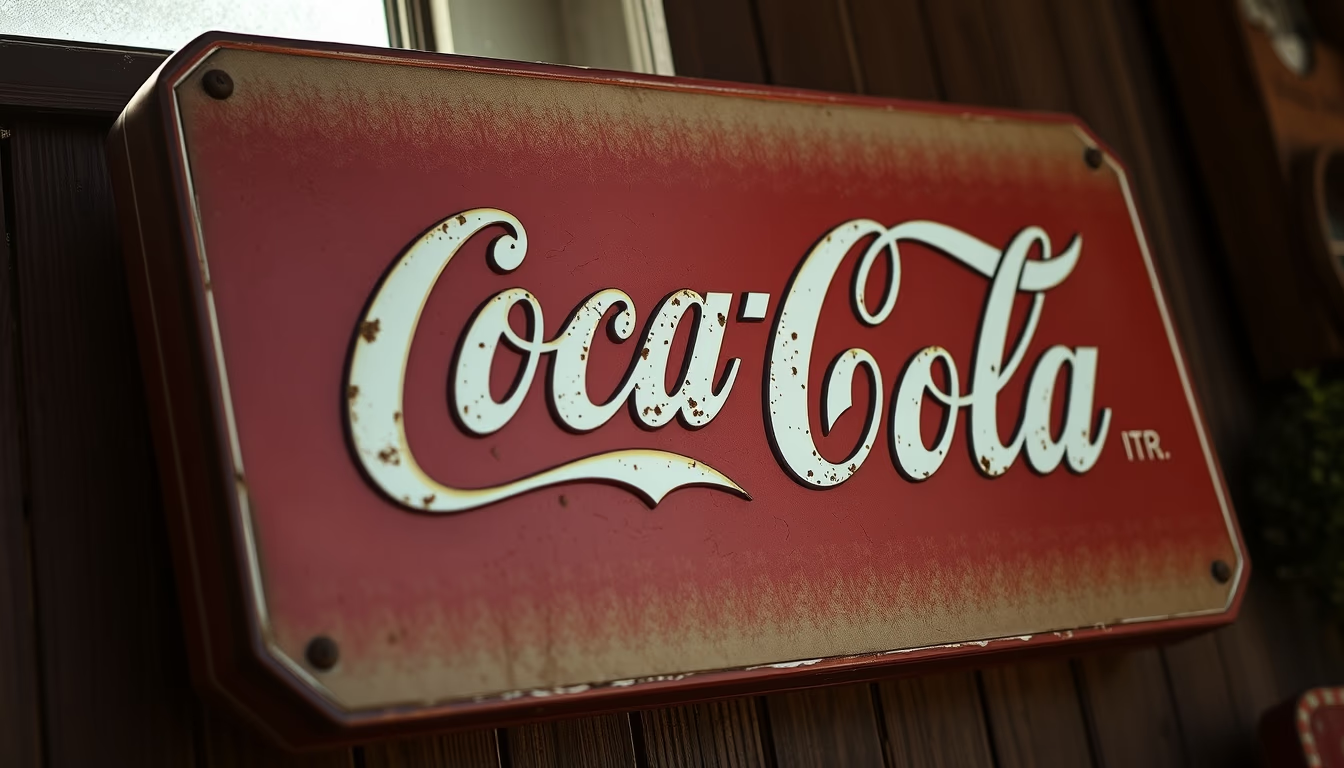
Tin advertising signs, common in the 20th century, are now collectible pieces that tell the story of consumer culture and popular history.
About this subject
Tin advertising signs emerged in the late 19th century with the development of lithography on metal. They were made from thin steel sheets coated with tin, making them rust resistant and suitable for outdoor use. Companies in beverages, tobacco, medicines, and food widely used these signs to affix their brands on storefronts, poles, and walls, creating a distinctive visual landscape in cities until the mid 20th century.
In Brazil, these signs were especially popular between the 1930s and 1960s, particularly for products like beer, soft drinks, and cigarettes. Brands such as Brahma, Antarctica, and Souza Cruz invested in colorful and eye catching designs, many printed abroad due to lack of local technology. Today, these pieces are rare items sought after by collectors and interior decorators, fetching significant sums at specialized auctions.
The production process was artisanal: the design was engraved on stone or chrome and then transferred to the metal sheet by pressing. Each color was applied in a separate step, requiring precision to avoid misalignment. This method, known as chromolithography, ensured vibrant colors and fine details but made each sign a limited edition item.
Nowadays, restoring tin signs requires special care to preserve the original paint without damaging the metal. Many are found at antique fairs and thrift stores, but authenticity must be verified as modern reproductions are common. A sign's value depends on rarity, condition, and the advertised brand, with historic examples fetching thousands of dollars.
Frequently Asked Questions
How to identify an original tin advertising sign?
Look for signs of natural oxidation, minor dents, and old screws or nails. Original signs often have slightly irregular edges and thinner metal than modern reproductions. Also, the print is usually enamel paint, visible in small scratches.
What is the value of an antique tin sign?
Value varies greatly depending on rarity, condition, and advertised brand. Well preserved signs from famous companies can sell for $50 to $1,000 or more at specialized auctions. Very rare pieces from the 1920s can fetch even higher prices.
How to preserve vintage tin advertising signs?
Avoid exposing the sign to moisture and direct sunlight, which can fade colors and accelerate rusting. Clean only with a dry or slightly damp cloth, no chemicals. If rust appears, consult a professional restorer to avoid damaging the paint.
Direct URL
https://pub-c7d6a6ea828543ac903a74a341ccb2e1.r2.dev/imagens/tin-advertising-signs-row-lo-fi-disposable-camera-fresh6.avifHow to credit
Include a visible link back to UtilizAí. Copy one of the snippets below:
<a href="https://xn--utiliza-eza.com/en/midia/imagens/tin-advertising-signs-row-lo-fi-disposable-camera-fresh6">Tin advertising signs row</a> by <a href="https://xn--utiliza-eza.com">UtilizAí</a>, licensed under <a href="https://creativecommons.org/licenses/by/4.0/">CC BY 4.0</a>.
[Tin advertising signs row](https://xn--utiliza-eza.com/en/midia/imagens/tin-advertising-signs-row-lo-fi-disposable-camera-fresh6) by [UtilizAí](https://xn--utiliza-eza.com), CC BY 4.0
License: CC-BY-4.0