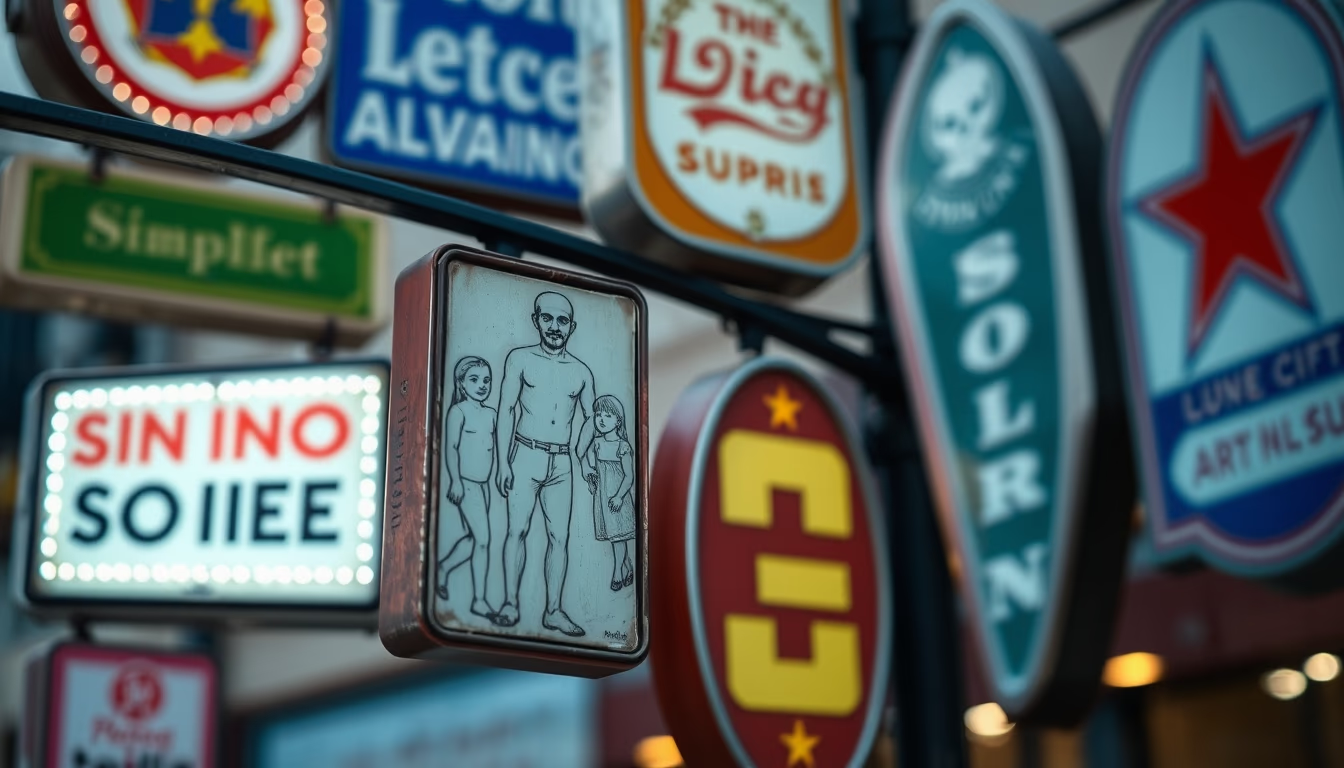
Tin advertising signs row
1344×768 · AVIF · CC BY 4.0
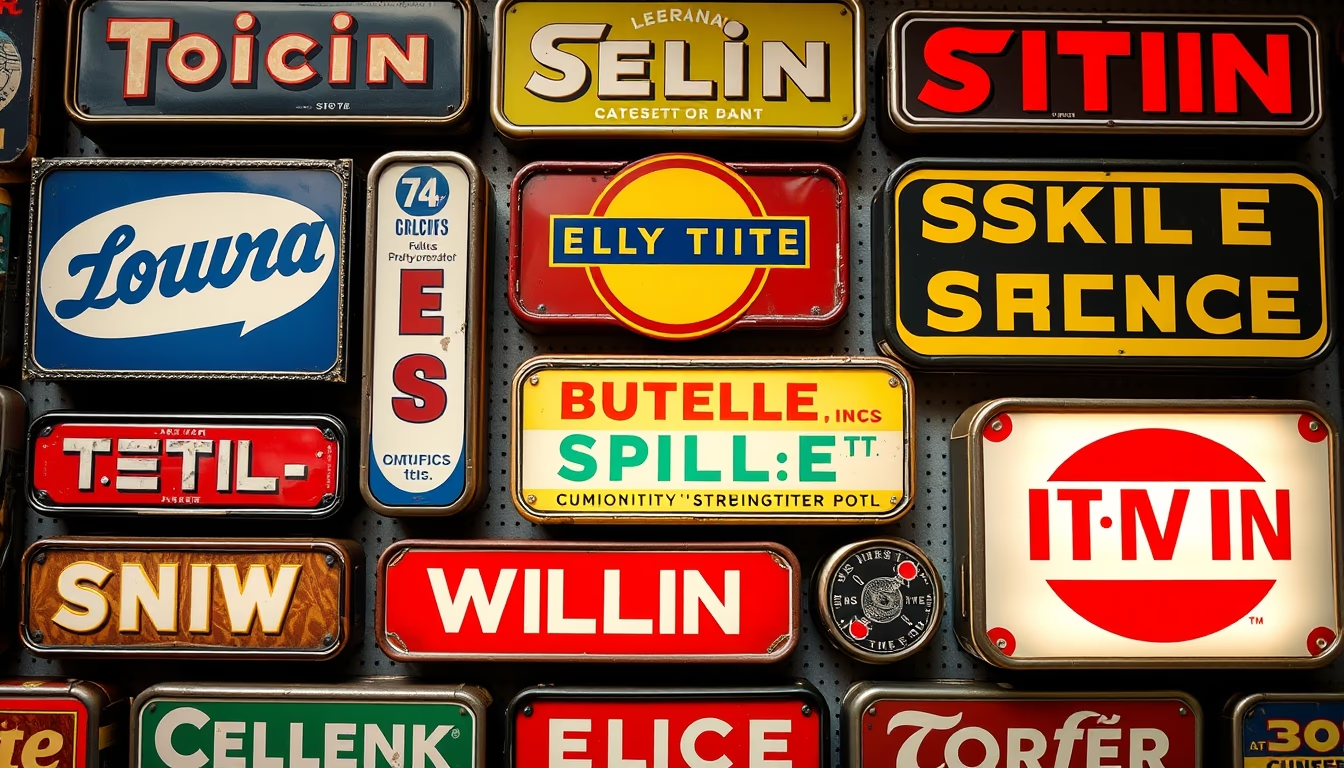
Tin advertising signs defined 20th-century urban landscapes, blending commercial art with durable metal craftsmanship.
About this subject
Tin advertising signs emerged in the late 19th century with the industrialization of metal printing. Made from thin sheets of steel coated with tin, these signs were rust-resistant and could be mass-produced. Beverage, tobacco, and fuel companies were primary users, spreading their logos across bar facades, gas stations, and general stores. The sign designs often featured colorful illustrations, bold typography, and decorative borders, reflecting artistic trends from Art Nouveau to the modernist style of the 1950s.
Production involved offset lithography on metal, a process enabling vibrant colors and precise details. The sheets were then cut, varnished, and often attached to wooden frames for mounting. Due to their durability, many original signs survived, becoming prized collectibles. Found at antique fairs and auctions, they represent not only advertising history but also the visual culture of an era. Nostalgic appeal and retro aesthetics make them frequently reproduced for contemporary decor.
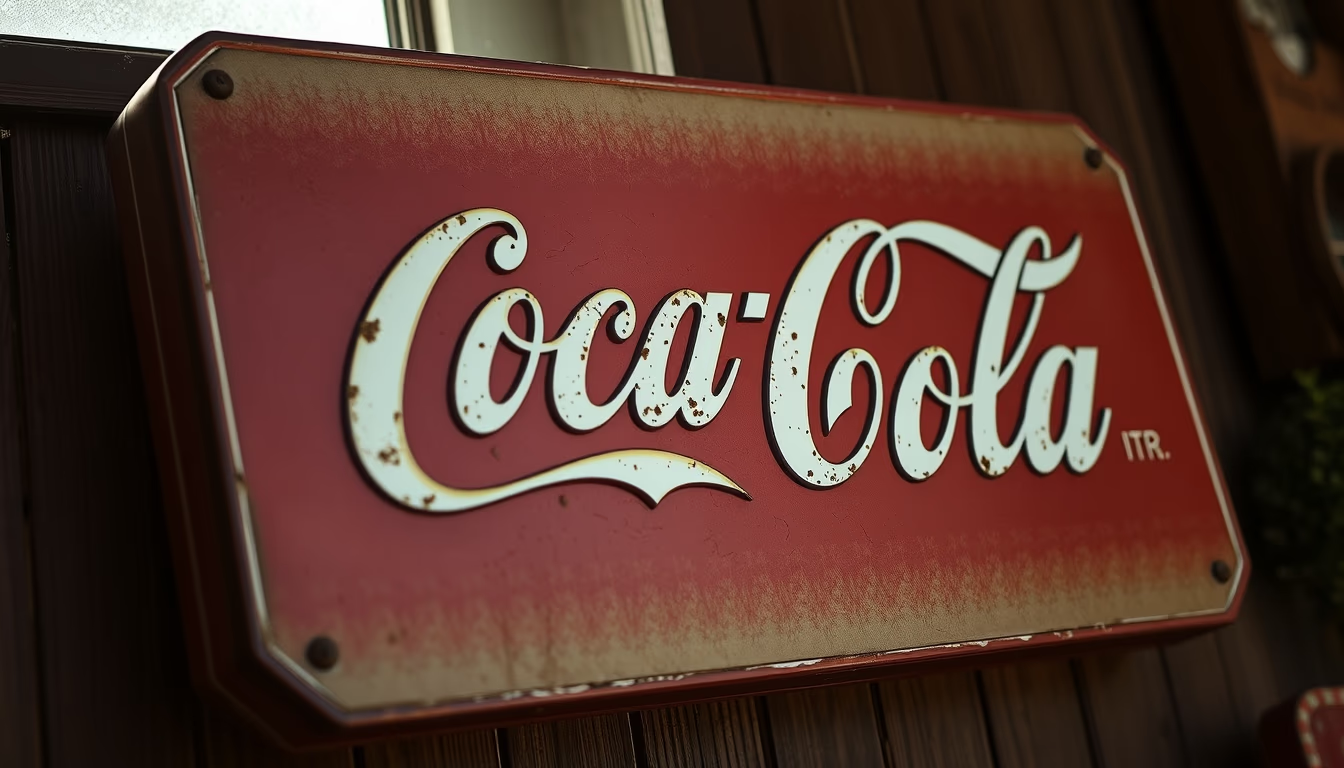
Interestingly, tin sign manufacturing declined from the 1960s onward with the rise of cheaper and more flexible plastic and vinyl materials. Yet interest in these objects revived with the vintage movement. Today, replicas are produced in China and sold globally, while authentic early 20th-century pieces can fetch high prices. A notable example is the 1910 "Coca-Cola" sign, which depicts the brand in an elaborate design and is considered a rarity among collectors.
Frequently Asked Questions
How were tin advertising signs made?
They were produced using offset lithography on tin-coated steel sheets, achieving vibrant colors and fine details. After printing, the sheets were cut, varnished, and often mounted on wooden frames.
Why are tin signs so durable?
The tin coating protects the steel from rust, and the paint was sealed with varnish, creating a weather-resistant barrier.
Where can I find antique tin advertising signs?
They can be found at antique fairs, online auctions like eBay, and shops specializing in vintage items. Prices vary based on rarity and condition.
Direct URL
https://pub-c7d6a6ea828543ac903a74a341ccb2e1.r2.dev/imagens/tin-advertising-signs-row-isometric-flat-lay-fresh9.avifHow to credit
Include a visible link back to UtilizAí. Copy one of the snippets below:
<a href="https://xn--utiliza-eza.com/en/midia/imagens/tin-advertising-signs-row-isometric-flat-lay-fresh9">Tin advertising signs row</a> by <a href="https://xn--utiliza-eza.com">UtilizAí</a>, licensed under <a href="https://creativecommons.org/licenses/by/4.0/">CC BY 4.0</a>.
[Tin advertising signs row](https://xn--utiliza-eza.com/en/midia/imagens/tin-advertising-signs-row-isometric-flat-lay-fresh9) by [UtilizAí](https://xn--utiliza-eza.com), CC BY 4.0
License: CC-BY-4.0