Tin advertising signs row
1344×768 · AVIF · CC BY 4.0
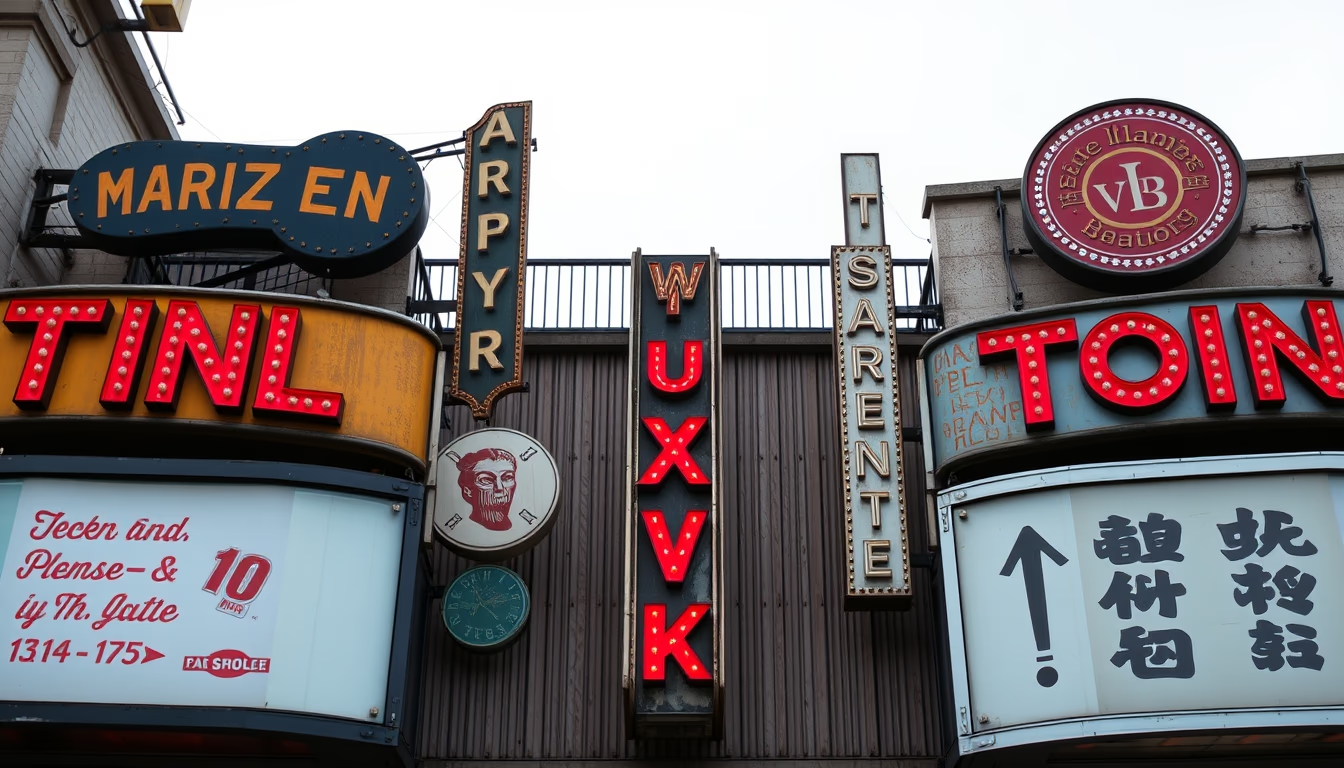
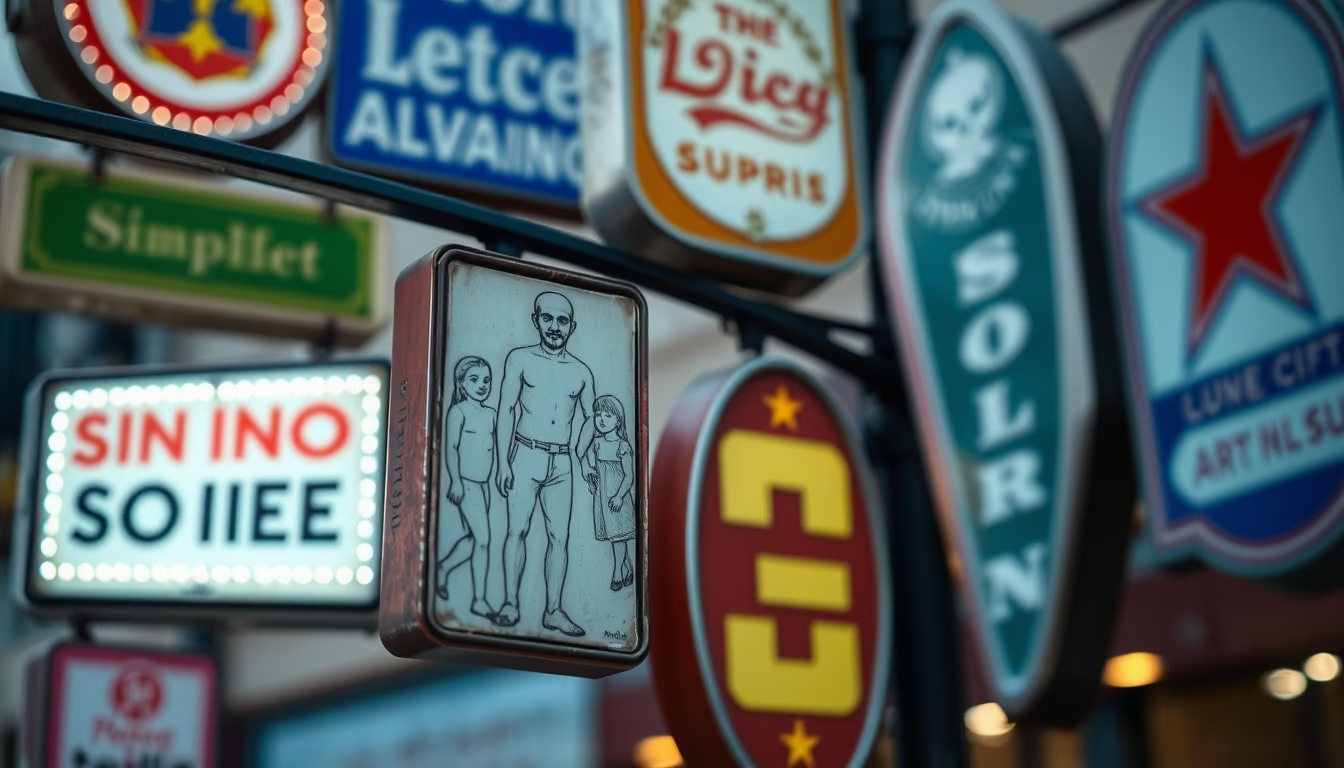
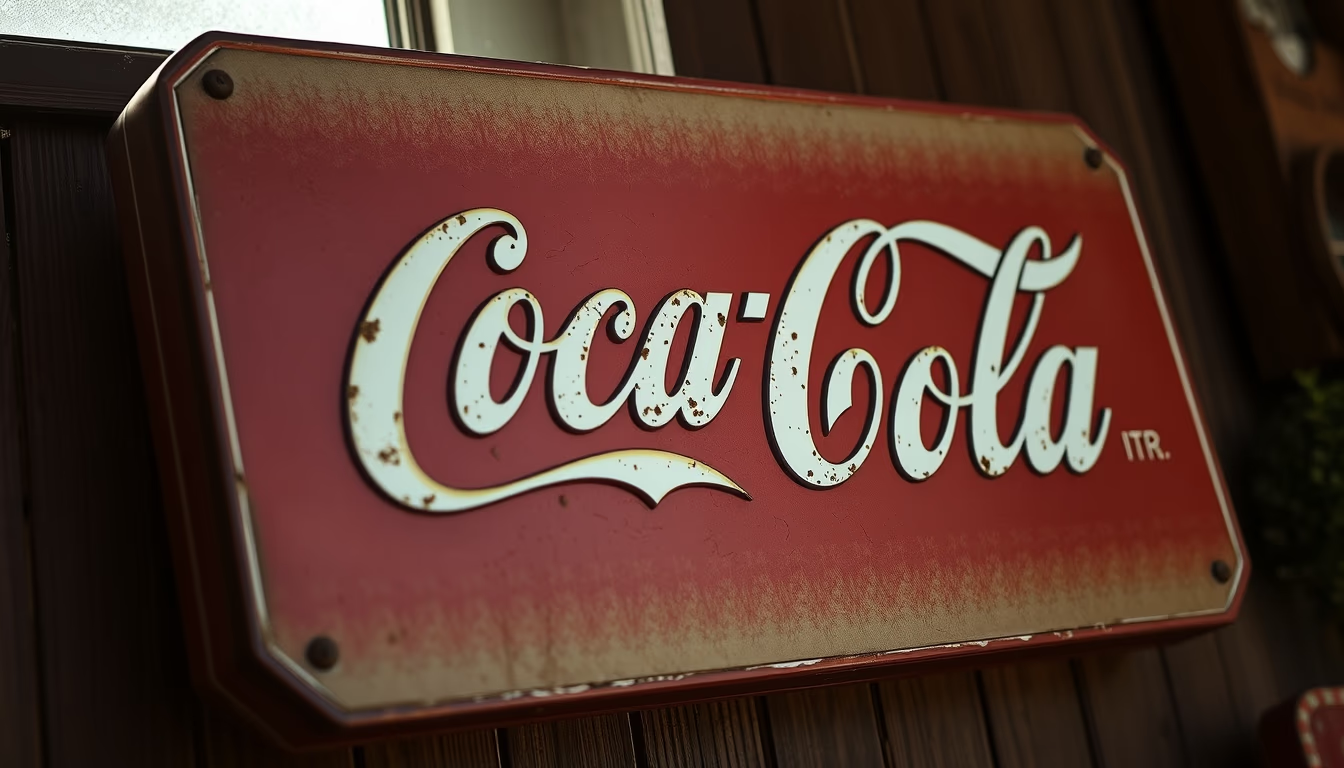
A row of tin advertising signs evokes early 20th-century commercial aesthetics, blending design and outdoor advertising.
About this subject
Tin advertising signs, popular between the 1890s and 1950s, were a ubiquitous form of outdoor advertising. Made from thin metal sheets coated with vitreous enamel, they resisted rust and fading, making them ideal for storefronts and building walls. The printing technique, using silk-screen or decals, allowed vibrant colors and sharp details, often promoting brands of beverages, cigarettes, food, and medicines. Many signs reflected the Art Deco style and graphic design of the era, with bold typography and simplified illustrations.
In the United States, mass production of tin signs began in Baltimore around 1895, driven by demand for beer and soda advertisements. Companies like Coca-Cola and Budweiser commissioned thousands of examples to hang in bars and grocery stores. In Brazil, their use was intense until the 1960s, especially for medicine and cleaning products advertisements; today they are collector's items, with original pieces worth hundreds of reais.
Preservation is challenging: sun and rain cause the enamel to peel, but many signs survived in sheds and warehouses. The row depicts an aligned set, likely fixed on a brick or wooden wall, evoking the urban landscape of the pre-plastic era. Each sign is a fragment of commercial history, where advertising design merges with the ephemeral architecture of the streets.
Frequently Asked Questions
Why were tin advertising signs so popular in the early 20th century?
They were durable, weather-resistant, and cheap to mass-produce. The vitreous enamel coating protected the metal sheet, ensuring years of exposure without fading, making them ideal for outdoor advertising.
How can you identify an original tin sign?
Originals typically have folded edges for reinforcement, slightly uneven enamel colors, and manufacturer marks on the back. The surface may show small chips or rust, with the enamel layer visibly thick.
What are the best practices for preserving old tin signs?
Avoid direct sunlight and moisture. Clean with a soft dry cloth, no chemicals. If rust appears, use light mineral oil; never sand, as it damages the enamel.
Direct URL
https://pub-c7d6a6ea828543ac903a74a341ccb2e1.r2.dev/imagens/tin-advertising-signs-row-architectural-photography-fresh4.avifHow to credit
Include a visible link back to UtilizAí. Copy one of the snippets below:
<a href="https://xn--utiliza-eza.com/en/midia/imagens/tin-advertising-signs-row-architectural-photography-fresh4">Tin advertising signs row</a> by <a href="https://xn--utiliza-eza.com">UtilizAí</a>, licensed under <a href="https://creativecommons.org/licenses/by/4.0/">CC BY 4.0</a>.
[Tin advertising signs row](https://xn--utiliza-eza.com/en/midia/imagens/tin-advertising-signs-row-architectural-photography-fresh4) by [UtilizAí](https://xn--utiliza-eza.com), CC BY 4.0
License: CC-BY-4.0