Tin advertising signs row
1344×768 · AVIF · CC BY 4.0

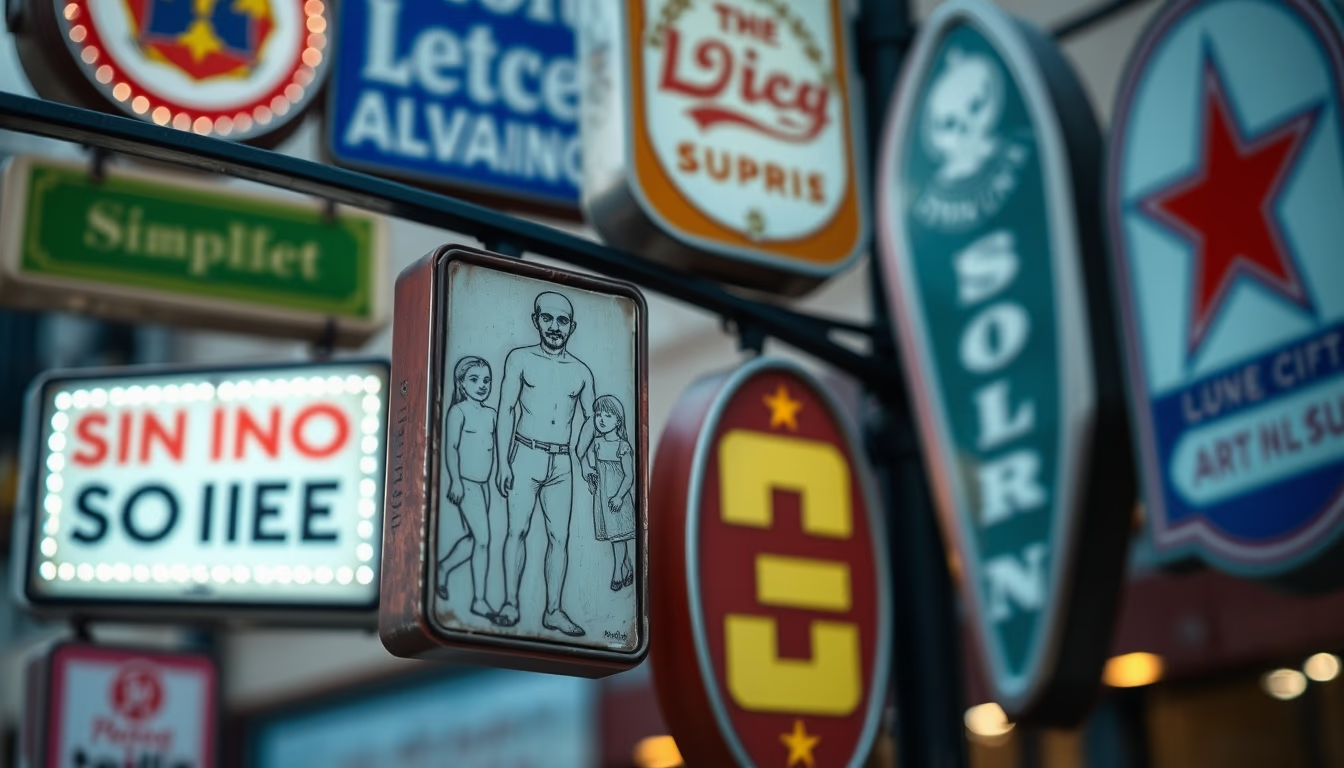
Aerial view of a row of vintage tin advertising signs unveils the history of outdoor commercial billboards.
About this subject
Tin advertising signs were among the first mass-produced outdoor advertising formats, popular between the late 19th and mid-20th centuries. Made from thin steel sheets coated with tin to prevent rust, these signs were printed with oil-based inks and vitreous enamels, giving them durability and vivid colors. They were used to promote everything from soft drinks and cigarettes to local services and auto parts.
Large-scale production began in the United States around 1890, with companies like Lithographers and the American Can Company dominating the market. In Brazil, the tradition of tin signs arrived with European immigrants and spread especially in commercial districts of historic cities. Many of these signs survive in antique fairs and private collections, valued for their nostalgic appeal and handcrafted design.
From a technical standpoint, printing on tin required stone or metal plates, and each color was applied in a separate step. The process was expensive for its time, but the result was a weather-resistant advertisement that could last decades. Today, original tin signs in good condition are collector's items, sometimes fetching high prices at specialized auctions.
Culturally, these signs represent the transition from local to national advertising, with brands like Coca-Cola, Ford and Nestlé using them to establish consistent visual identities across regions. The row seen in the image, aligned like an outdoor gallery, evokes an era when street commerce was the main channel of consumption.
Frequently Asked Questions
How were tin advertising signs manufactured?
They were made from thin steel sheets coated with tin. Printing used stone or metal plates, applying each color separately with oil-based inks or vitreous enamels.
Why are tin signs considered collector's items?
Because of their durability, handcrafted design, and historical value. Many original early 20th-century examples are rare and can fetch hundreds or thousands of dollars at auctions.
Where can I find vintage tin signs in Brazil?
At antique fairs, flea markets, specialized vintage decor stores, and private collections. Historic cities like Ouro Preto and Paraty also have examples on commercial facades.
Direct URL
https://pub-c7d6a6ea828543ac903a74a341ccb2e1.r2.dev/imagens/tin-advertising-signs-row-aerial-drone-shot-fresh16.avifHow to credit
Include a visible link back to UtilizAí. Copy one of the snippets below:
<a href="https://xn--utiliza-eza.com/en/midia/imagens/tin-advertising-signs-row-aerial-drone-shot-fresh16">Tin advertising signs row</a> by <a href="https://xn--utiliza-eza.com">UtilizAí</a>, licensed under <a href="https://creativecommons.org/licenses/by/4.0/">CC BY 4.0</a>.
[Tin advertising signs row](https://xn--utiliza-eza.com/en/midia/imagens/tin-advertising-signs-row-aerial-drone-shot-fresh16) by [UtilizAí](https://xn--utiliza-eza.com), CC BY 4.0
License: CC-BY-4.0