Thanksgiving harvest decoration
1344×768 · AVIF · CC BY 4.0
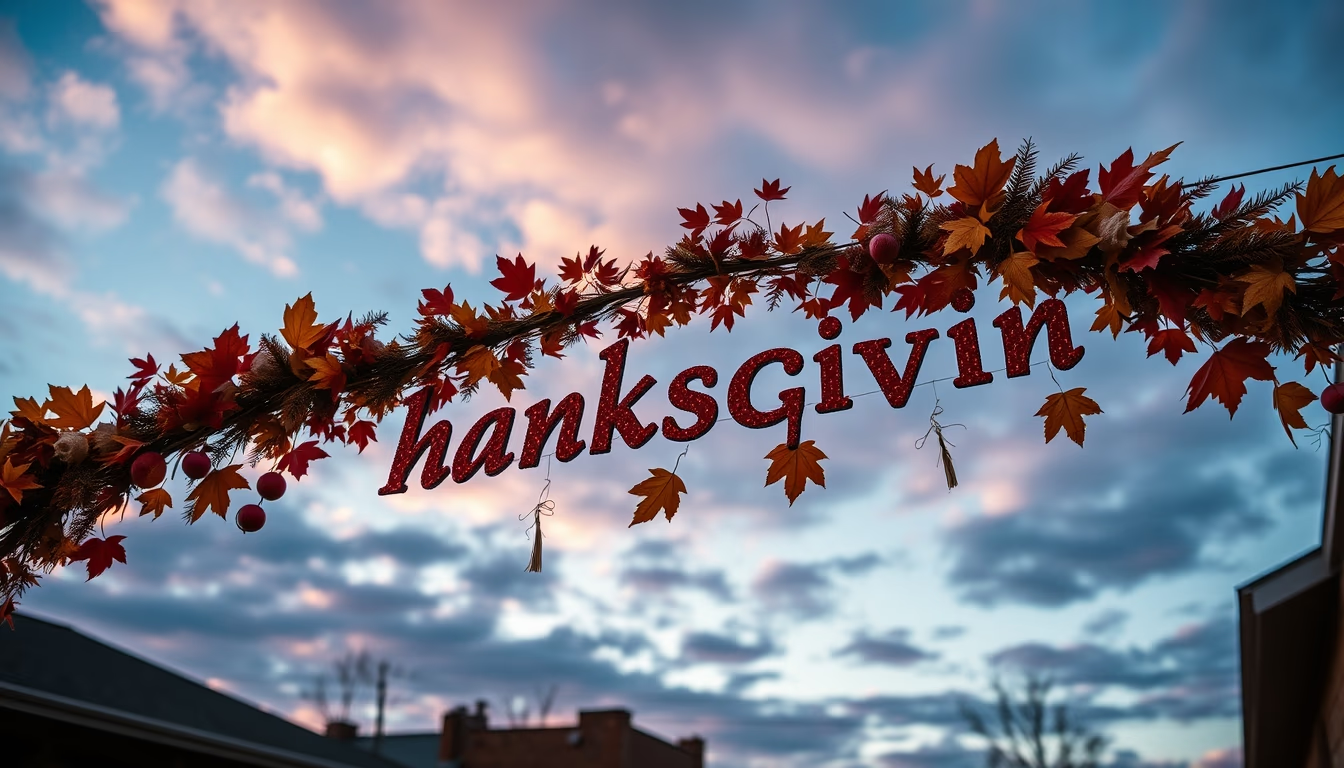
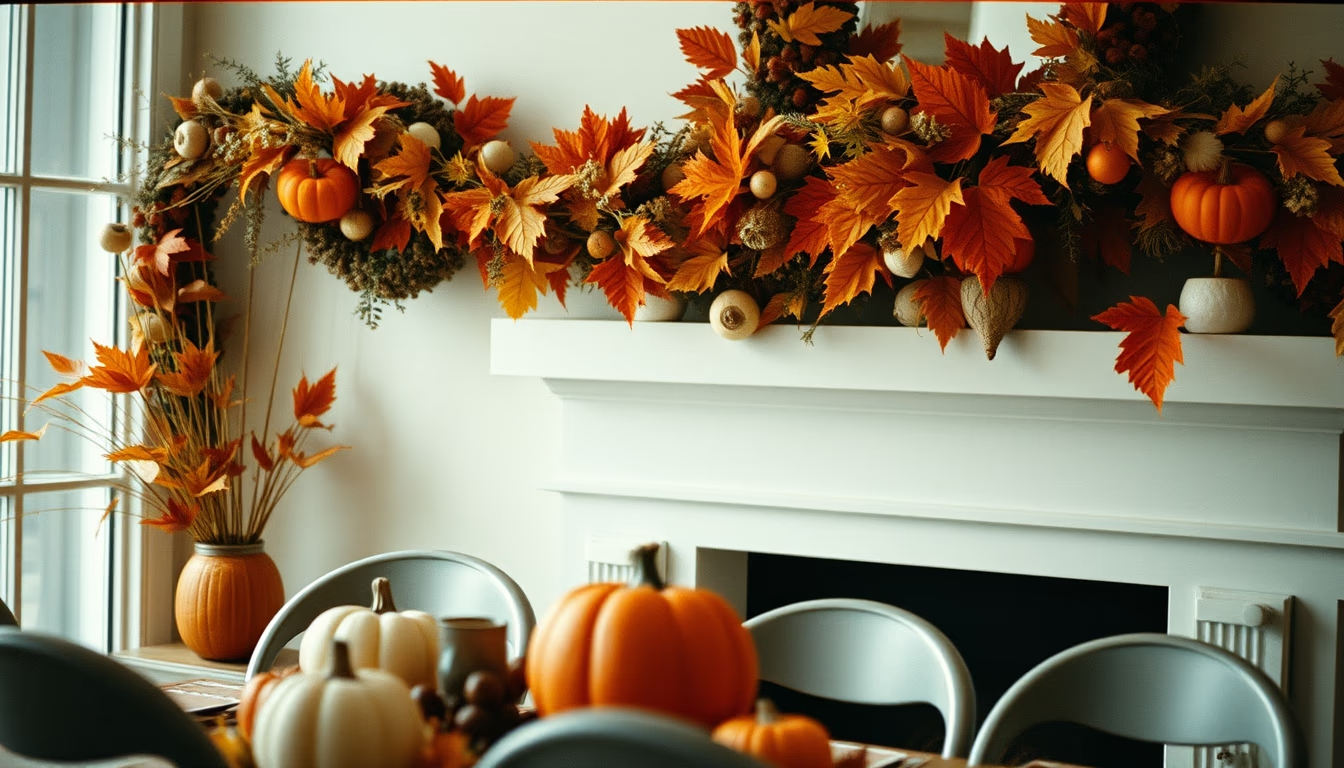
Thanksgiving harvest decorations celebrate autumn abundance with symbols like cornucopias, pumpkins, and dried leaves, rooted in Pilgrim and harvest traditions.
About this subject
Thanksgiving harvest decorations trace back to the 17th century, when English settlers and Wampanoag natives shared a meal of gratitude for the harvest. Today, these decorations include the cornucopia (horn of plenty), a woven horn-shaped basket filled with fruits, vegetables, and grains, symbolizing prosperity. Pumpkins, corn, apples, grapes, and autumn leaves in orange, red, and yellow are recurring elements.
The tradition of decorating with harvest items gained popularity in the 19th century, especially after Abraham Lincoln proclaimed Thanksgiving a national holiday in 1863. In the United States, Thanksgiving is celebrated on the fourth Thursday of November; in Canada, on the second Monday of October. Decorations vary regionally: in the American Midwest, corn and wheat are common; in New England, apples and cranberries. Wreaths of dried leaves and branches, as well as candles and tablecloths with harvest prints, are also part of the aesthetic.
Culturally, harvest decoration reinforces values of gratitude, family, and community. Many schools and churches organize harvest fairs where children assemble mini cornucopias. The symbolism goes beyond the religious: the cornucopia, originating in Greco-Roman mythology, represents fertility and abundance. In marketing, stores decorate windows with these items starting in October, boosting seasonal commerce.
Interestingly, although turkey is the main dish, decorations rarely include it, focusing instead on produce. The 'long exposure' tag might refer to nighttime photography of such decorations, highlighting candles and lights, but the focus remains on the cultural meaning of the arrangement.
Frequently Asked Questions
What is a Thanksgiving harvest decoration?
It is an arrangement of typical autumn items such as pumpkins, corn, apples, dried leaves, and a cornucopia, used to celebrate gratitude for the harvest during Thanksgiving.
Why is the cornucopia used in decorations?
The cornucopia, or horn of plenty, symbolizes prosperity and abundance. Its mythological origin (Greco-Roman) was incorporated into Thanksgiving tradition to represent the generosity of the harvest.
What are the most common elements in a harvest display?
Pumpkins, decorative corn, apples, grapes, autumn leaves, nuts, grains (like wheat), and a cornucopia. Candles and wreaths are also frequent.
Direct URL
https://pub-c7d6a6ea828543ac903a74a341ccb2e1.r2.dev/imagens/thanksgiving-harvest-decoration-long-exposure-fresh1.avifHow to credit
Include a visible link back to UtilizAí. Copy one of the snippets below:
<a href="https://xn--utiliza-eza.com/en/midia/imagens/thanksgiving-harvest-decoration-long-exposure-fresh1">Thanksgiving harvest decoration</a> by <a href="https://xn--utiliza-eza.com">UtilizAí</a>, licensed under <a href="https://creativecommons.org/licenses/by/4.0/">CC BY 4.0</a>.
[Thanksgiving harvest decoration](https://xn--utiliza-eza.com/en/midia/imagens/thanksgiving-harvest-decoration-long-exposure-fresh1) by [UtilizAí](https://xn--utiliza-eza.com), CC BY 4.0
License: CC-BY-4.0