Thanksgiving harvest decoration
1344×768 · AVIF · CC BY 4.0
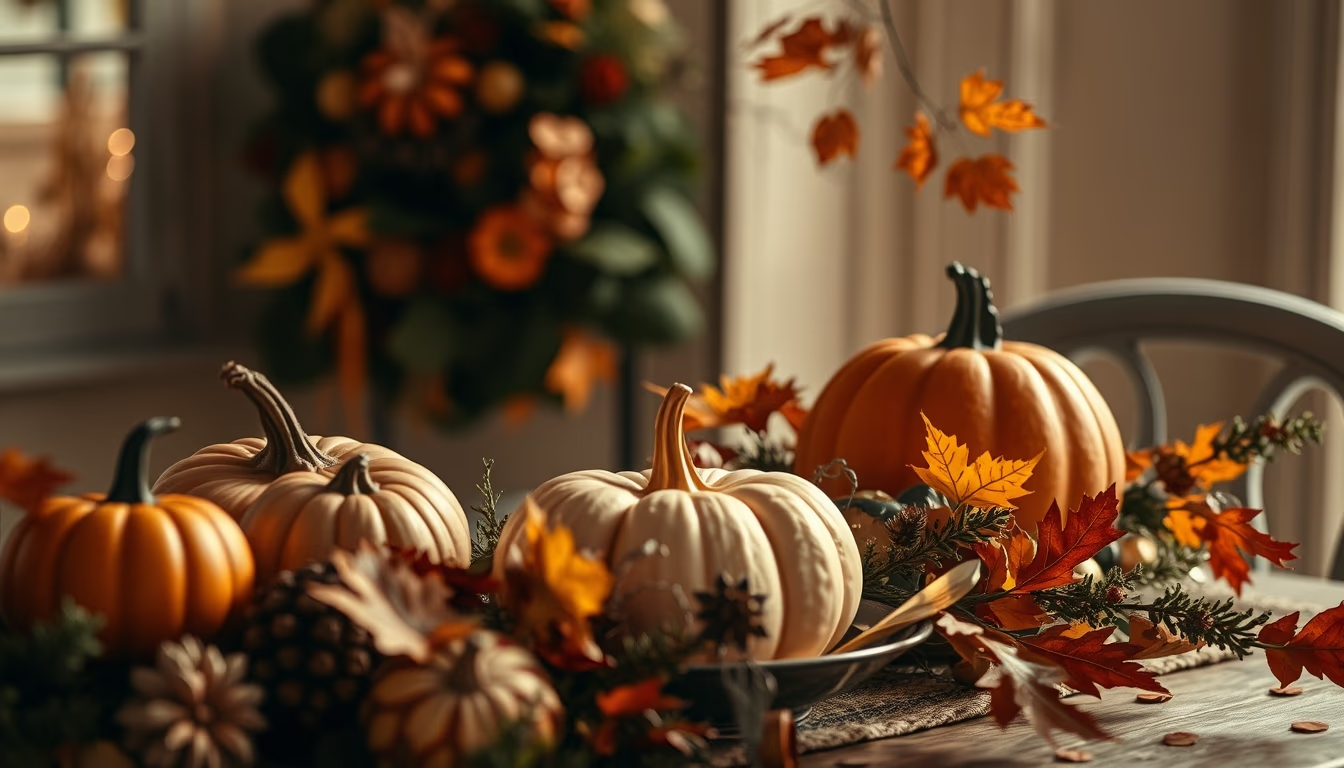
Thanksgiving harvest decorations combine pumpkins, corn, dried leaves and the cornucopia, symbols of abundance and gratitude.
About this subject
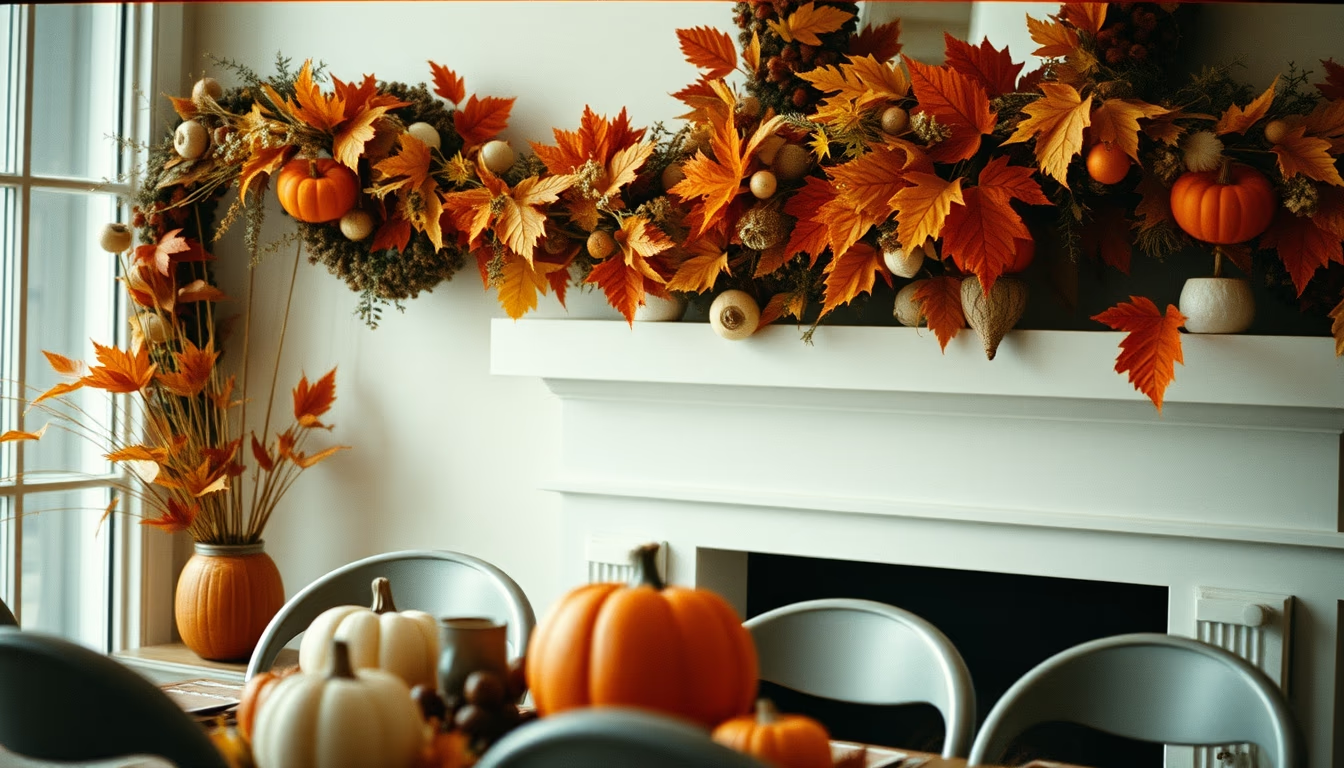
Thanksgiving harvest decorations are North American traditions dating back to the early settlers and Native peoples. The centerpiece often features a cornucopia, a horn-shaped basket overflowing with fruits, vegetables, and grains, representing the bounty of the harvest. Pumpkins and colorful gourds are placed in vases or arrangements, alongside dried corn stalks and autumn leaves in shades of orange, red, and yellow. Candles and tablecloths in earthy tones complete the rustic and welcoming look.
The origin of these decorations is linked to the first Thanksgiving in 1621, when Plymouth pilgrims celebrated a successful harvest with the Wampanoag. Although specific foods varied over centuries, the harvest symbolism remained central. In the 19th century, writer Sarah Josepha Hale promoted Thanksgiving as a national holiday, encouraging thematic decorations that reinforced gratitude and family unity.
Today, besides homes, stores and restaurants adopt harvest arrangements including dry branches, pine cones, and even small wheat sheaves. In the United States, the holiday is celebrated on the fourth Thursday of November. The global influence of Thanksgiving has led countries like Canada (in October) and communities worldwide to create similar decorations, adapting local plant species.
Interestingly, the pumpkin, a prime symbol, is used not only decoratively but also in pies and soups. The tradition of displaying dried corn comes from indigenous practices of storing grains for winter. These elements turn any space into a celebration of the earth's generosity.
Frequently Asked Questions
What are typical elements of a Thanksgiving harvest decoration?
Common elements include the cornucopia (horn of plenty), pumpkins, gourds, dried corn stalks, autumn leaves, pine cones, dry branches, and candles in earthy tones. These items symbolize gratitude for the harvest and abundance.
When did the tradition of decorating with harvest themes for Thanksgiving begin?
The tradition dates back to the first Thanksgiving in 1621, but specific decorations gained popularity in the 19th century thanks to Sarah Josepha Hale, who promoted agricultural symbols to reinforce the holiday's meaning.
Is Thanksgiving celebrated in other countries besides the United States?
Yes, Canada celebrates Thanksgiving on the second Monday of October. Other countries and international communities also adopt the date, adapting decorations with local plants while maintaining the spirit of gratitude.
Direct URL
https://pub-c7d6a6ea828543ac903a74a341ccb2e1.r2.dev/imagens/thanksgiving-harvest-decoration-fine-art-photography-fresh12.avifHow to credit
Include a visible link back to UtilizAí. Copy one of the snippets below:
<a href="https://xn--utiliza-eza.com/en/midia/imagens/thanksgiving-harvest-decoration-fine-art-photography-fresh12">Thanksgiving harvest decoration</a> by <a href="https://xn--utiliza-eza.com">UtilizAí</a>, licensed under <a href="https://creativecommons.org/licenses/by/4.0/">CC BY 4.0</a>.
[Thanksgiving harvest decoration](https://xn--utiliza-eza.com/en/midia/imagens/thanksgiving-harvest-decoration-fine-art-photography-fresh12) by [UtilizAí](https://xn--utiliza-eza.com), CC BY 4.0
License: CC-BY-4.0