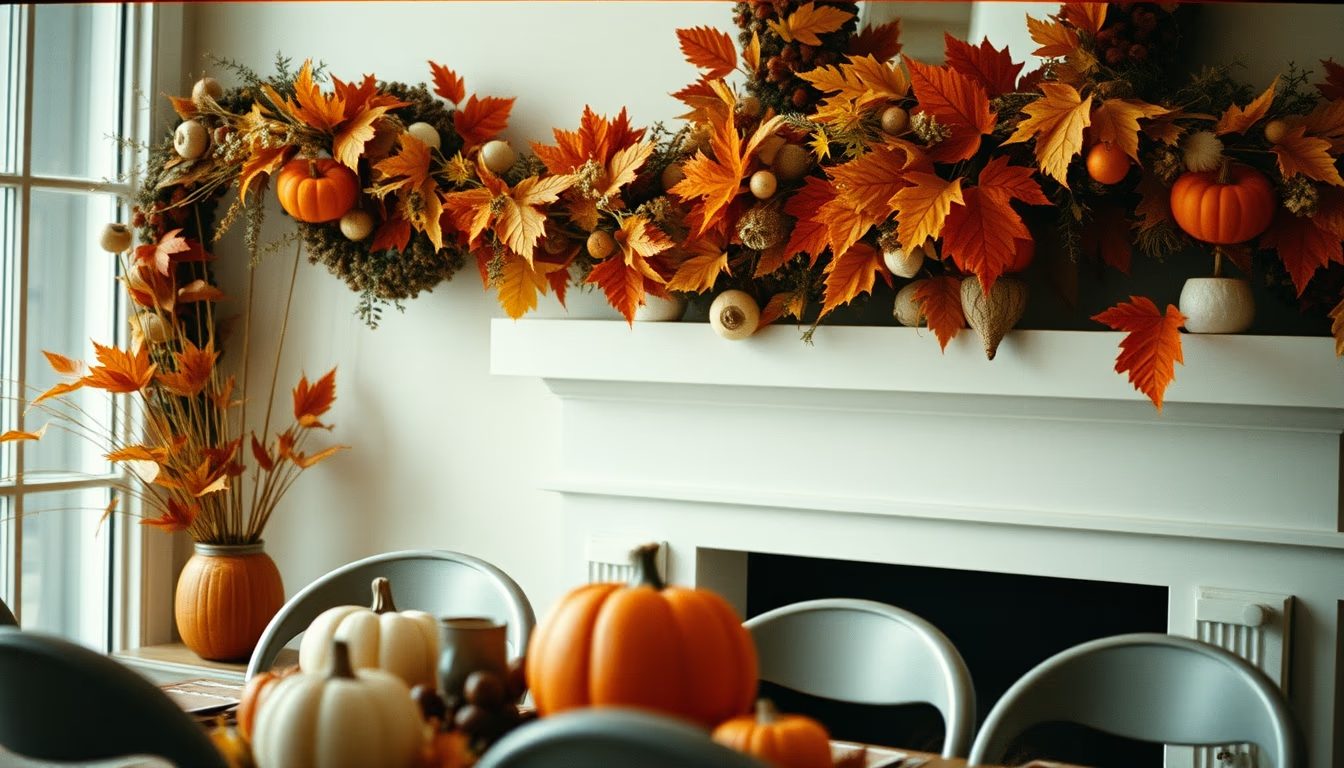
Thanksgiving harvest decoration
1344×768 · AVIF · CC BY 4.0
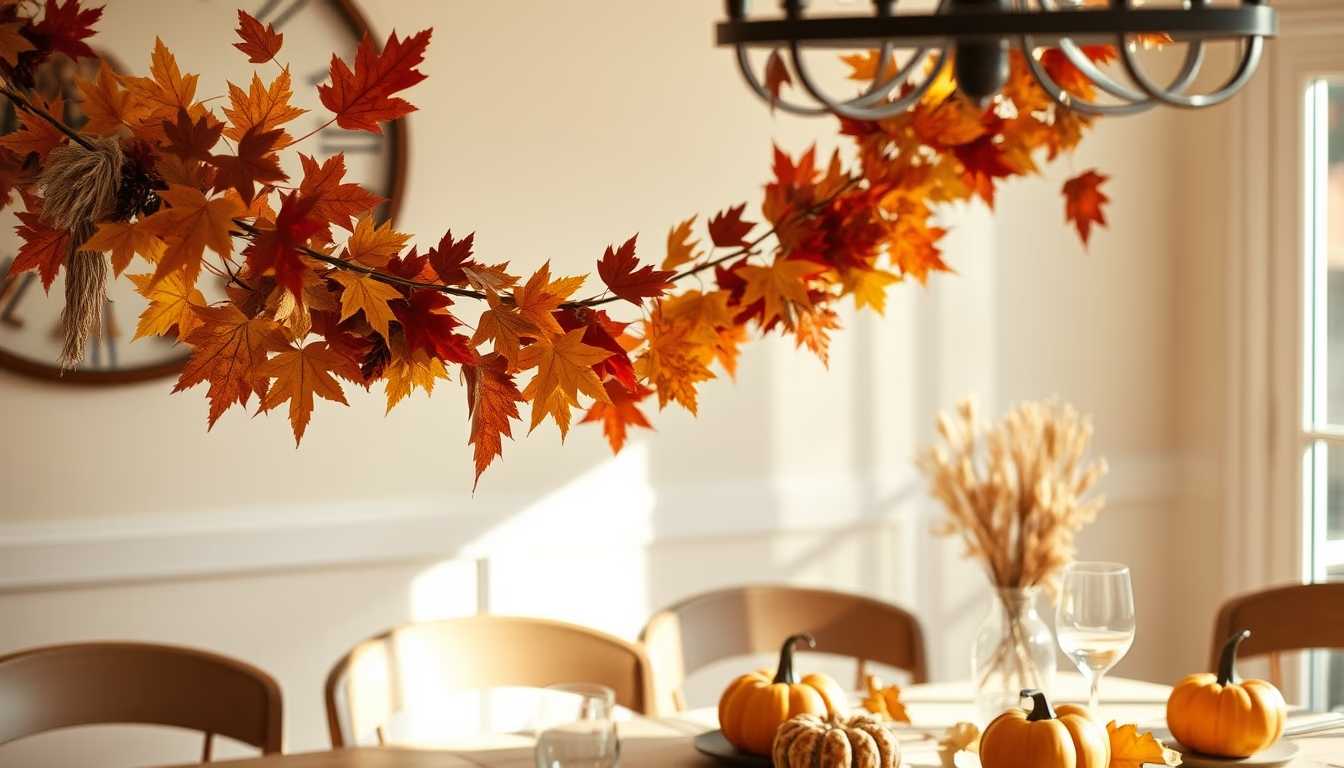
A Thanksgiving harvest decoration is a traditional arrangement celebrating abundance and gratitude, featuring pumpkins, corn, and seasonal fruits.
About this subject
Thanksgiving harvest decorations are a quintessential part of North American autumn celebrations, symbolizing the bounty of the harvest. Typical elements include pumpkins, gourds, Indian corn (colorful maize), dried leaves, and a cornucopia a horn-shaped basket overflowing with fruits and vegetables. These displays are placed on dining tables, mantels, and entryways in homes, churches, and public spaces, reinforcing themes of gratitude and abundance.
The cornucopia's origins trace back to Greek mythology, where it was associated with the goddess Demeter and the horn of the goat Amalthea, which provided endless nourishment. In American tradition, the cornucopia became popular in the 19th century as a symbol of the New World's prosperity. The modern harvest decoration blends European customs, such as autumn wreaths, with Native American contributions, including the use of maize and pumpkins, which were cultivated by Indigenous peoples before European arrival.
Culturally, these decorations connect families to the historical first Thanksgiving in 1621, when Pilgrims and Wampanoag people shared a feast after a successful harvest. Today, harvest decorations also serve as seasonal interior design, ranging from simple table centerpieces to elaborate displays at community festivals. The use of heirloom pumpkins, multicolored corn, and dried flowers highlights regional agricultural diversity and the creative spirit of fall decorating.
Frequently Asked Questions
What are common elements in a Thanksgiving harvest decoration?
Pumpkins, ornamental gourds, Indian corn (colorful maize), dried leaves, fruits like apples and pears, and a cornucopia a horn-shaped basket overflowing with harvest produce.
What is the history behind the cornucopia?
The cornucopia, or horn of plenty, originates from Greek mythology, representing the horn of the goat Amalthea that nourished the god Zeus. It was adopted in the U.S. during the 19th century as a symbol of prosperity and a bountiful harvest.
How do modern Thanksgiving decorations differ from traditional ones?
Modern decorations often feature non-edible pumpkins, heirloom corn varieties, and minimalist design, while traditional ones focused on farm-harvested items like edible pumpkins and dried corn stalks.
Direct URL
https://pub-c7d6a6ea828543ac903a74a341ccb2e1.r2.dev/imagens/thanksgiving-harvest-decoration-documentary-photography-fresh6.avifHow to credit
Include a visible link back to UtilizAí. Copy one of the snippets below:
<a href="https://xn--utiliza-eza.com/en/midia/imagens/thanksgiving-harvest-decoration-documentary-photography-fresh6">Thanksgiving harvest decoration</a> by <a href="https://xn--utiliza-eza.com">UtilizAí</a>, licensed under <a href="https://creativecommons.org/licenses/by/4.0/">CC BY 4.0</a>.
[Thanksgiving harvest decoration](https://xn--utiliza-eza.com/en/midia/imagens/thanksgiving-harvest-decoration-documentary-photography-fresh6) by [UtilizAí](https://xn--utiliza-eza.com), CC BY 4.0
License: CC-BY-4.0