Thanksgiving harvest decoration
1344×768 · AVIF · CC BY 4.0
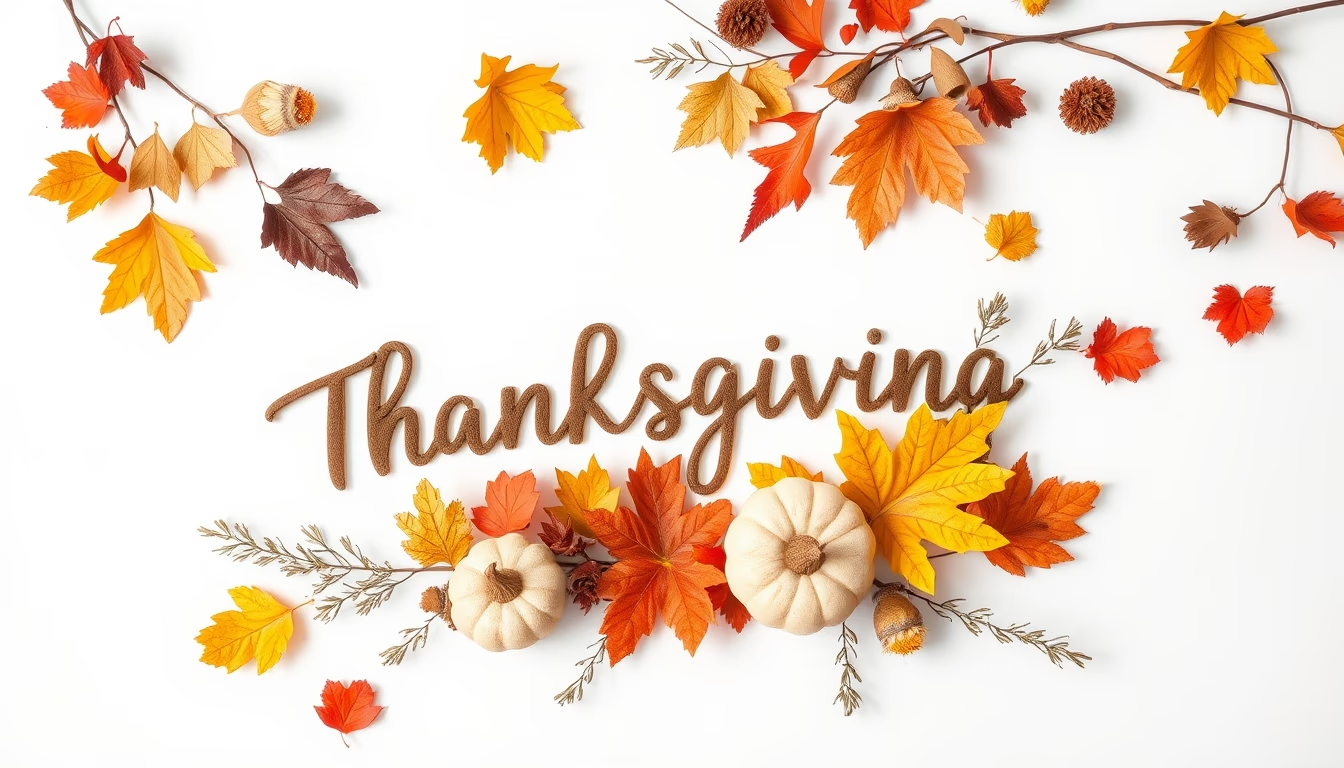
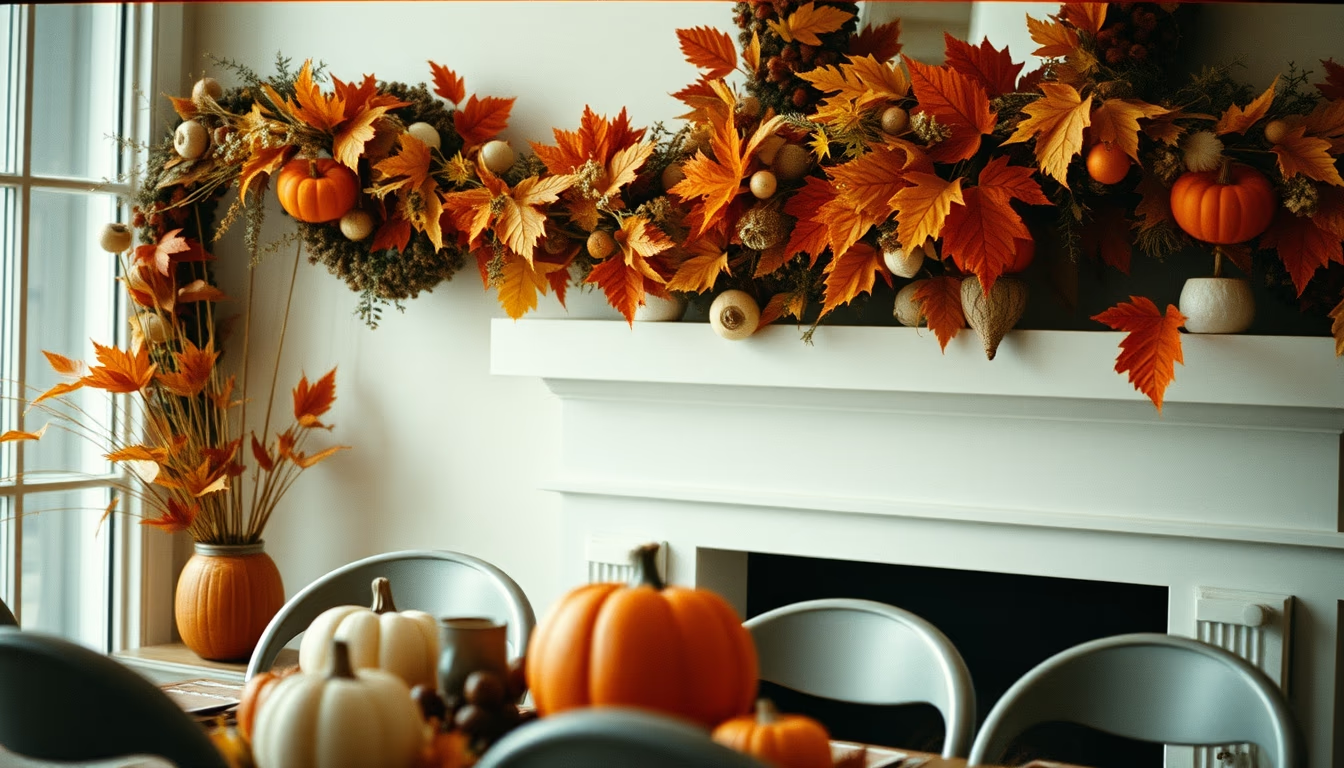
Thanksgiving harvest decorations bring together corn, pumpkins, and dried leaves to celebrate gratitude and abundance.
About this subject
Thanksgiving harvest decorations are a central element of the celebration in the United States and Canada, symbolizing gratitude for the fruits of the earth. Traditionally, they include items such as colorful ears of corn, assorted pumpkins, apples, dried autumn leaves, and wheat. These arrangements can be seen on dining tables, mantels, and home entrances, creating a welcoming atmosphere that reflects the agricultural heritage of the Pilgrim settlers and Native peoples. The practice dates back to the 17th century, when the first Thanksgiving was held in 1621 by the Plymouth colonists and the Wampanoag as a harvest feast. Today, decorations also incorporate elements like candles, earthy-toned tablecloths, and centerpieces made of gourds, evoking rusticity and abundance. In the United States, Thanksgiving is celebrated on the fourth Thursday of November, while in Canada, it takes place on the second Monday of October. The choice of decorative elements varies regionally, but the emphasis is always on seasonal produce and connection to nature. Additionally, decorative corn, often called Indian corn, is an important symbol, recalling indigenous farming techniques that the Pilgrims learned. Pumpkins, in turn, are associated both with the harvest and the tradition of pumpkin pie, a typical Thanksgiving dish. The predominant colors are orange, brown, yellow, and red, reflecting autumn leaves. Harvest decoration not only beautifies the space but also serves as a visual reminder of the values of gratitude and sharing that are at the heart of the celebration.
Frequently Asked Questions
What are the most common elements in a Thanksgiving harvest decoration?
Common elements include colorful ears of corn (Indian corn), pumpkins, gourds, apples, dried autumn leaves, wheat stalks, and candles. These items are often arranged in centerpieces or baskets.
Why is Indian corn used in Thanksgiving decorations?
Indian corn, with its vibrant colors, symbolizes the harvest and the agricultural knowledge of Native American peoples, who taught Pilgrims to grow corn. It also represents the variety of foods that made the celebration possible.
How does Thanksgiving harvest decoration differ between the United States and Canada?
Both countries use similar seasonal elements, but the dates differ: in the U.S. it is in November, in Canada in October. In Canada, decorations may include more fruits like cranberries, while in the U.S. there is a strong tradition of displaying Indian corn and pumpkins.
Direct URL
https://pub-c7d6a6ea828543ac903a74a341ccb2e1.r2.dev/imagens/thanksgiving-harvest-decoration-commercial-product-photography-fresh14.avifHow to credit
Include a visible link back to UtilizAí. Copy one of the snippets below:
<a href="https://xn--utiliza-eza.com/en/midia/imagens/thanksgiving-harvest-decoration-commercial-product-photography-fresh14">Thanksgiving harvest decoration</a> by <a href="https://xn--utiliza-eza.com">UtilizAí</a>, licensed under <a href="https://creativecommons.org/licenses/by/4.0/">CC BY 4.0</a>.
[Thanksgiving harvest decoration](https://xn--utiliza-eza.com/en/midia/imagens/thanksgiving-harvest-decoration-commercial-product-photography-fresh14) by [UtilizAí](https://xn--utiliza-eza.com), CC BY 4.0
License: CC-BY-4.0