Thanksgiving harvest decoration
1344×768 · AVIF · CC BY 4.0
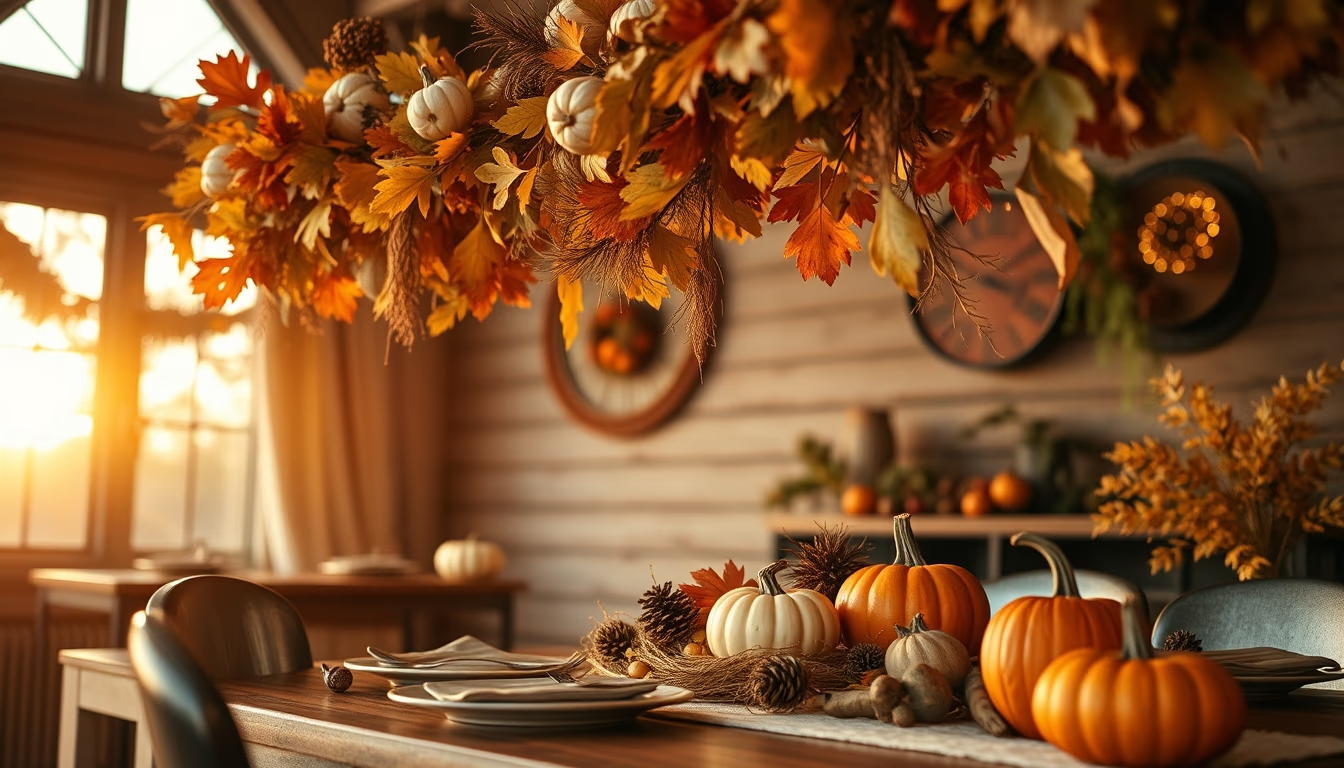
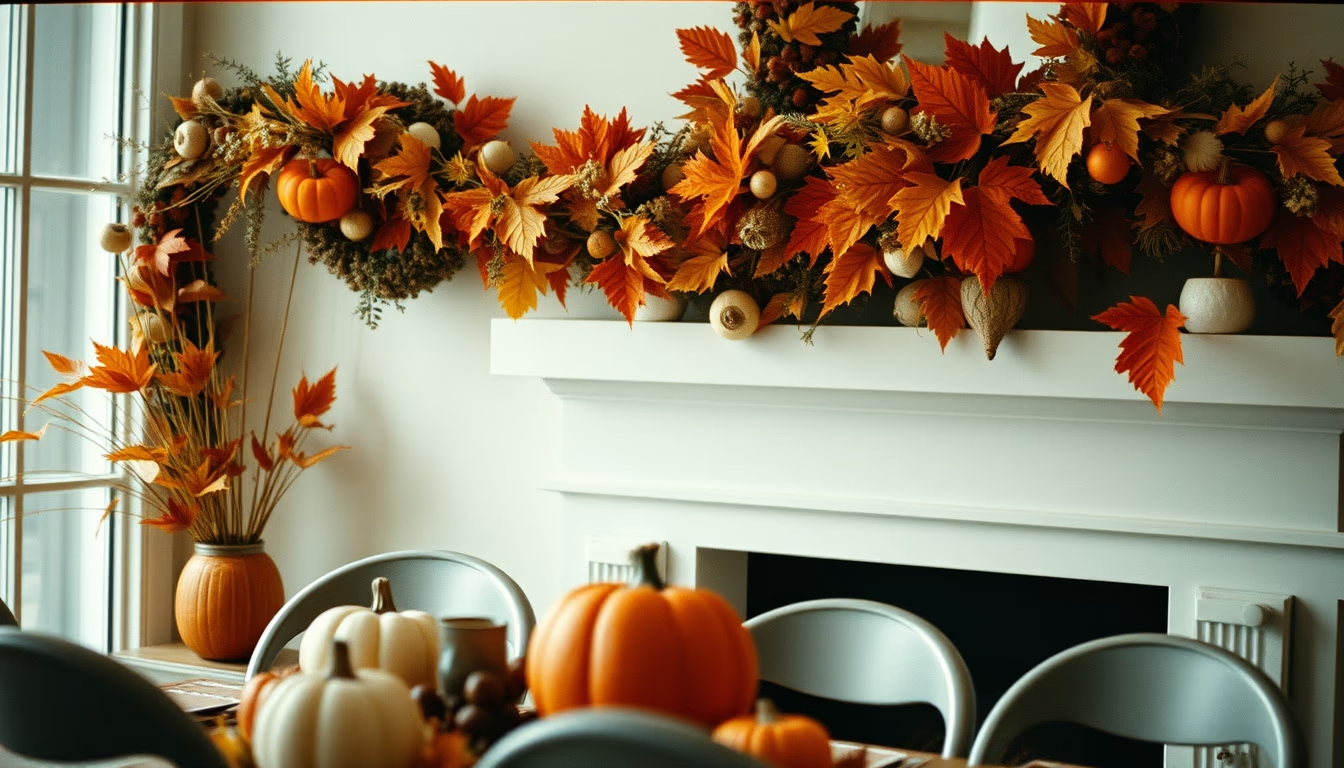
Thanksgiving harvest decoration featuring pumpkins, corn, and autumn leaves in a traditional North American arrangement.
About this subject
Thanksgiving, celebrated in the United States on the fourth Thursday of November and in Canada on the second Monday of October, is a festival rooted in the early English settlers' 1621 harvest feast in Plymouth. Typical decorations incorporate autumnal harvest elements: pumpkins of various types, dried corn, colorful ears of Indian corn, fallen leaves, pinecones, and the cornucopia, a symbol of abundance from Greek mythology. These items are arranged as centerpieces, wreaths, and displays that evoke gratitude for the bounty.
In the United States, Thanksgiving decor often features earthy-toned tablecloths, candles, and rustic utensils. The cornucopia, usually woven from wicker, is filled with fruits, nuts, and grains, representing fertility and prosperity. Ornamental pumpkins, such as 'Jack-o'-lantern' and 'Cinderella' varieties, are used both in recipes and as decorations, while Indian corn (colored maize) recalls Indigenous traditions. Dried maple and oak leaves add texture and vibrant hues.
Interestingly, the iconic turkey is actually not native to North America? Wild turkeys were domesticated by the Aztecs in Mexico, taken to Europe in the 16th century, and later reintroduced to the continent. Thanksgiving decor reflects this cultural blend, combining European, Native American, and contemporary symbols. In 2023, over 46 million turkeys were consumed on the holiday in the U.S., according to the National Turkey Federation, but decorations remain a visual tribute to harvest and family togetherness.
Frequently Asked Questions
What are the most common elements in Thanksgiving decoration?
Pumpkins, Indian corn, dried leaves, pinecones, cornucopias, and candles are typical. They often include wheat stalks and fruits like apples and pomegranates.
Why is the cornucopia a symbol of Thanksgiving?
The cornucopia, or horn of plenty, originates from Greek mythology and represents fertility and abundance. It was adopted as an emblem of the generous harvest the holiday celebrates.
Have Thanksgiving decorations changed over time?
Yes. In the 19th century, decorations were simpler, using fruits and nuts. From the 20th century onward, with the industrialization of ornaments, plastic and fabric items appeared, but the rustic natural style still prevails.
Direct URL
https://pub-c7d6a6ea828543ac903a74a341ccb2e1.r2.dev/imagens/thanksgiving-harvest-decoration-cinematic-wide-shot-fresh7.avifHow to credit
Include a visible link back to UtilizAí. Copy one of the snippets below:
<a href="https://xn--utiliza-eza.com/en/midia/imagens/thanksgiving-harvest-decoration-cinematic-wide-shot-fresh7">Thanksgiving harvest decoration</a> by <a href="https://xn--utiliza-eza.com">UtilizAí</a>, licensed under <a href="https://creativecommons.org/licenses/by/4.0/">CC BY 4.0</a>.
[Thanksgiving harvest decoration](https://xn--utiliza-eza.com/en/midia/imagens/thanksgiving-harvest-decoration-cinematic-wide-shot-fresh7) by [UtilizAí](https://xn--utiliza-eza.com), CC BY 4.0
License: CC-BY-4.0