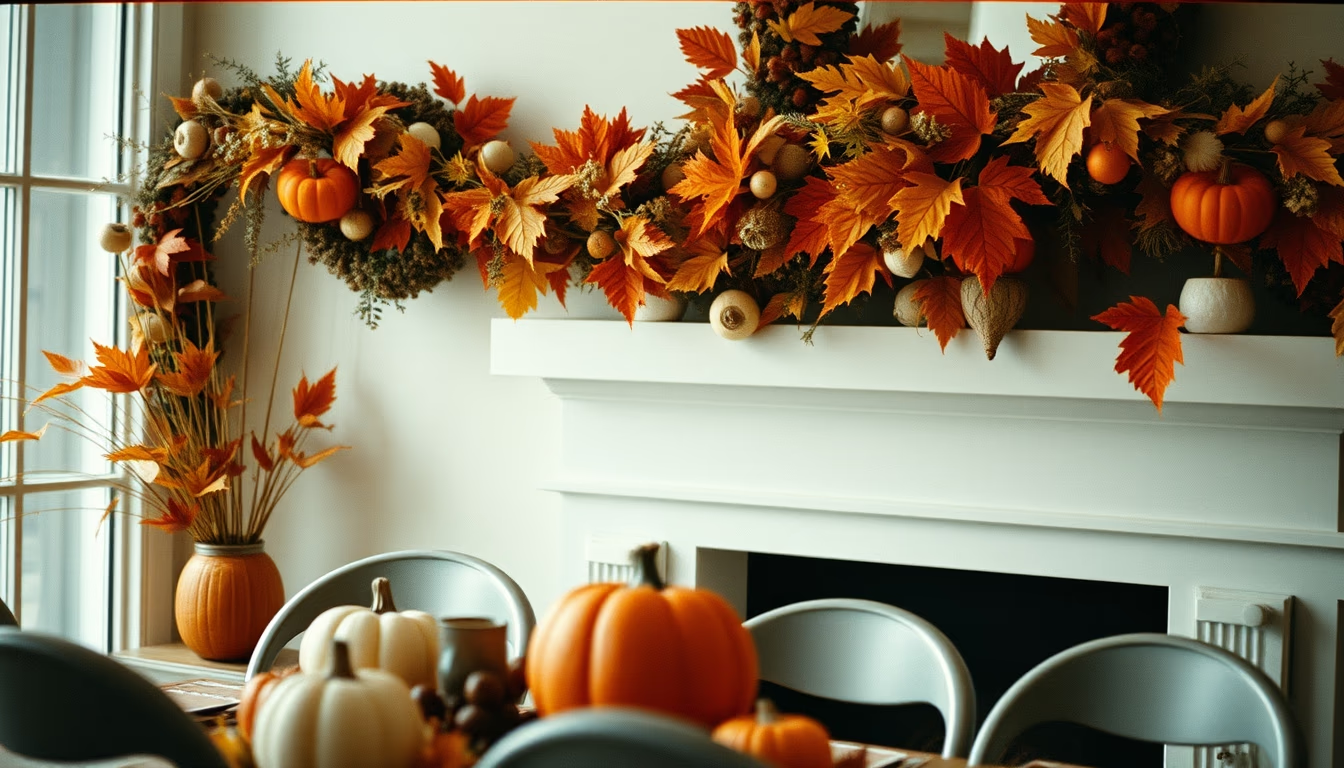
Thanksgiving harvest decoration
1344×768 · AVIF · CC BY 4.0
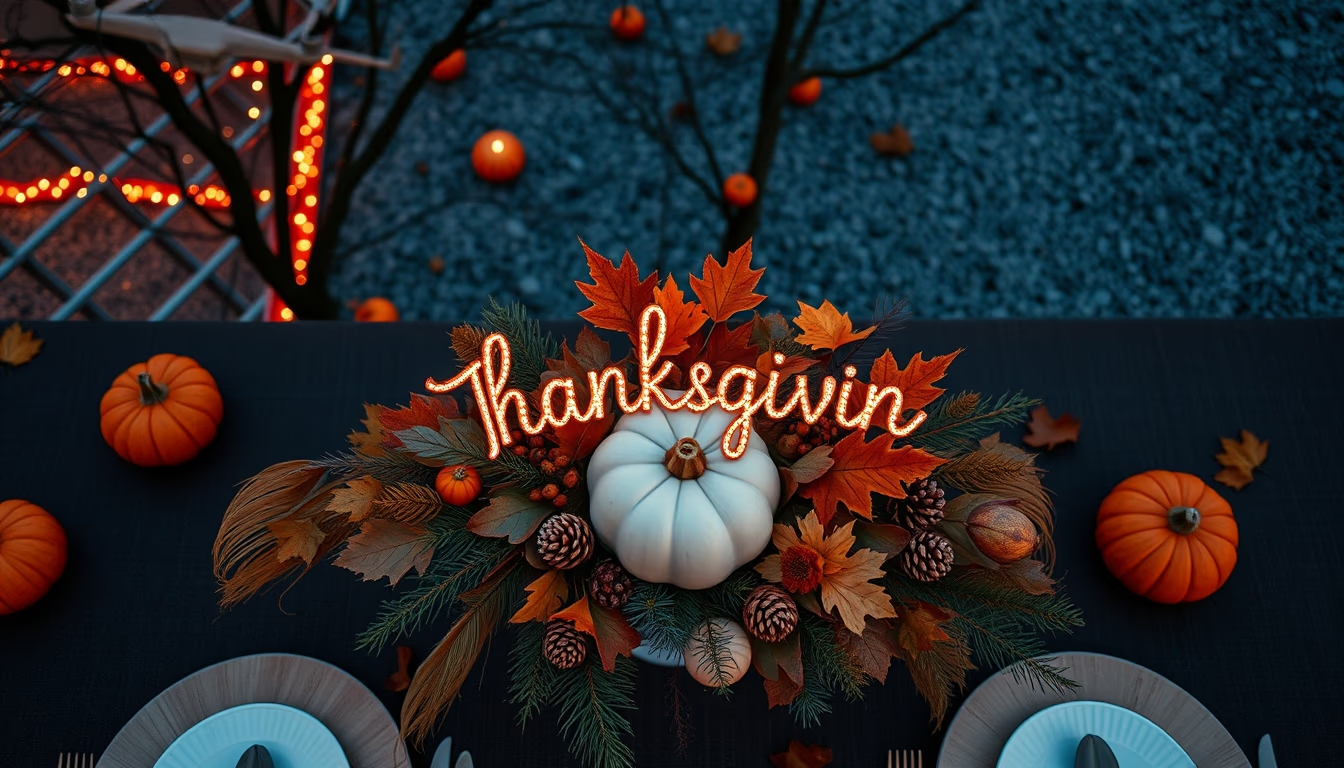
Thanksgiving harvest decoration, featuring pumpkins, corn, and dried leaves, symbolizes gratitude and abundance in the North American autumn.
About this subject
Thanksgiving, celebrated on the fourth Thursday of November in the United States, traces its roots to the 1621 harvest feast shared by the Pilgrims of Plymouth. Traditional harvest decorations include pumpkins, corn, apples, dried leaves, and straw, arranged in cornucopias or centerpieces. These items are not merely decorative: each carries symbolic meaning. The pumpkin, for example, represents the harvest and abundance, while corn signifies survival and the fertility of the land.
Harvest decorations are set up both in homes and public spaces such as churches and schools. Families often pick their own vegetables at local farms, a practice that reinforces the connection to agriculture and gratitude for food. At autumn fairs, it is common to see giant hay and straw bales, along with pumpkin sculptures. The tradition also influences cuisine: pumpkin is used in pies and soups, and corn in breads and side dishes.
Interestingly, modern Thanksgiving was officially established as a national holiday by Abraham Lincoln in 1863, during the Civil War, as a way to unify the country. Harvest decorations gained popularity in the 20th century as Thanksgiving became a family-centered holiday. Today, stores dedicate entire sections to Thanksgiving-themed items, and there are neighborhood decoration contests. The earthy color palette (orange, brown, yellow) dominates, evoking autumn and the transition to winter.
In countries like Canada, which celebrates Thanksgiving on the second Monday of October, similar harvest decorations are used. The tradition of expressing gratitude for a bountiful harvest resonates globally, even in places where Thanksgiving is not a holiday. The symbolism of pumpkins, gourds, and corn connects people to seasonal cycles and agricultural heritage, making it a universal theme of appreciation for nature's gifts.
Frequently Asked Questions
Why are pumpkins and corn used in Thanksgiving decorations?
Pumpkins and corn are symbols of the autumn harvest. They represent abundance, fertility, and gratitude for the food that sustained the colonists after the first harsh winter.
When did Thanksgiving become a national holiday in the US?
It was declared a national holiday by President Abraham Lincoln in 1863, during the Civil War, to promote unity and gratitude among citizens.
Are harvest decorations common for Thanksgiving in Canada?
Yes, Canada celebrates Thanksgiving on the second Monday of October, with similar decorations featuring pumpkins, corn, and leaves, though the date aligns with the end of the Canadian harvest.
Direct URL
https://pub-c7d6a6ea828543ac903a74a341ccb2e1.r2.dev/imagens/thanksgiving-harvest-decoration-aerial-drone-shot-fresh9.avifHow to credit
Include a visible link back to UtilizAí. Copy one of the snippets below:
<a href="https://xn--utiliza-eza.com/en/midia/imagens/thanksgiving-harvest-decoration-aerial-drone-shot-fresh9">Thanksgiving harvest decoration</a> by <a href="https://xn--utiliza-eza.com">UtilizAí</a>, licensed under <a href="https://creativecommons.org/licenses/by/4.0/">CC BY 4.0</a>.
[Thanksgiving harvest decoration](https://xn--utiliza-eza.com/en/midia/imagens/thanksgiving-harvest-decoration-aerial-drone-shot-fresh9) by [UtilizAí](https://xn--utiliza-eza.com), CC BY 4.0
License: CC-BY-4.0