Temaki cone sushi
1344×768 · AVIF · CC BY 4.0
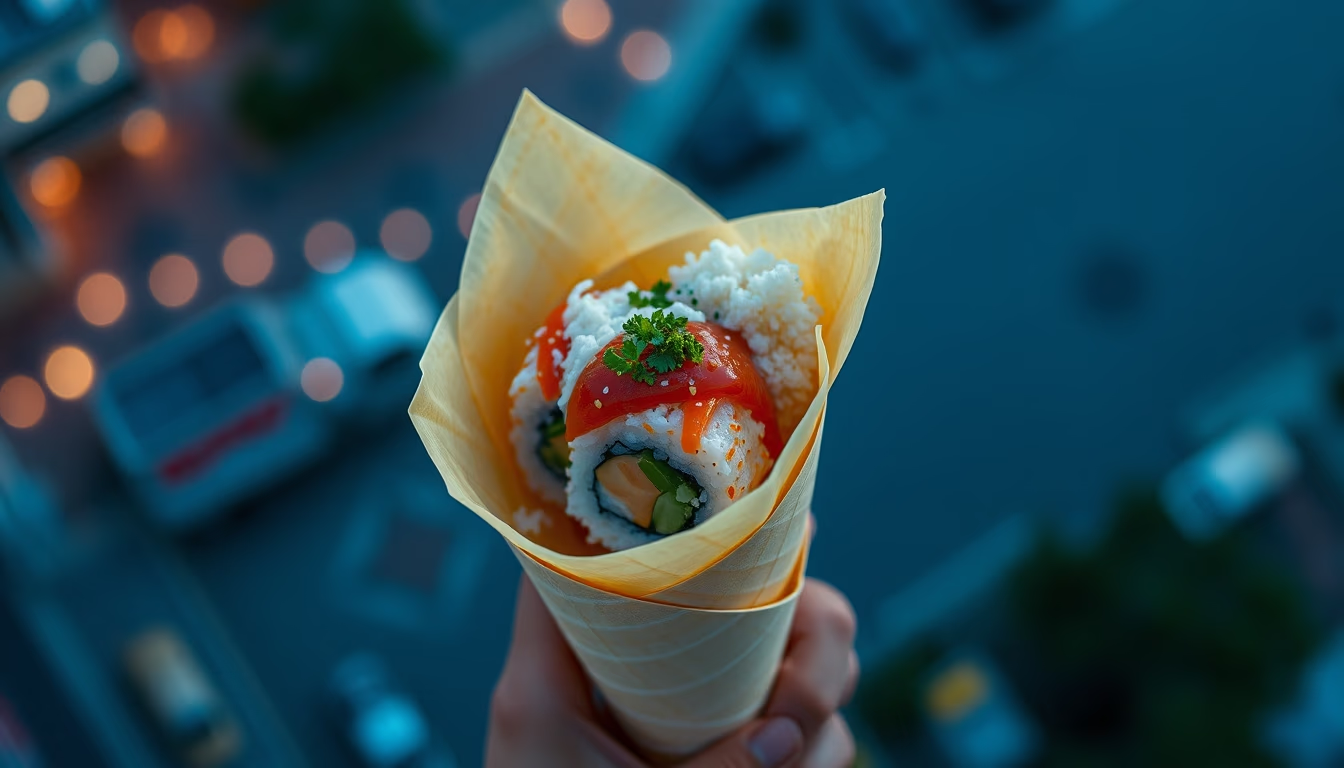
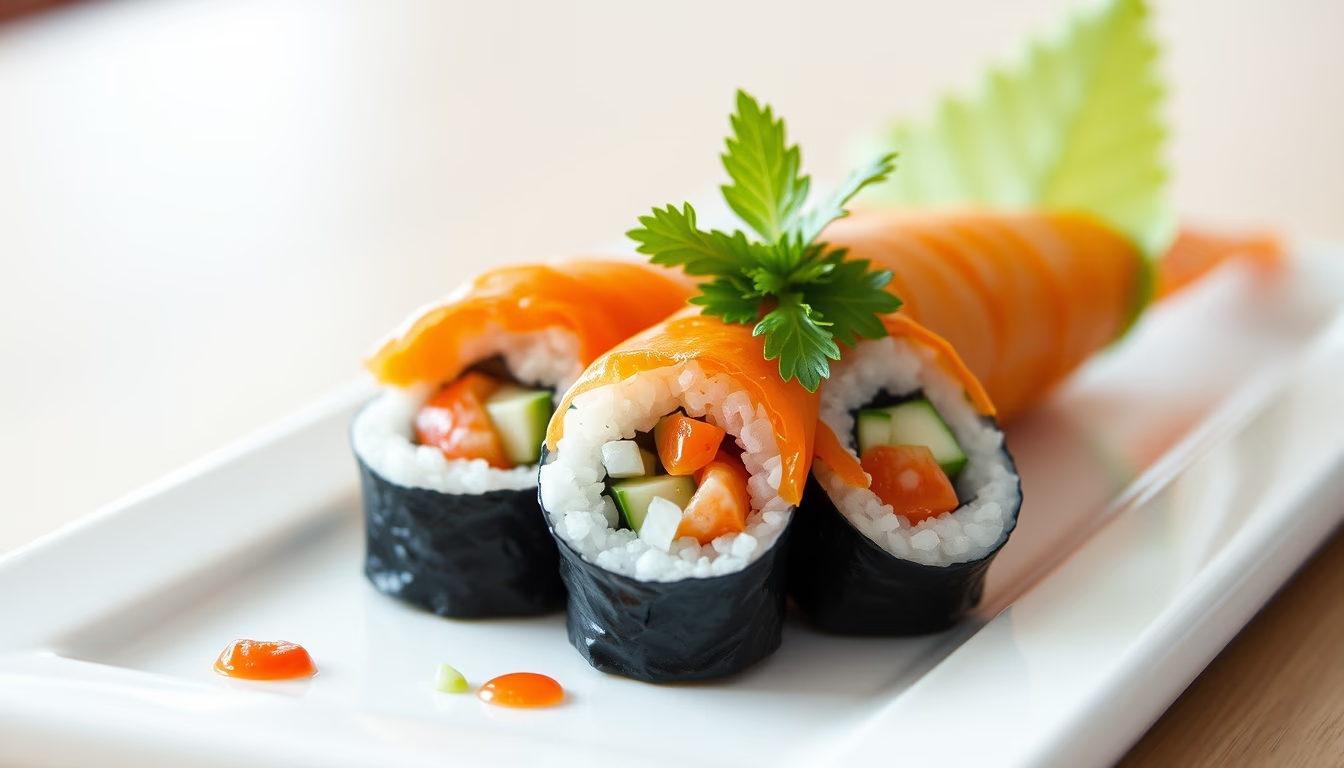
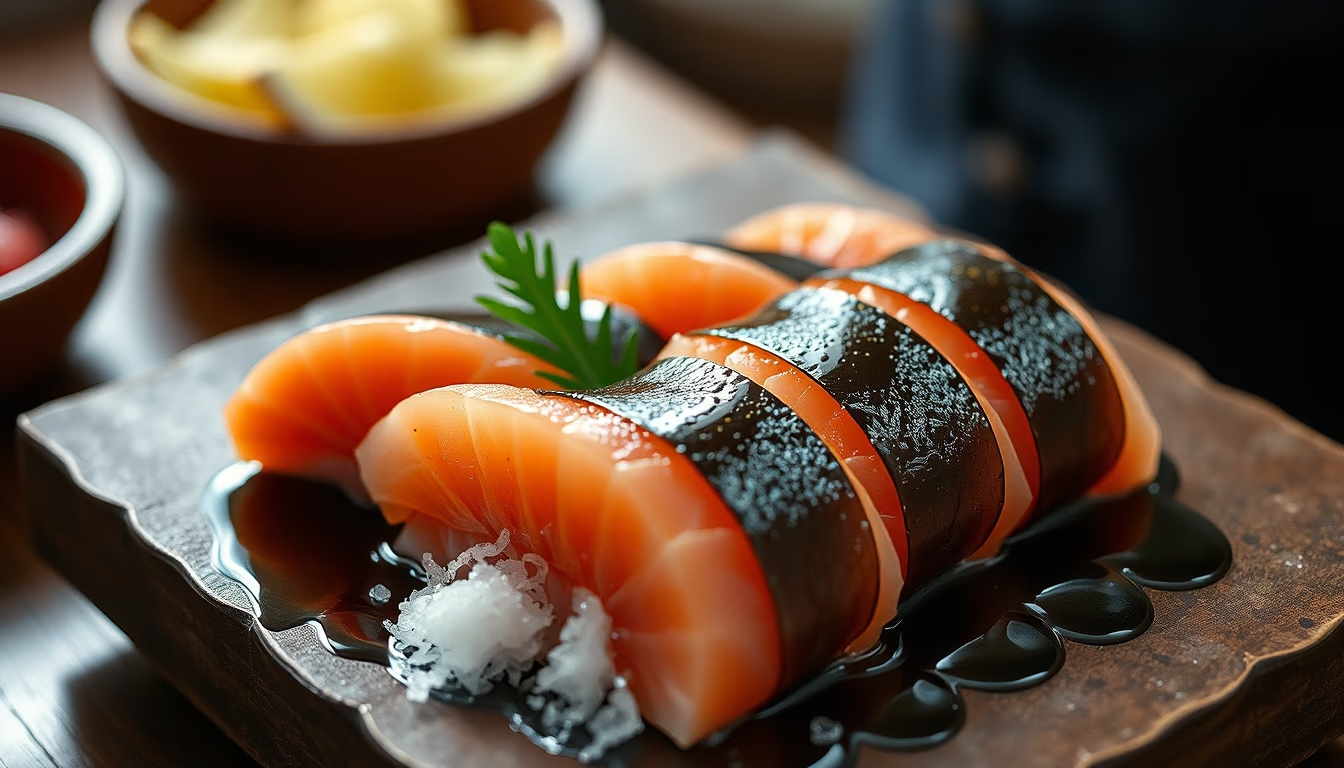
Temaki is a cone-shaped sushi filled with rice, raw fish, and vegetables, wrapped in nori seaweed, known for its convenience and fresh taste.
About this subject
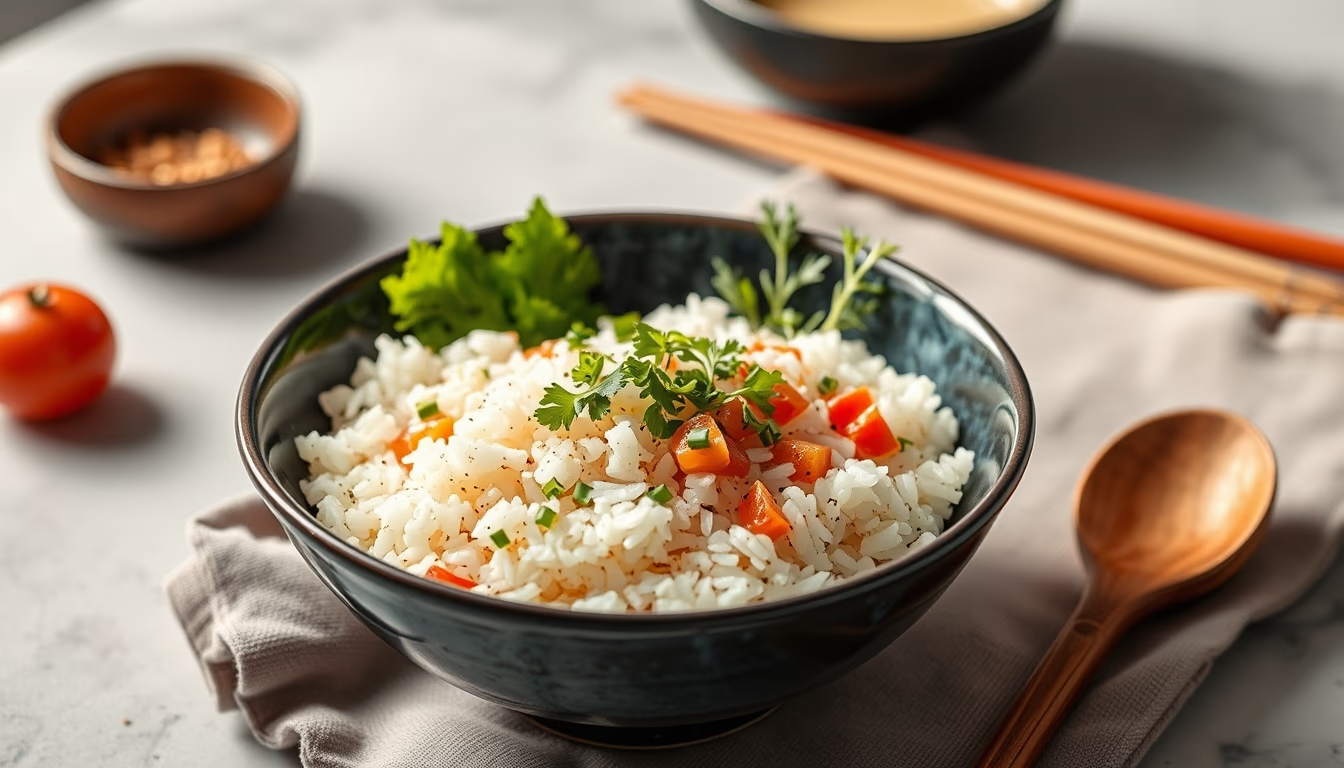
Temaki, also known as cone sushi, is one of the most popular variations of Japanese sushi. Unlike traditional nigiri or maki, temaki is prepared by rolling a sheet of nori seaweed into a cone shape, which is then filled with seasoned rice (sushi-meshi) and a combination of fresh ingredients like salmon, tuna, kani, cucumber, mango, or cream cheese. Its origins trace back to the Edo period in Japan, when street vendors sought a practical way to serve sushi without utensils. The conical shape exposes the filling, highlighting the visual presentation and texture of the ingredients.
In Brazil, temaki gained immense popularity from the 1990s onwards, especially in Japanese cuisine restaurants and all-you-can-eat rodízios. The Brazilian version often incorporates ingredients like cream cheese, grilled salmon, and even tropical fruits, adapting to local tastes. Temaki is typically eaten with hands, and each cone is made to order to ensure the crispness of the seaweed and the ideal temperature of the rice. An interesting fact is that in Japan, temaki is more common at informal occasions or festivals, while in the West it is a frequent item on upscale restaurant menus.
Preparing temaki requires skill to prevent the cone from falling apart. The nori must stay crispy, and the rice should not be too hot. Traditional fillings include raw salmon with scallions and sesame, chopped tuna with ponzu sauce, or vegetarian versions with shimeji mushrooms and avocado. Nutritionally, temaki offers a balanced meal: carbohydrates from rice, proteins from fish, and healthy fats from avocado or salmon. In 2023, a Sebrae survey showed that temaki ranks among the top 10 most ordered dishes in Brazilian Japanese restaurants, proving its cultural and economic significance.
Frequently Asked Questions
What is the difference between temaki and uramaki?
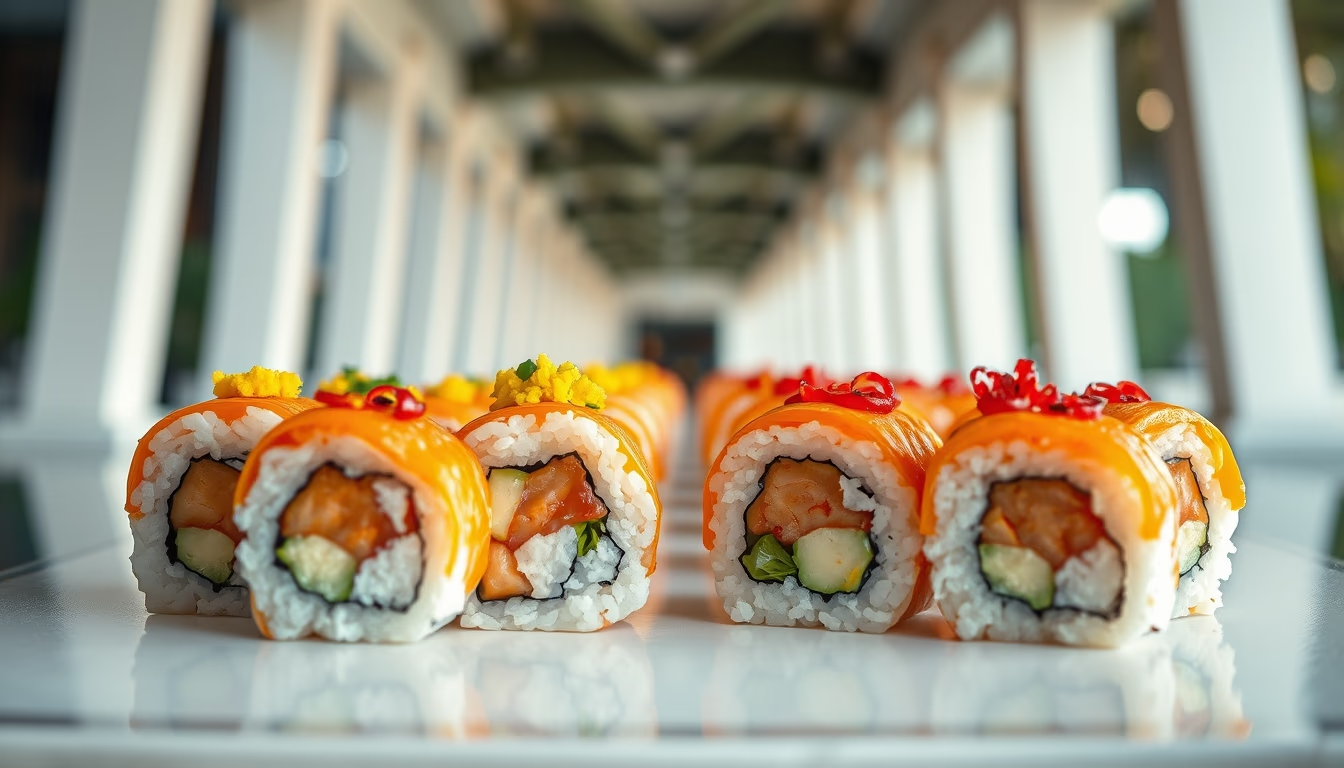
Temaki is cone-shaped and hand-rolled with seaweed on the outside. Uramaki is a cylindrical roll with rice on the outside and seaweed inside, sliced into pieces. Temaki is eaten fresh and individually, while uramaki is served in rounds.
Is temaki healthy?
Yes, temaki can be a healthy option as it contains rice, omega-3-rich fish, vegetables, and nori seaweed, a source of iodine and fiber. However, versions with cream cheese or fried ingredients may increase calories and fat.
How should I eat temaki?
Temaki should be eaten with your hands, holding the base of the cone, and taken in bites. Using chopsticks is not recommended as the cone may fall apart. The nori loses its crispness quickly, so it is best to consume immediately after preparation.
Direct URL
https://pub-c7d6a6ea828543ac903a74a341ccb2e1.r2.dev/imagens/temaki-cone-sushi-aerial-drone-shot-fresh7.avifHow to credit
Include a visible link back to UtilizAí. Copy one of the snippets below:
<a href="https://xn--utiliza-eza.com/en/midia/imagens/temaki-cone-sushi-aerial-drone-shot-fresh7">Temaki cone sushi</a> by <a href="https://xn--utiliza-eza.com">UtilizAí</a>, licensed under <a href="https://creativecommons.org/licenses/by/4.0/">CC BY 4.0</a>.
[Temaki cone sushi](https://xn--utiliza-eza.com/en/midia/imagens/temaki-cone-sushi-aerial-drone-shot-fresh7) by [UtilizAí](https://xn--utiliza-eza.com), CC BY 4.0
License: CC-BY-4.0