Teddy bear vintage worn
1344×768 · AVIF · CC BY 4.0
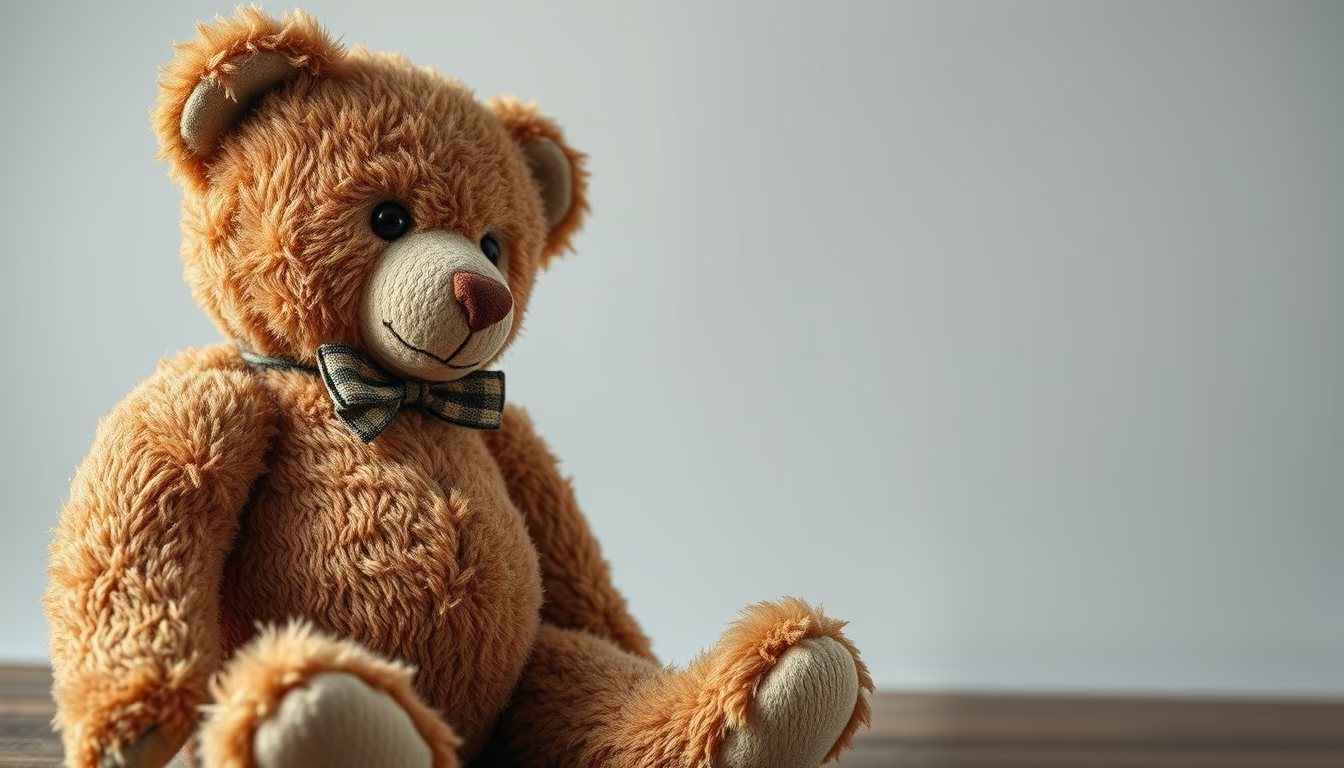
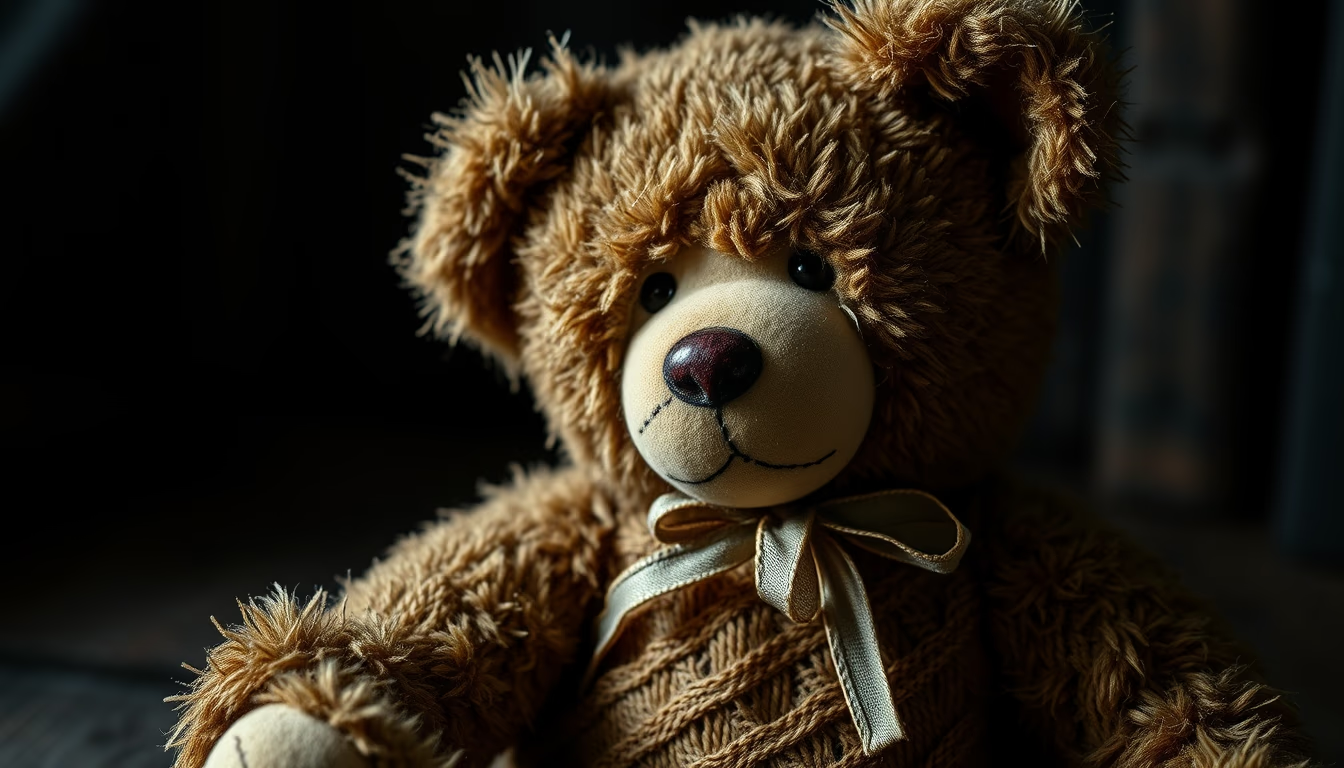
A vintage worn teddy bear reveals emotional memories and the history of 20th-century toys, prized by collectors.
About this subject
Teddy bears originated in the early 20th century, inspired by US President Theodore Roosevelt. In 1902, after a hunting trip where Roosevelt refused to shoot a tied-up bear, cartoonist Clifford Berryman illustrated the event, and the toy was nicknamed "Teddy's bear." Popularity soared, with companies like Germany's Steiff and America's Ideal Toy Company producing the first models.
Vintage teddy bears, especially those made between 1900 and 1950, were crafted from materials like mohair (Angora goat hair), felt for paws, and stuffed with wood wool (excelsior) or horsehair. Over time, these materials wear, creating a patina that collectors value. Bears with natural wear, opaque glass eyes, and visible stitching are considered authentic and carry the history of their former owners.
The cultural significance of the teddy bear goes beyond toys. They were childhood companions during wars and economic hardships, symbols of comfort and affection. Vintage teddies also reflect manufacturing changes: Steiff bears, for example, have buttons in their ears as trademarks, while Ideal bears use button eyes. Rarity, condition, and provenance determine value in the collectible market, with some models fetching thousands of dollars at auction.
Interestingly, the teddy bear influenced pop culture through characters like Winnie the Pooh and Paddington Bear. In Brazil, teddies also marked generations, common on Children's Day. Preserving a vintage worn teddy bear keeps alive a tactile and emotional tradition that connects past and present.
Frequently Asked Questions
How to identify an original vintage teddy bear?
Check materials like mohair or felt, hand stitching, glass or button eyes, and straw stuffing. Brands like Steiff have a button in the ear. Natural wear and patina are signs of authenticity.
What is the value of a worn vintage teddy bear?
Value depends on rarity, condition, and provenance. Early 20th-century Steiff bears can be worth thousands of dollars. Significant damage reduces price, but light wear is accepted by collectors.
How to care for an old teddy bear?
Avoid washing with water. Use a vacuum with HEPA filter to remove dust and store in a dry place away from direct sunlight. For repairs, consult a professional antique toy restorer.
Direct URL
https://pub-c7d6a6ea828543ac903a74a341ccb2e1.r2.dev/imagens/teddy-bear-vintage-worn-studio-still-life-fresh5.avifHow to credit
Include a visible link back to UtilizAí. Copy one of the snippets below:
<a href="https://xn--utiliza-eza.com/en/midia/imagens/teddy-bear-vintage-worn-studio-still-life-fresh5">Teddy bear vintage worn</a> by <a href="https://xn--utiliza-eza.com">UtilizAí</a>, licensed under <a href="https://creativecommons.org/licenses/by/4.0/">CC BY 4.0</a>.
[Teddy bear vintage worn](https://xn--utiliza-eza.com/en/midia/imagens/teddy-bear-vintage-worn-studio-still-life-fresh5) by [UtilizAí](https://xn--utiliza-eza.com), CC BY 4.0
License: CC-BY-4.0