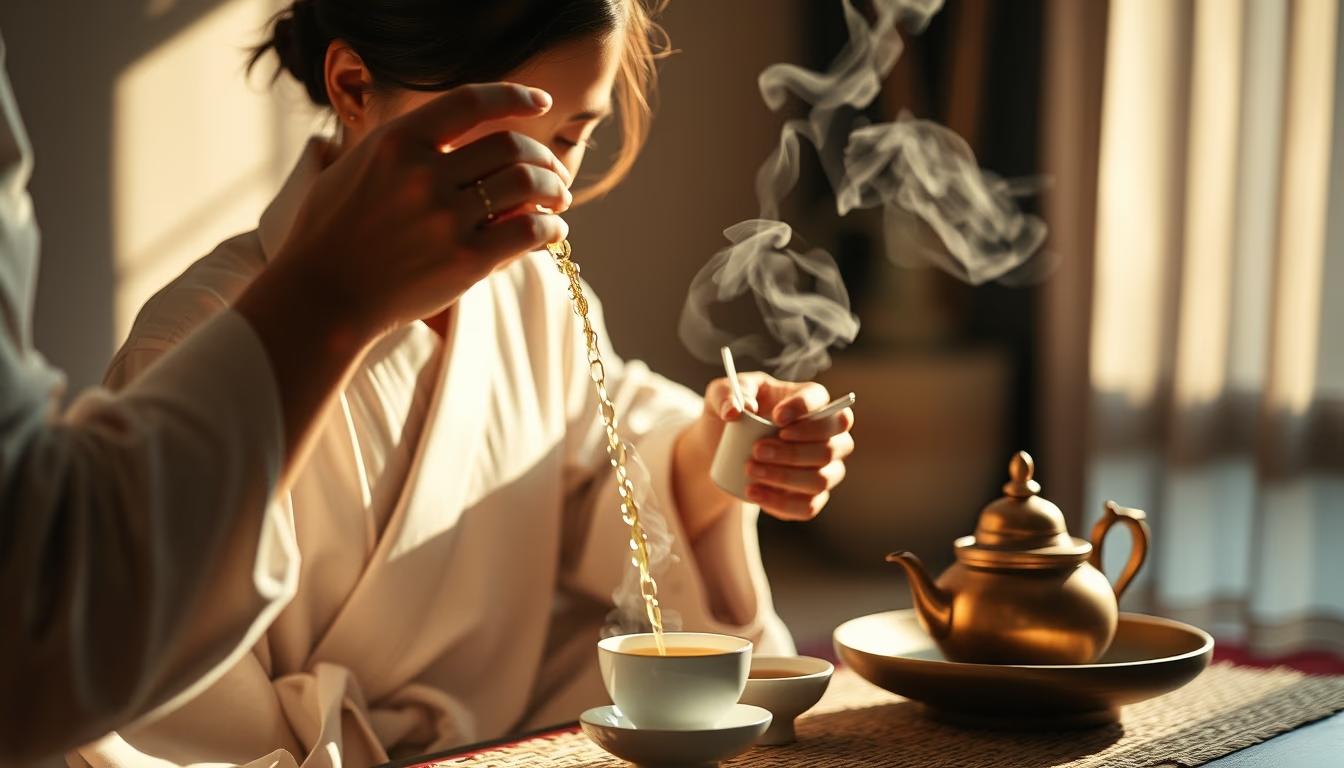
Tea ritual ceremony
1344×768 · AVIF · CC BY 4.0
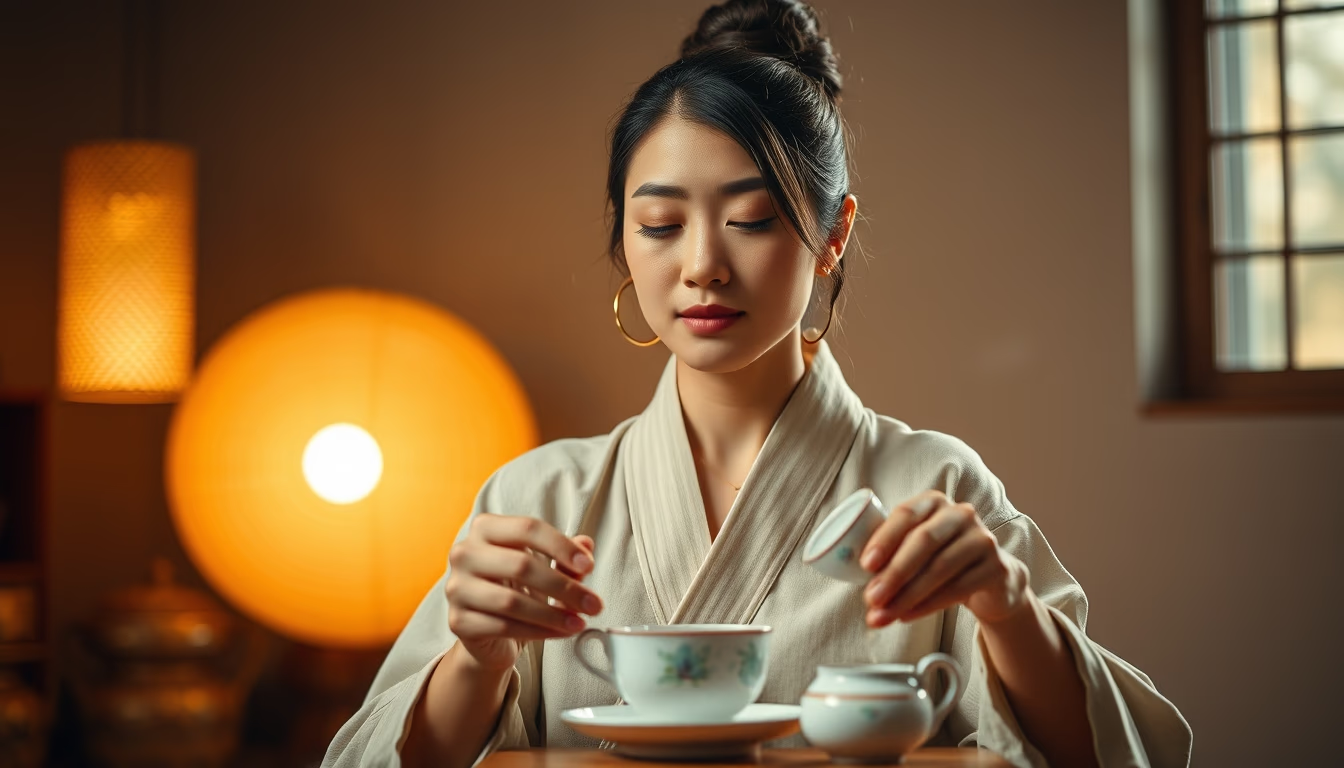
The tea ceremony is an ancient ritual symbolizing harmony, respect, and tranquility, present in various cultures around the world.
About this subject
The tea ceremony is a ritualistic practice that goes beyond simply preparing and drinking tea. Originating in China during the Tang dynasty (8th century), it was later refined in Japan, where it became an art known as Chanoyu or Sadō, meaning "the way of tea." This ritual incorporates Zen Buddhist principles such as simplicity, purity, and harmony with nature. Every movement, from cleaning the utensils to the way of serving, is performed with precision and meaning.
There are different traditions of tea ceremonies around the world. In Japan, the ceremony is highly codified, with specific schools like Urasenke and Omotesenke. In China, Gongfu Cha ("the art of tea") emphasizes sensory appreciation of the leaves and infusions. In Morocco, mint tea is served in a social ritual that symbolizes hospitality. In the United Kingdom, "afternoon tea" is a more informal tradition but equally rich in symbolism.
The tea ceremony is not just about the beverage; it is an exercise in mindfulness and interpersonal connection. Recent studies, such as those published in the Journal of Ethnopharmacology, indicate that green tea contains L-theanine, an amino acid that promotes relaxation without drowsiness. Regular practice of rituals like the tea ceremony can reduce stress and improve emotional well-being.
In 2024, UNESCO recognized the Chinese tea ceremony as an Intangible Cultural Heritage of Humanity, highlighting its importance for cultural identity and the transmission of ancestral knowledge. This global recognition has fueled a renewed interest in traditional tea preparation practices, especially among younger generations seeking authenticity and connection with the past.
Frequently Asked Questions
What is the origin of the tea ceremony?
The tea ceremony originated in China during the Tang dynasty (8th century) and was later refined in Japan, where it became a spiritual and aesthetic practice known as Chanoyu.
What are the most well-known types of tea ceremony?
The most well-known types include the Japanese ceremony (Chanoyu), Chinese Gongfu Cha, Moroccan mint tea, and British afternoon tea. Each has its own set of rituals and cultural meanings.
How can I perform a tea ceremony at home?
For a simplified version, choose quality tea, heat water to the right temperature, use clean utensils, and spend a few minutes quietly appreciating the aroma, color, and flavor of the tea while focusing on the present moment.
Direct URL
https://pub-c7d6a6ea828543ac903a74a341ccb2e1.r2.dev/imagens/tea-ritual-ceremony-studio-editorial-portrait-p1.avifHow to credit
Include a visible link back to UtilizAí. Copy one of the snippets below:
<a href="https://xn--utiliza-eza.com/en/midia/imagens/tea-ritual-ceremony-studio-editorial-portrait-p1">Tea ritual ceremony</a> by <a href="https://xn--utiliza-eza.com">UtilizAí</a>, licensed under <a href="https://creativecommons.org/licenses/by/4.0/">CC BY 4.0</a>.
[Tea ritual ceremony](https://xn--utiliza-eza.com/en/midia/imagens/tea-ritual-ceremony-studio-editorial-portrait-p1) by [UtilizAí](https://xn--utiliza-eza.com), CC BY 4.0
License: CC-BY-4.0