Tap shoes wooden floor
1344×768 · AVIF · CC BY 4.0
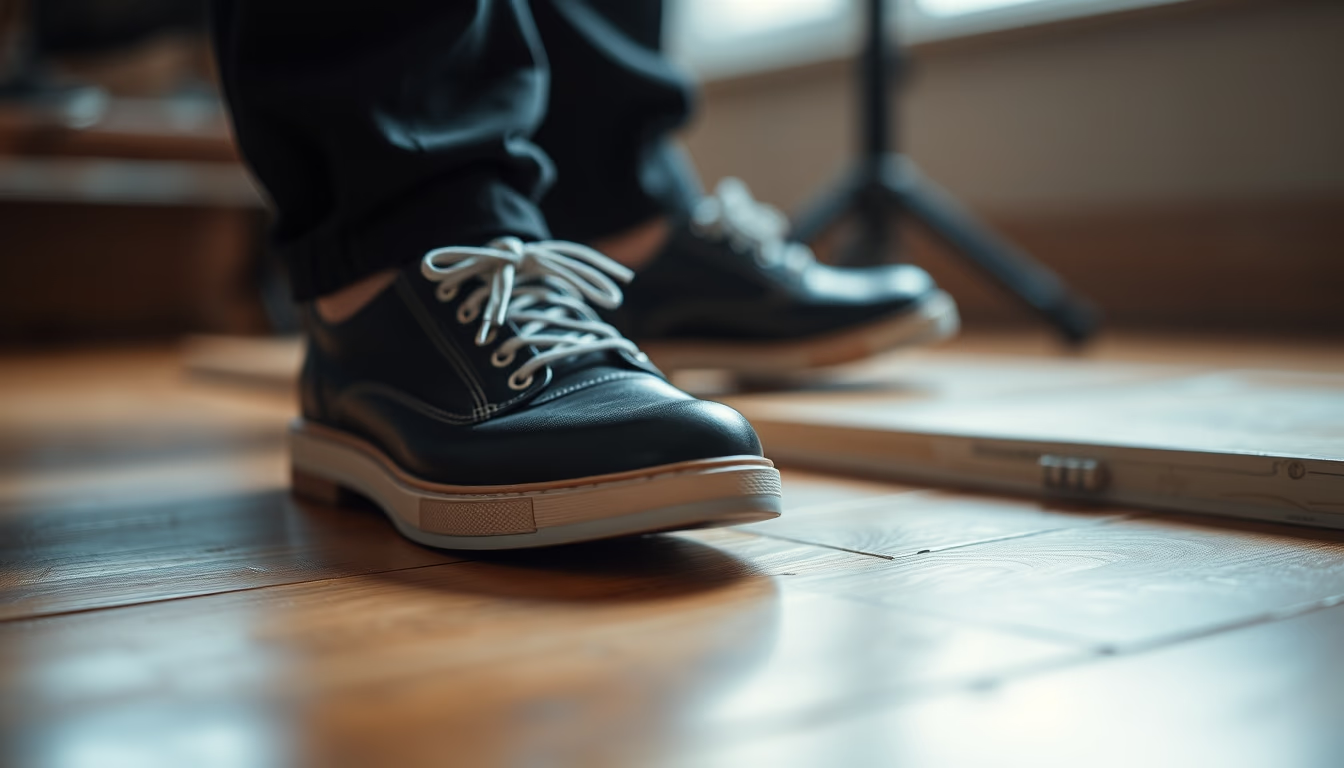
Tap shoes on a wooden floor in a tilt-shift scene, evoking the precision and history of this percussive dance form.
About this subject
Tap dance is a percussive dance form that turns the feet into musical instruments, emerging in the United States during the 19th century. It blends African, Irish, and English influences, creating a rhythmic dialogue between the dancer and the floor. The shoes have metal plates (taps) that strike the wood to produce varied sounds depending on technique. Though best known for its syncopated jazz rhythms, tap has spread globally, adapting to flamenco, hip-hop, and more. The tilt-shift effect, which miniaturizes the scene, hints at the discipline required to master fast, precise movements where every step tells a sonic story.
Historically, tap dance thrived on Broadway and in Hollywood musicals of the 1930s and 1940s, with icons like Fred Astaire and Gene Kelly. In Brazil, tap arrived around the 1950s and evolved in Rio de Janeiro, led by masters such as Acyr Pimentel and the Teatro Municipal's tap school. Brazilian techniques incorporate samba and choro, giving the style a playful, swinging character. In 2017, tap dance was recognized as a cultural manifestation by the São Paulo State Arts Council.
The wooden floor is crucial: oak, maple, and pine are preferred for resonance and durability. Professional dancers use different parts of the foot, toe, heel, side, to modulate timbre. Precision is so vital that classes often begin with clapping exercises before donning shoes. Festivals like Tap Dance International and World Tap Day unite practitioners from over 30 countries. The tilt-shift perspective visually shrinks the scene, reminding us that tap is a microcosm of coordination and musicality, where the body dialogues with space.
Trivia: the largest tap dance ensemble involved 3,322 dancers in Mumbai, India, in 2018. Tap is also used therapeutically for Parkinson's patients, improving motor coordination and rhythm. Each tap on wood carries centuries of evolution, from slave plantations to the world's grandest stages.
Frequently Asked Questions
What is the origin of tap dance?
Tap dance originated in the United States in the 19th century, blending African, Irish, and English dance influences. It was initially performed in street competitions and vaudeville theaters before becoming a hallmark of Broadway musicals.
Why is a wooden floor important for tap dancing?
Wooden floors, typically made of oak or maple, provide ideal acoustic resonance for the metal taps on the shoes. The wood also absorbs impact, protecting dancers' joints from the repeated strikes.
Does Brazilian tap dance have its own characteristics?
Yes. Brazilian tap dance incorporates samba and choro rhythms, creating a more syncopated and playful style. Pioneers like Acyr Pimentel and schools such as Rio de Janeiro's Teatro Municipal helped develop this unique approach.
Direct URL
https://pub-c7d6a6ea828543ac903a74a341ccb2e1.r2.dev/imagens/tap-shoes-wooden-floor-tilt-shift-miniature-fresh8.avifHow to credit
Include a visible link back to UtilizAí. Copy one of the snippets below:
<a href="https://xn--utiliza-eza.com/en/midia/imagens/tap-shoes-wooden-floor-tilt-shift-miniature-fresh8">Tap shoes wooden floor</a> by <a href="https://xn--utiliza-eza.com">UtilizAí</a>, licensed under <a href="https://creativecommons.org/licenses/by/4.0/">CC BY 4.0</a>.
[Tap shoes wooden floor](https://xn--utiliza-eza.com/en/midia/imagens/tap-shoes-wooden-floor-tilt-shift-miniature-fresh8) by [UtilizAí](https://xn--utiliza-eza.com), CC BY 4.0
License: CC-BY-4.0