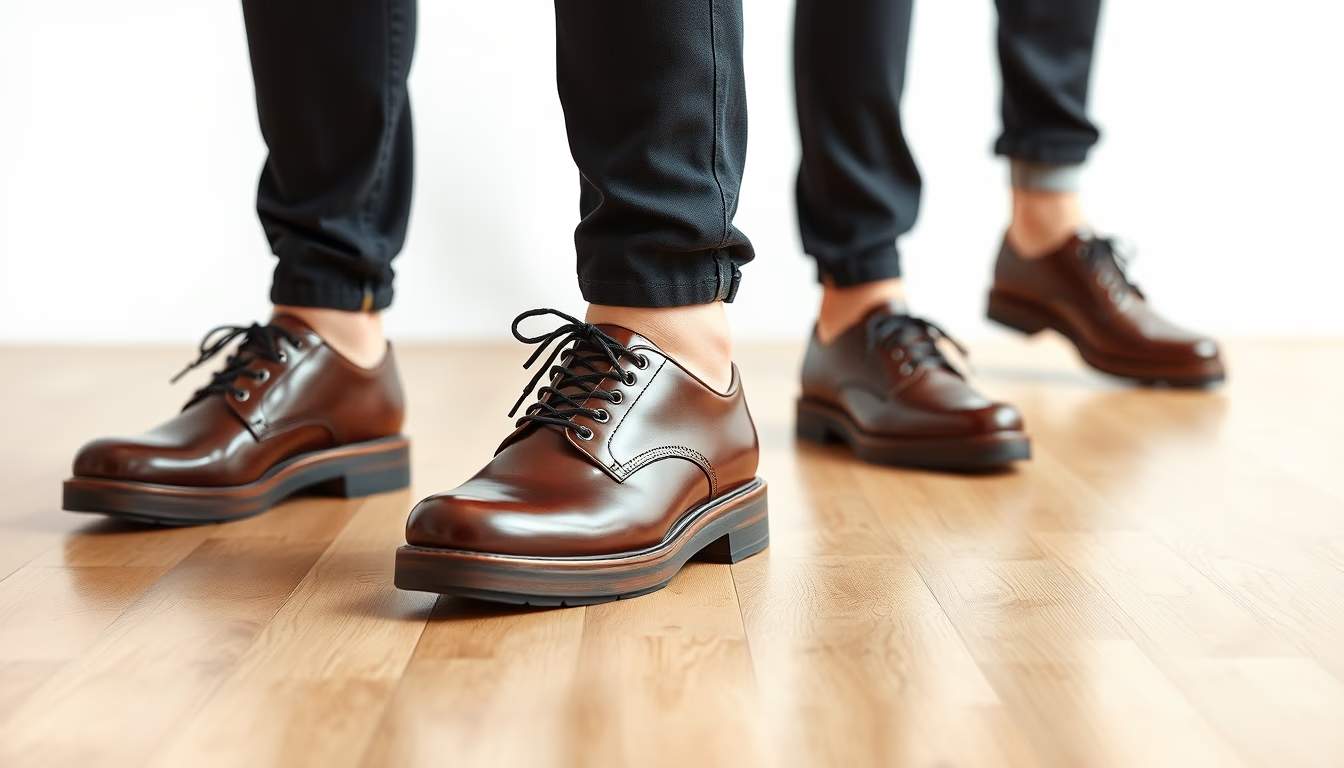
Tap shoes wooden floor
1344×768 · AVIF · CC BY 4.0
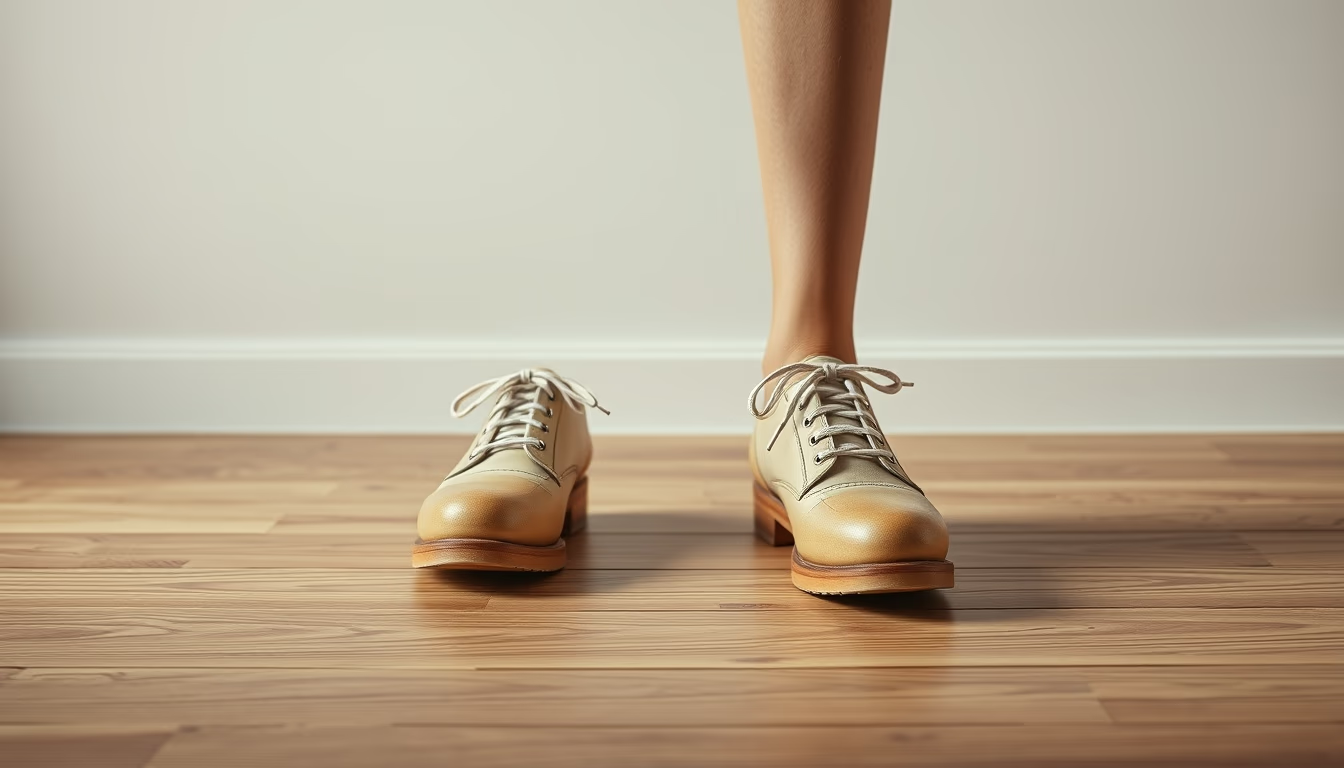
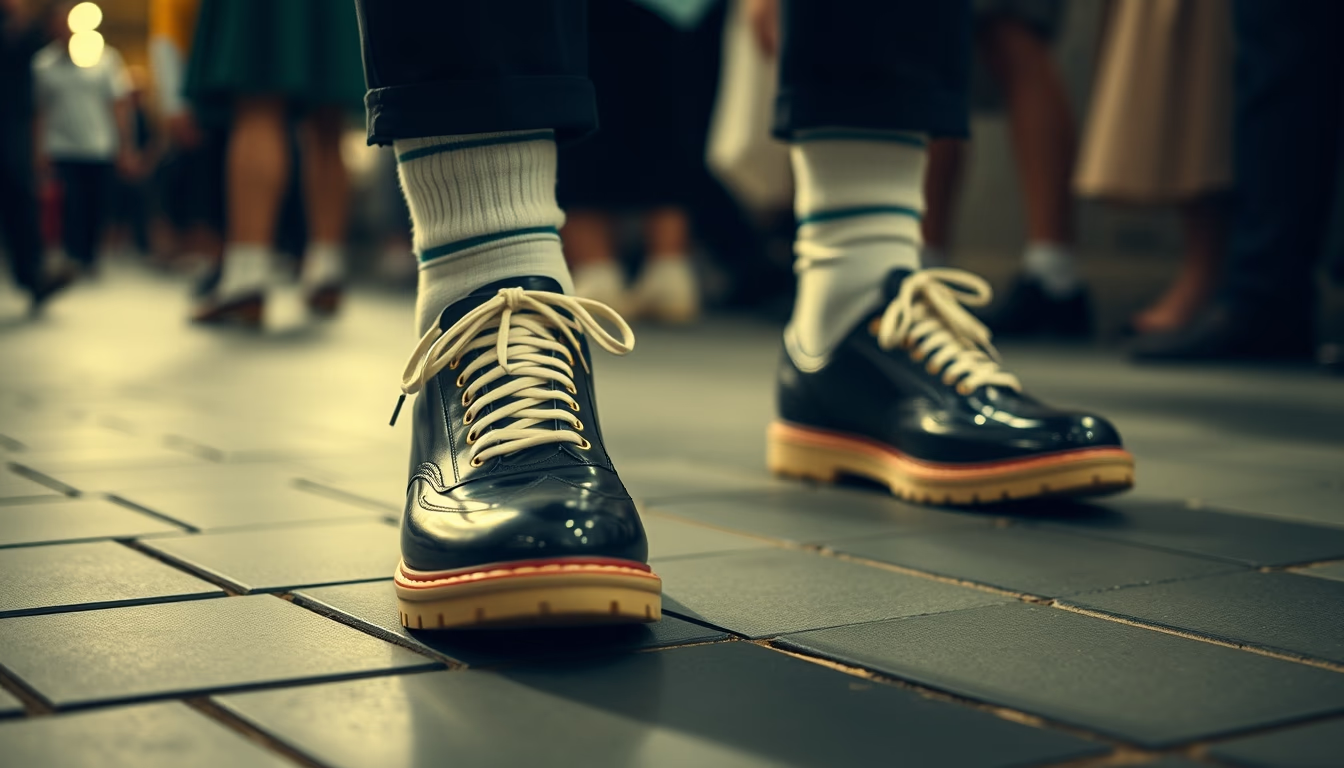
Tap shoes on a wooden floor: essential elements for the practice of tap dancing, a dance form that combines rhythm and percussion.
About this subject
Tap shoes, with metal plates called taps attached to the soles and heels, produce percussive sounds when striking hard surfaces like wooden floors. This footwear is essential for tap dancing, a dance form that originated in the United States during the 19th century, blending African and Irish dance traditions. The taps are typically made of aluminum or steel and are screwed or nailed onto the shoe, allowing dancers to create various rhythms and tones.
Wooden floors are the preferred surface for tap dancing because they provide the necessary resonance and sound projection. Professional dance studios often use hardwood such as oak or maple, which is treated to withstand repeated impacts and offers a smooth yet grippy surface. The wood also allows for controlled sliding, reducing the risk of injury during complex steps. Famous tap dancers like Fred Astaire and Savion Glover have popularized the art form worldwide.
Historically, early tap shoes were ordinary shoes with coins or metal pieces nailed to the soles. Today, tap shoes come with interchangeable taps, enabling dancers to customize the sound based on the floor type or musical genre. Tap dancing is sometimes confused with clogging, but clogging involves more upper body movement and different footwork. In Brazil, tap dancing gained popularity through movies and local groups, and it remains a vibrant dance style in many studios.
Frequently Asked Questions
Why is a wooden floor important for tap dancing?
A wooden floor provides optimal resonance and sound projection for the taps, as well as a surface that allows controlled sliding and absorbs impact, protecting the dancer's joints.
What is the difference between tap dancing and clogging?
Tap dancing focuses on foot percussion and rhythm with horizontal movements. Clogging, common in the US, involves more upper body movement and full-foot stomps, often performed in groups.
How did tap dancing originate?
It originated in the United States during the 19th century from the fusion of African dances (like the juba) and Irish step dancing, evolving in vaudeville and musical theater.
Direct URL
https://pub-c7d6a6ea828543ac903a74a341ccb2e1.r2.dev/imagens/tap-shoes-wooden-floor-studio-still-life-fresh4.avifHow to credit
Include a visible link back to UtilizAí. Copy one of the snippets below:
<a href="https://xn--utiliza-eza.com/en/midia/imagens/tap-shoes-wooden-floor-studio-still-life-fresh4">Tap shoes wooden floor</a> by <a href="https://xn--utiliza-eza.com">UtilizAí</a>, licensed under <a href="https://creativecommons.org/licenses/by/4.0/">CC BY 4.0</a>.
[Tap shoes wooden floor](https://xn--utiliza-eza.com/en/midia/imagens/tap-shoes-wooden-floor-studio-still-life-fresh4) by [UtilizAí](https://xn--utiliza-eza.com), CC BY 4.0
License: CC-BY-4.0