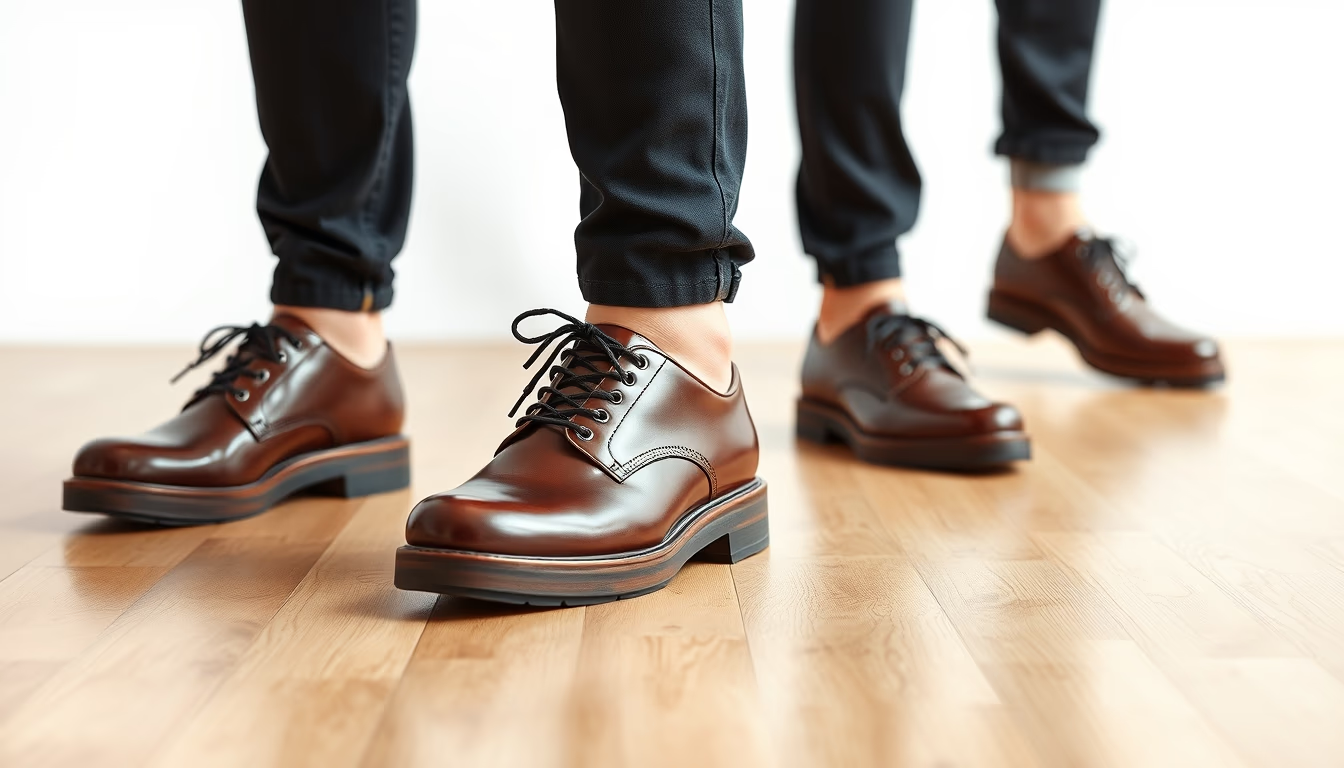
Tap shoes wooden floor
1344×768 · AVIF · CC BY 4.0
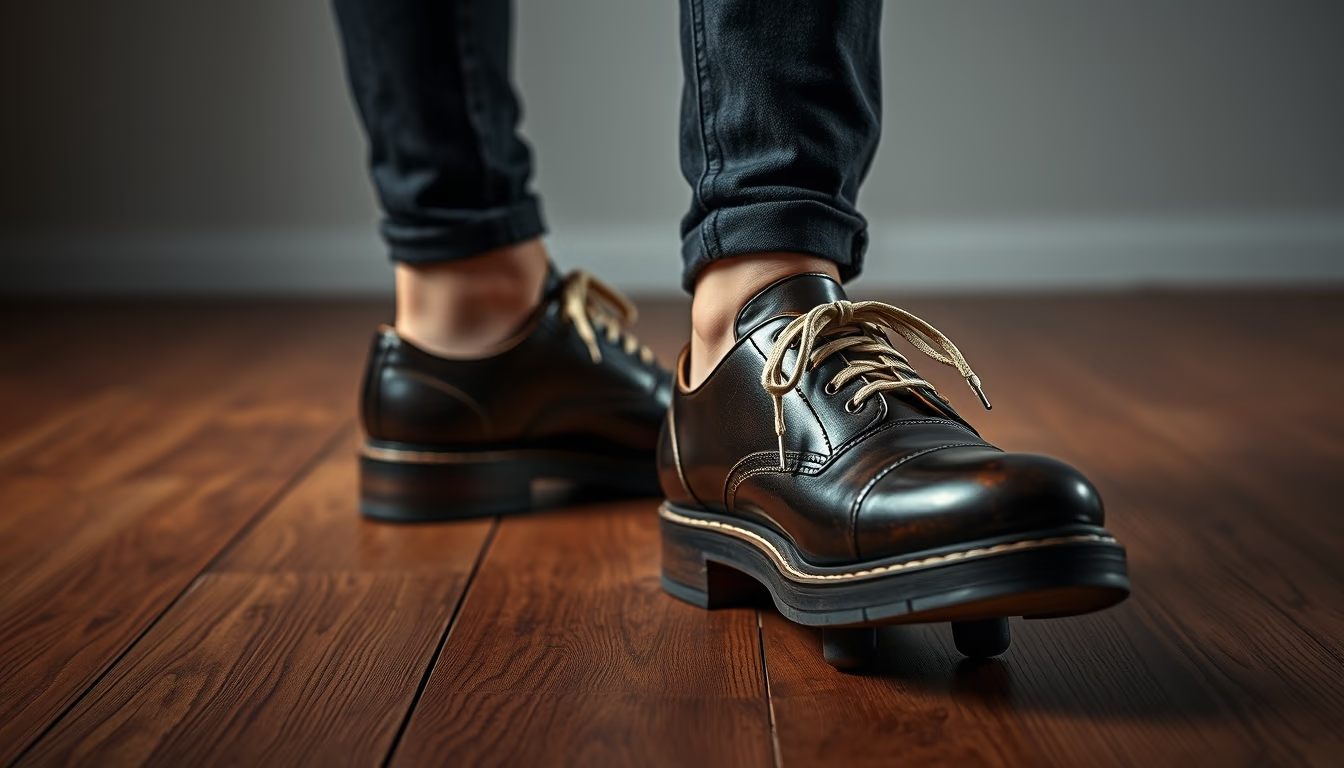
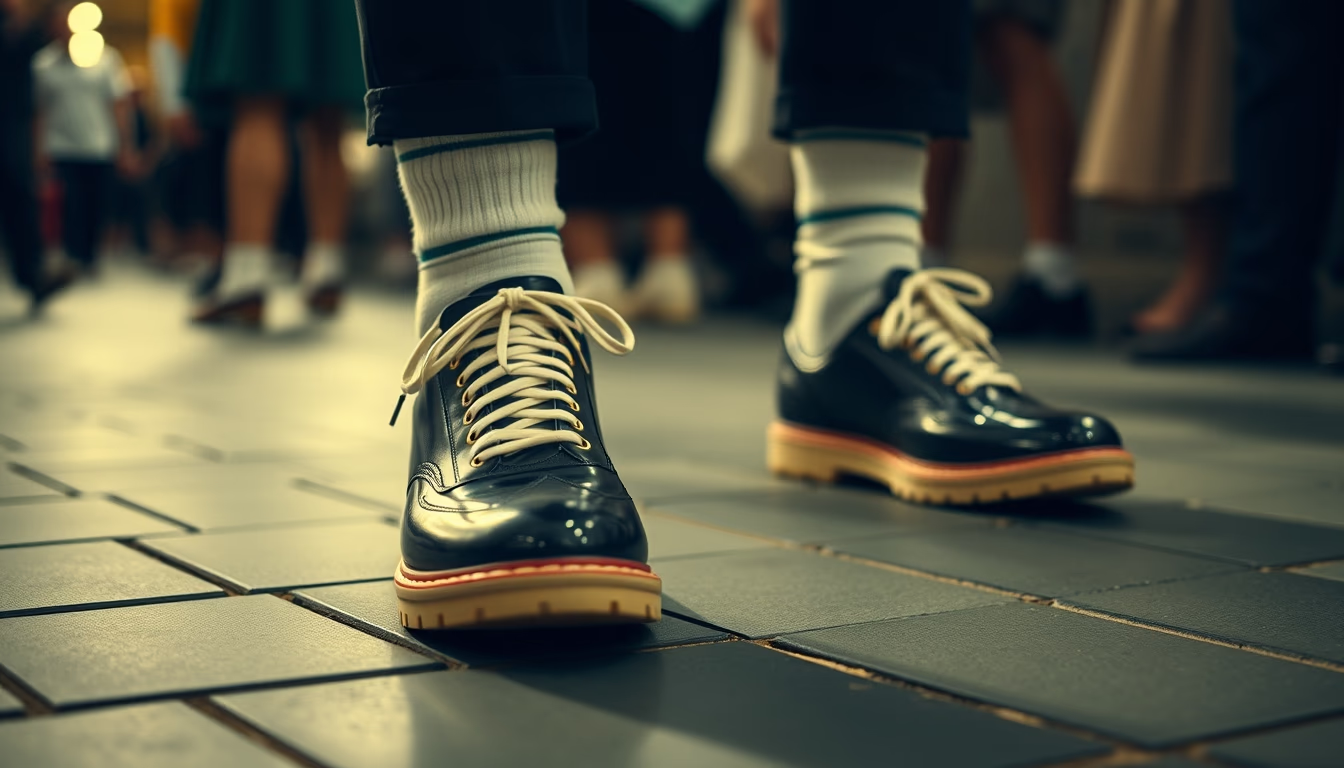
Tap shoes on a wooden floor: tradition, technique, and sound in a studio setting.
About this subject
Tap dance is a percussive dance form where the feet become musical instruments, and the wooden floor serves as its ideal resonator. Typically made from oak or maple, this type of flooring provides the necessary resonance for the metal soles of tap shoes to produce clear, articulate sounds. Unlike concrete or vinyl, wood amplifies the taps, allowing dancers to explore nuances of volume, pitch, and speed, which are essential for improvisation and technical virtuosity.
The relationship between tap and wooden floors dates back to the early 20th century, when African American and Irish immigrant dancers fused their traditions of percussive dance in the halls and theaters of the United States. The wooden stages of vaudeville houses and jazz clubs became rhythmic laboratories, where artists like Bill "Bojangles" Robinson and the Nicholas Brothers developed styles that demanded a responsive surface. Today, specialized tap studios install wooden floors with floating subfloors to maximize acoustics and reduce joint impact.
Beyond acoustics, the wood influences choreography: the floor's texture allows controlled slides (shuffles) and abrupt stops (stops), while the material's elasticity absorbs some shock, preventing injuries. Professional studios maintain their floors through sanding and applying specific sealants to prevent taps from leaving marks or losing grip. The sound of tap on wood has become so iconic that composers like Duke Ellington and George Gershwin created pieces that interact with the percussion of the feet.
Tap shoes are constructed with leather soles and a metal plate (tap) attached at the toe and heel. The design varies by style: jazz tappers prefer lighter taps for agility, while musical theatre dancers opt for heavier taps for volume. Regardless of the model, the wooden floor remains the ideal environment to explore the full sound and rhythmic expressiveness of this quintessentially American dance form, now practiced worldwide.
Frequently Asked Questions
Why is a wooden floor essential for tap dance?
Wood provides the ideal resonance for the metal soles of tap shoes to produce clear sounds. It amplifies beats, allows controlled slides, and absorbs some impact, preventing injuries.
What types of wood are most used for tap dance floors?
Oak and maple are the most common due to their durability and acoustic properties. Professional studios use floating subfloors to further enhance sound.
How did tap dance originate in the United States?
Tap dance originated in the early 20th century from the fusion of African American percussive dances like Juba with Irish step dance, in venues such as vaudeville and jazz clubs.
Direct URL
https://pub-c7d6a6ea828543ac903a74a341ccb2e1.r2.dev/imagens/tap-shoes-wooden-floor-studio-editorial-portrait-fresh12.avifHow to credit
Include a visible link back to UtilizAí. Copy one of the snippets below:
<a href="https://xn--utiliza-eza.com/en/midia/imagens/tap-shoes-wooden-floor-studio-editorial-portrait-fresh12">Tap shoes wooden floor</a> by <a href="https://xn--utiliza-eza.com">UtilizAí</a>, licensed under <a href="https://creativecommons.org/licenses/by/4.0/">CC BY 4.0</a>.
[Tap shoes wooden floor](https://xn--utiliza-eza.com/en/midia/imagens/tap-shoes-wooden-floor-studio-editorial-portrait-fresh12) by [UtilizAí](https://xn--utiliza-eza.com), CC BY 4.0
License: CC-BY-4.0