Tap shoes wooden floor
1344×768 · AVIF · CC BY 4.0
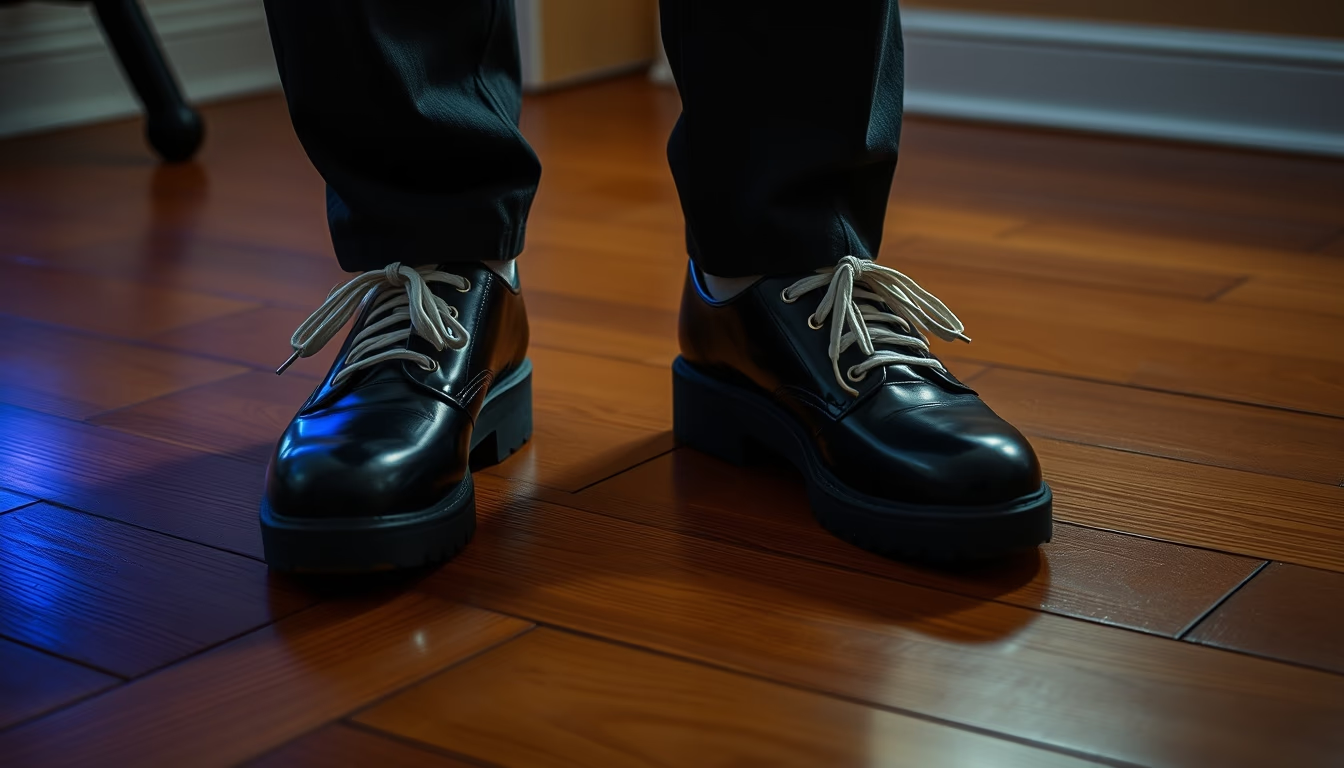
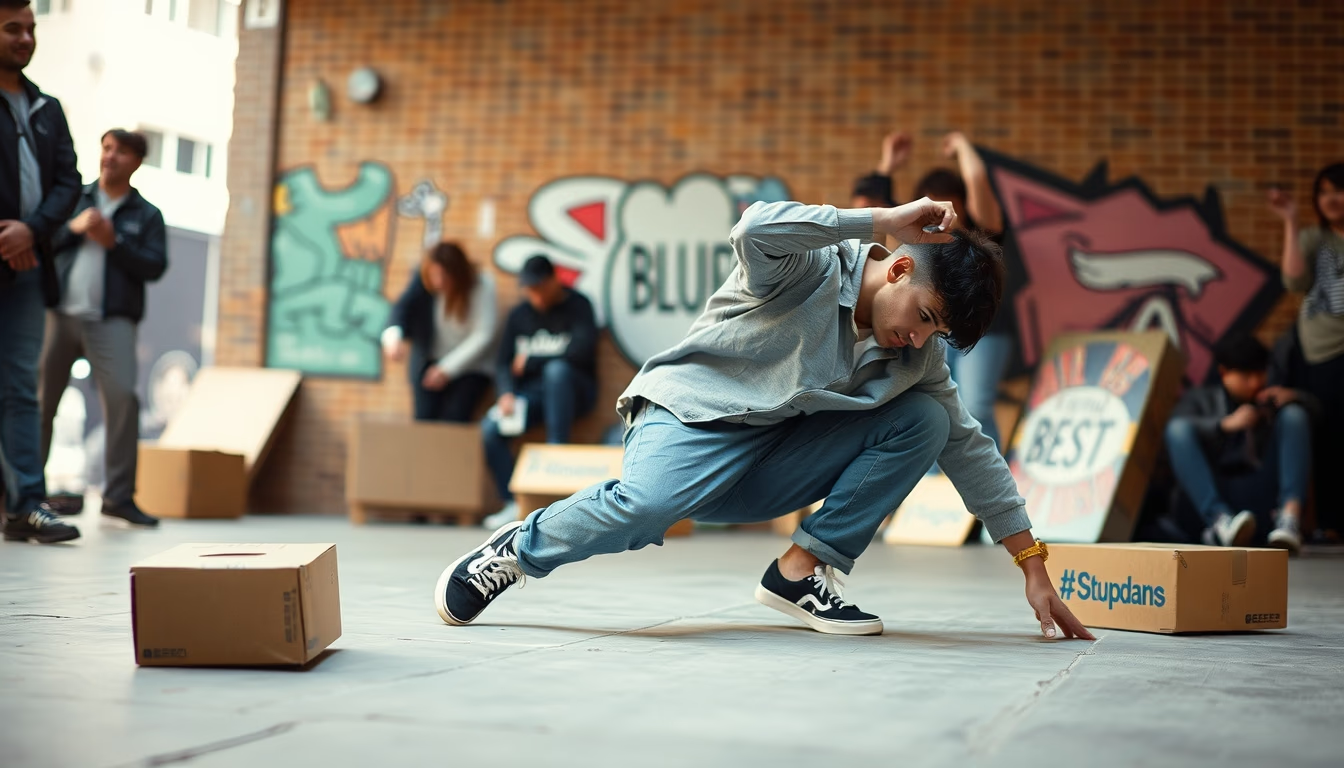
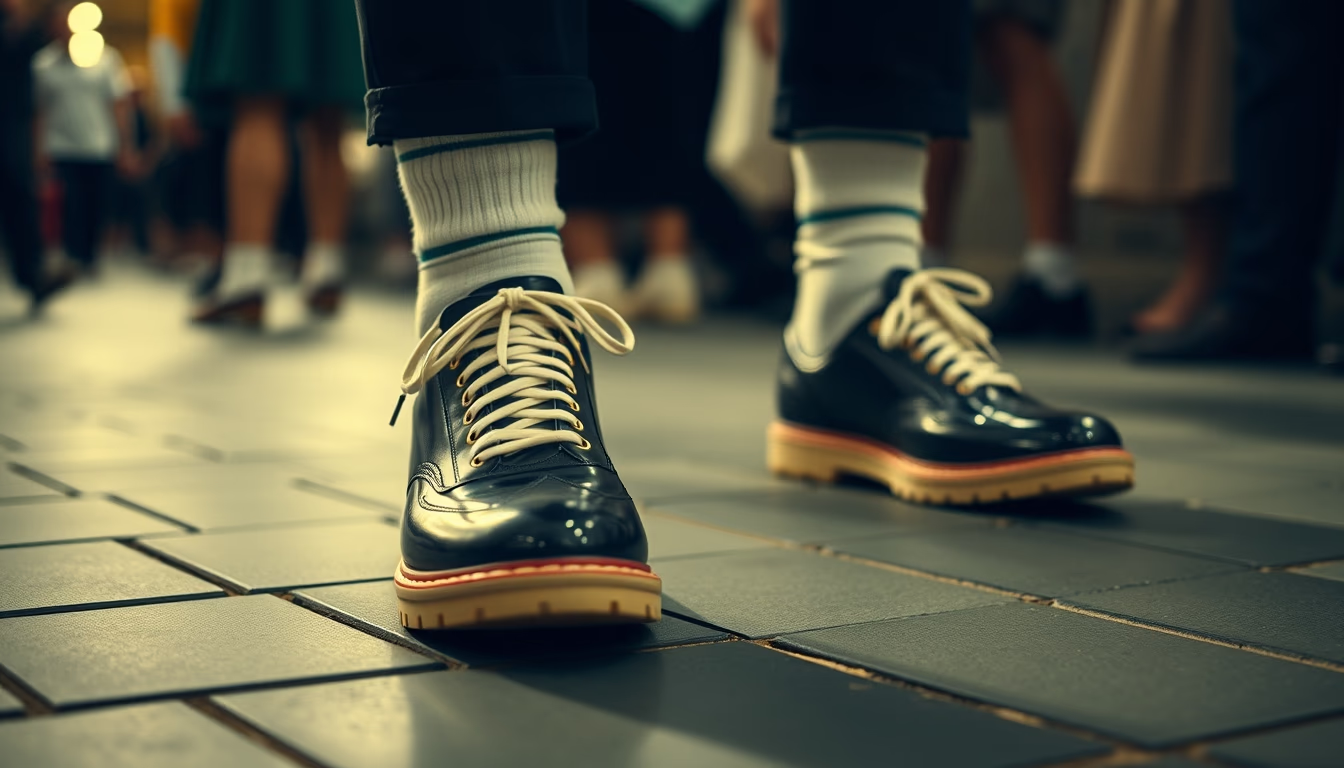
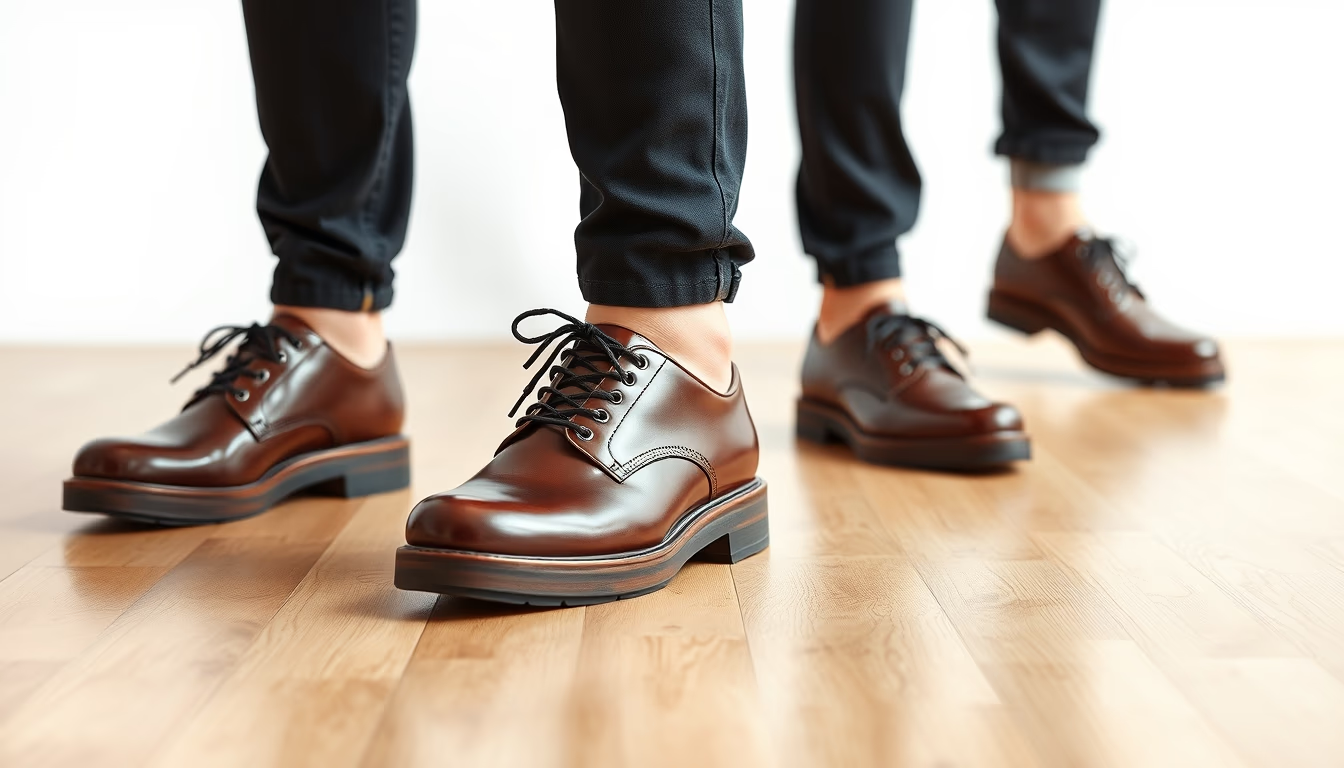
Tap dance is a percussive art form that turns wooden floors into musical instruments, blending technique, rhythm, and history.
About this subject
Tap dance is a percussive dance form where shoes with metal or wooden soles produce rhythmic sounds by striking the floor. Originating in 19th-century United States, it blends African and Irish traditions, evolving into a style characterized by syncopated movements and improvisation. Wooden floors are crucial for ideal acoustics, amplifying each beat and allowing dancers to create complex patterns with their feet.
In Brazil, tap dance gained prominence in the early 20th century, influenced by jazz and choro. Artists like the group "Sapateado Brasil" and choreographers such as Carlinhos de Jesus incorporated national elements like samba percussion and frevo rhythm. Shoes with metal taps became standard, but wooden-soled variants are also used in traditional styles.
Technique requires fine control of feet, ankles, and knees, along with musical coordination. Each step, from the simple "stomp" to the intricate "shuffle," produces distinct sounds. Icons like Fred Astaire, Ginger Rogers, and Gregory Hines elevated tap dance to artistic heights, showing that wooden floors are not just support but integral to performance. Festivals like International Tap Dance Day (May 25) celebrate the dance worldwide.
Interestingly, tap sound varies according to wood type (oak, pine) and floor construction. Professional studios use sprung floors for better resonance. The "lo-fi disposable camera" aesthetic tag evokes nostalgic visuals, contrasting with the precise technique of the dance.
Frequently Asked Questions
Why is the wooden floor important for tap dance?
Wooden floors amplify the sound of metal taps, providing resonance and rhythmic clarity. Sprung or solid hardwood floors are preferred in professional studios for better acoustics.
What are the different types of tap dance steps?
Steps include the 'stomp' (heavy beat), 'shuffle' (lateral drag), 'flap' (frontal beat), and 'ball change' (weight transfer). Each produces a distinct sound, combined into sequences called 'combinations'.
Is tap dance popular in Brazil?
Yes, especially in dance schools and festivals. Brazil has groups like 'Sapateado Brasil' and influences from samba and choro, creating a unique style blending body percussion with dance.
Direct URL
https://pub-c7d6a6ea828543ac903a74a341ccb2e1.r2.dev/imagens/tap-shoes-wooden-floor-lo-fi-disposable-camera-fresh3.avifHow to credit
Include a visible link back to UtilizAí. Copy one of the snippets below:
<a href="https://xn--utiliza-eza.com/en/midia/imagens/tap-shoes-wooden-floor-lo-fi-disposable-camera-fresh3">Tap shoes wooden floor</a> by <a href="https://xn--utiliza-eza.com">UtilizAí</a>, licensed under <a href="https://creativecommons.org/licenses/by/4.0/">CC BY 4.0</a>.
[Tap shoes wooden floor](https://xn--utiliza-eza.com/en/midia/imagens/tap-shoes-wooden-floor-lo-fi-disposable-camera-fresh3) by [UtilizAí](https://xn--utiliza-eza.com), CC BY 4.0
License: CC-BY-4.0