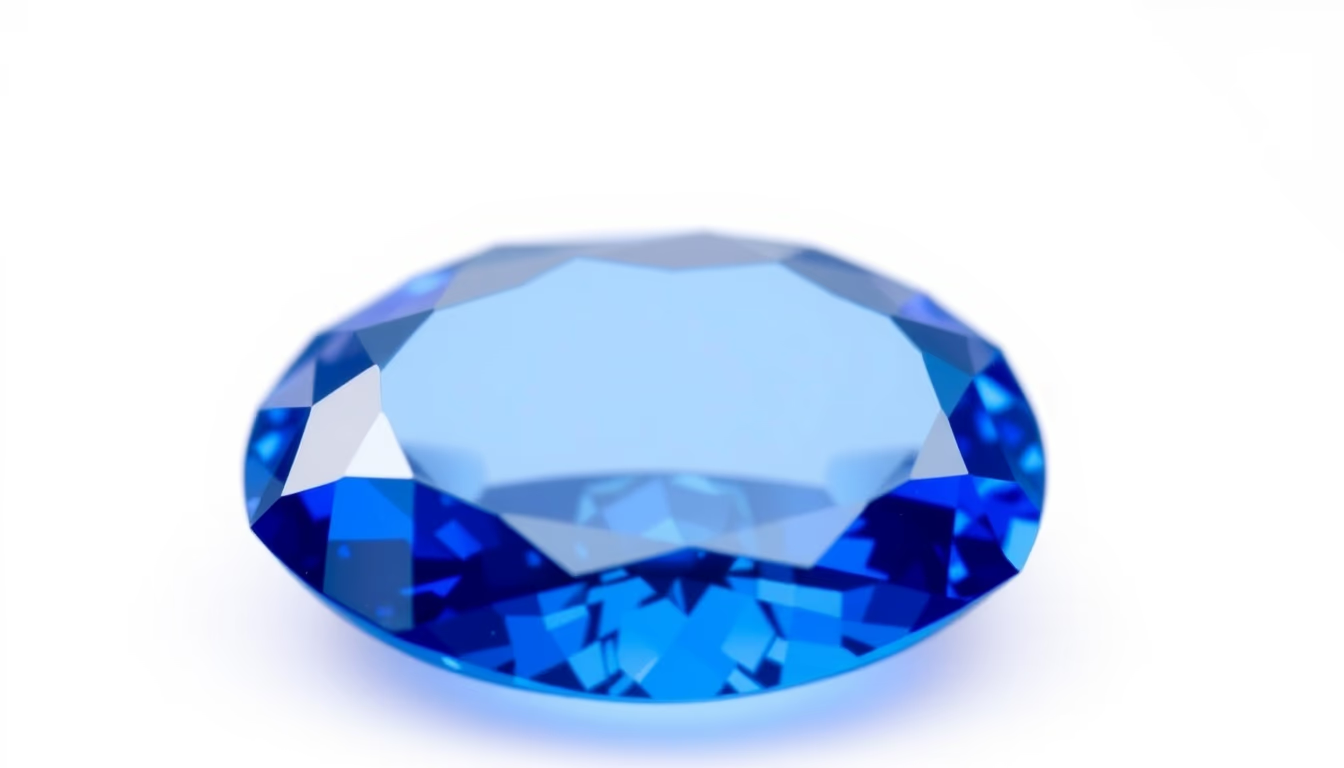
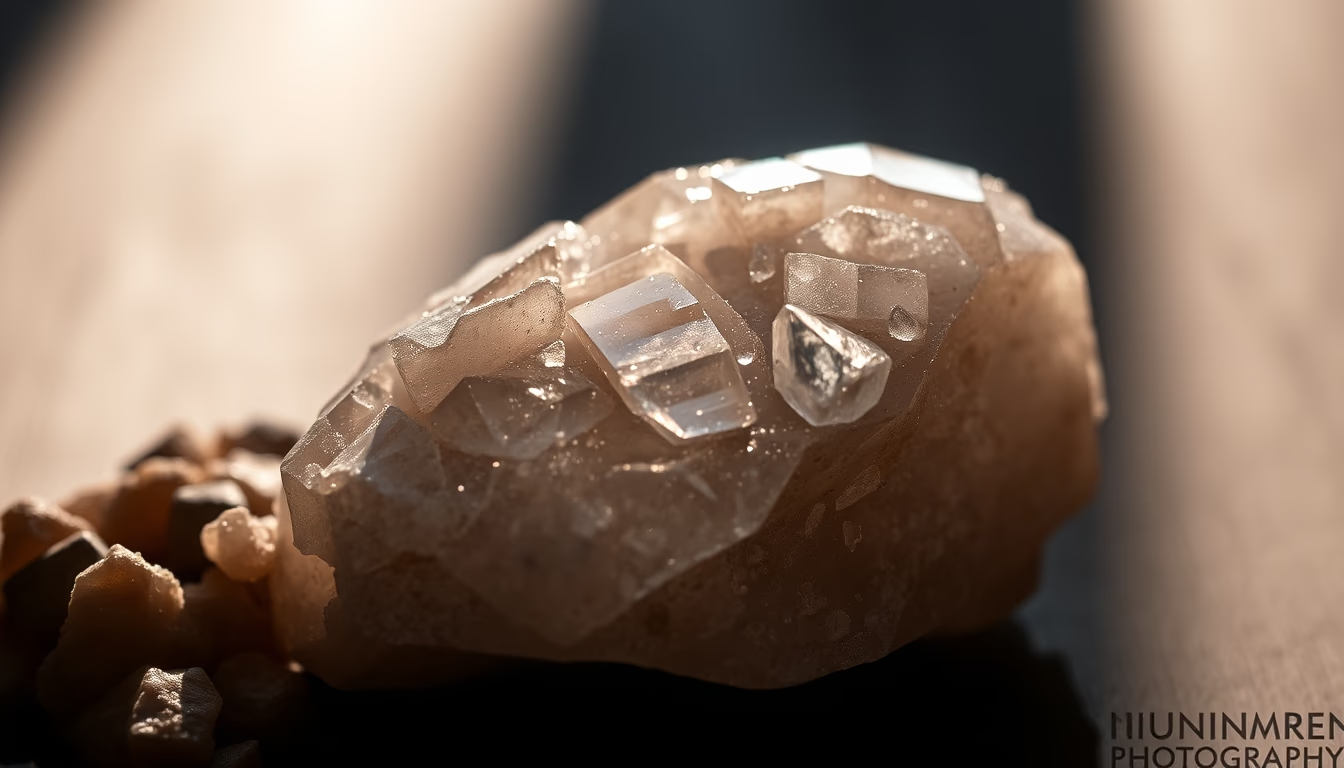
Tanzanite blue purple
1344×768 · AVIF · CC BY 4.0
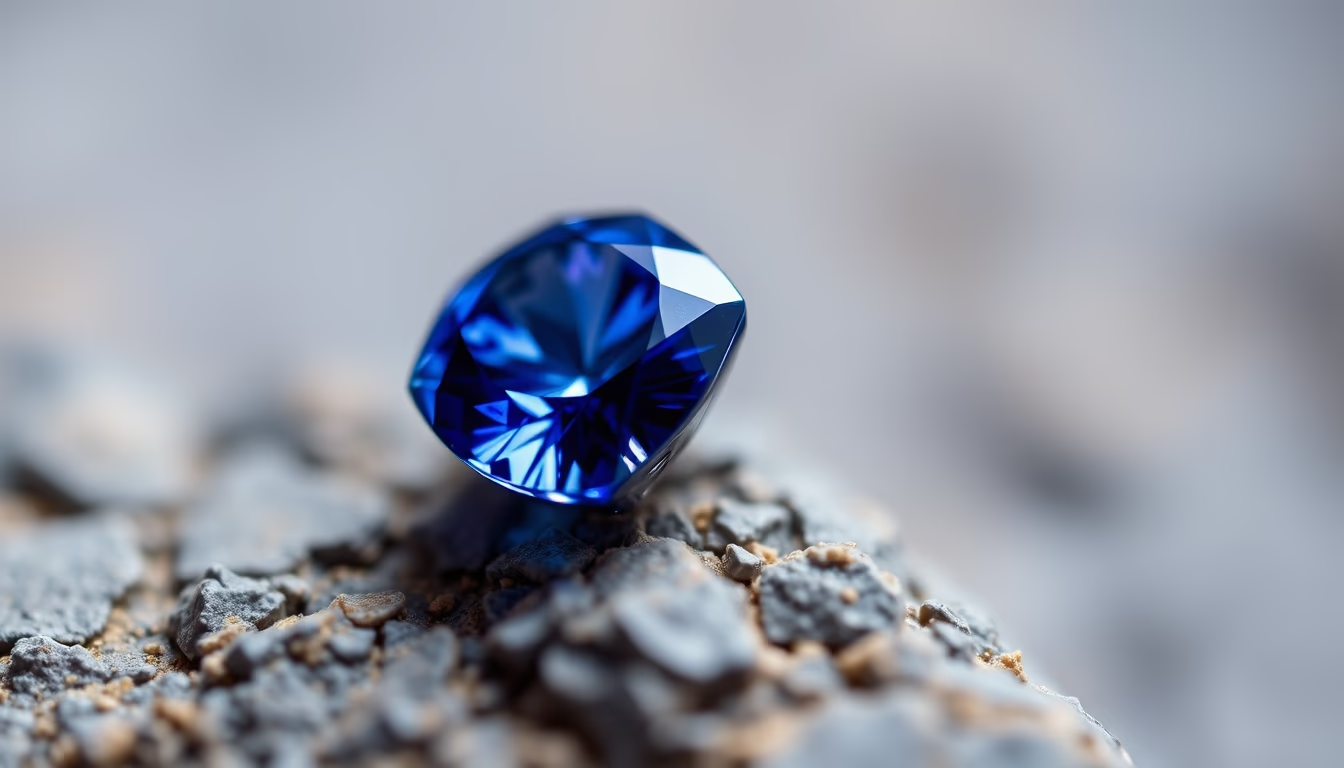
Tanzanite is a rare gemstone discovered in Tanzania, renowned for its intense blue-purple coloration and striking pleochroism.
About this subject
Tanzanite is a blue variety of the mineral zoisite, discovered in 1967 at the foot of Mount Kilimanjaro in Tanzania. It was introduced to the world by Tiffany & Company, which named it after the country of origin. To this day, the only known deposit lies in an area of about 20 km² near Arusha, making it extremely rare.
The gem exhibits striking pleochroism, displaying blue, violet, and reddish-orange colors depending on the viewing angle. The most valued blue-purple color is achieved through low-temperature heat treatment, which removes unwanted greenish hues. Its hardness ranges from 6.5 to 7 on the Mohs scale, making it relatively durable but requiring care to avoid scratches.
Considered one of the most important gems of the 20th century, tanzanite is often compared to blue sapphire but has a more purplish tone. Its rarity and growing demand have driven prices up significantly, especially after the Tanzanian government imposed export restrictions. The stone symbolizes tranquility and spirituality, and is widely used in fine jewelry and collections.
Interestingly, tanzanite is one of the few gems with a single source location, which adds to its allure. Gem cutters often facet it in cuts that maximize brightness and color depth. Due to its relative fragility, it is not recommended for everyday use in engagement rings, but it is excellent for earrings, necklaces, and pendants.
Frequently Asked Questions
Where is tanzanite found?
Tanzanite is found exclusively in a small area at the foot of Mount Kilimanjaro in Tanzania, near the city of Arusha. No other deposits are known worldwide.
How is the color of tanzanite enhanced?
Most tanzanite on the market undergoes low-temperature heat treatment (around 400-500°C) to remove greenish tones and intensify the blue-purple color. This process is stable and widely accepted.
Is tanzanite suitable for engagement rings?
It is not the best choice for everyday wear rings due to its moderate hardness (6.5-7) and perfect cleavage, making it prone to scratches and chipping. It is better suited for occasional jewelry like earrings and necklaces.
Direct URL
https://pub-c7d6a6ea828543ac903a74a341ccb2e1.r2.dev/imagens/tanzanite-blue-purple-tilt-shift-miniature-p7.avifHow to credit
Include a visible link back to UtilizAí. Copy one of the snippets below:
<a href="https://xn--utiliza-eza.com/en/midia/imagens/tanzanite-blue-purple-tilt-shift-miniature-p7">Tanzanite blue purple</a> by <a href="https://xn--utiliza-eza.com">UtilizAí</a>, licensed under <a href="https://creativecommons.org/licenses/by/4.0/">CC BY 4.0</a>.
[Tanzanite blue purple](https://xn--utiliza-eza.com/en/midia/imagens/tanzanite-blue-purple-tilt-shift-miniature-p7) by [UtilizAí](https://xn--utiliza-eza.com), CC BY 4.0
License: CC-BY-4.0