Tanzanite blue purple
1344×768 · AVIF · CC BY 4.0

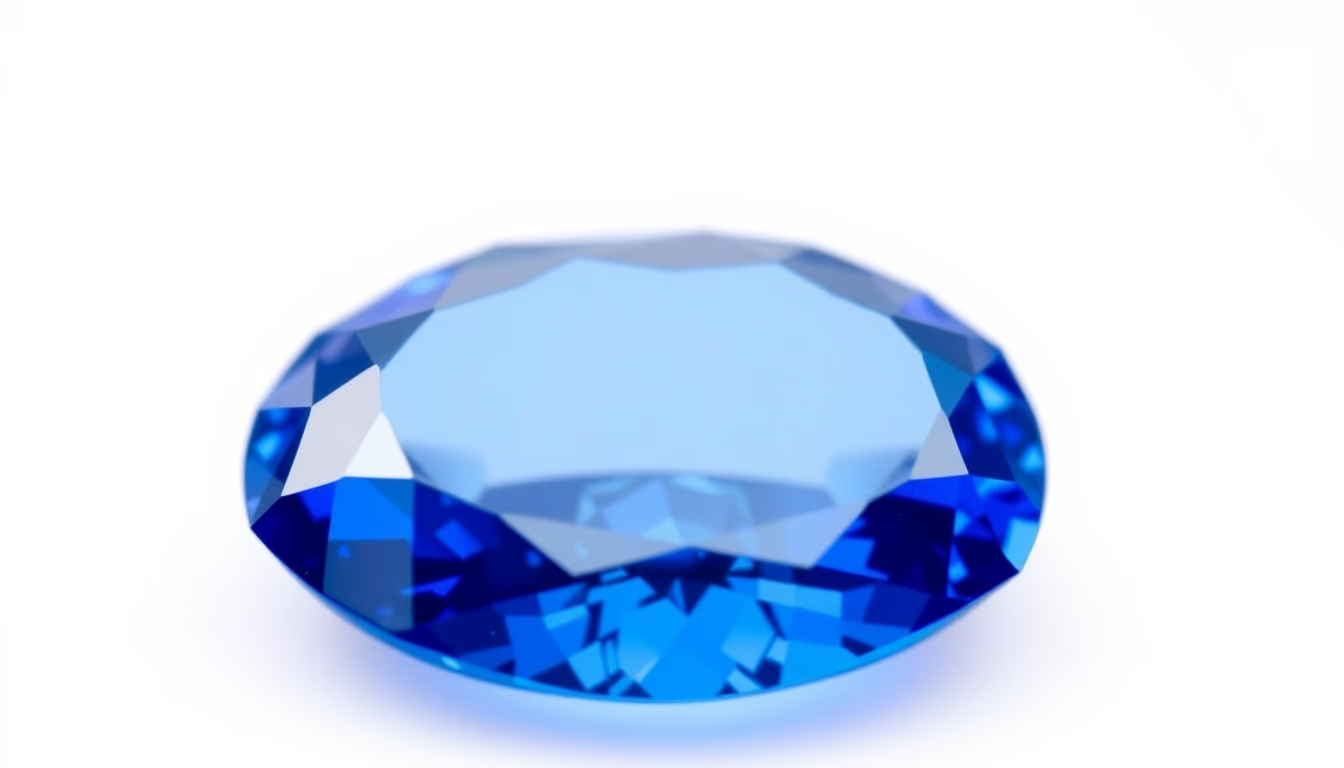
Tanzanite, a blue-violet variety of zoisite found exclusively in northern Tanzania, is one of the most coveted gemstones in the world.
About this subject
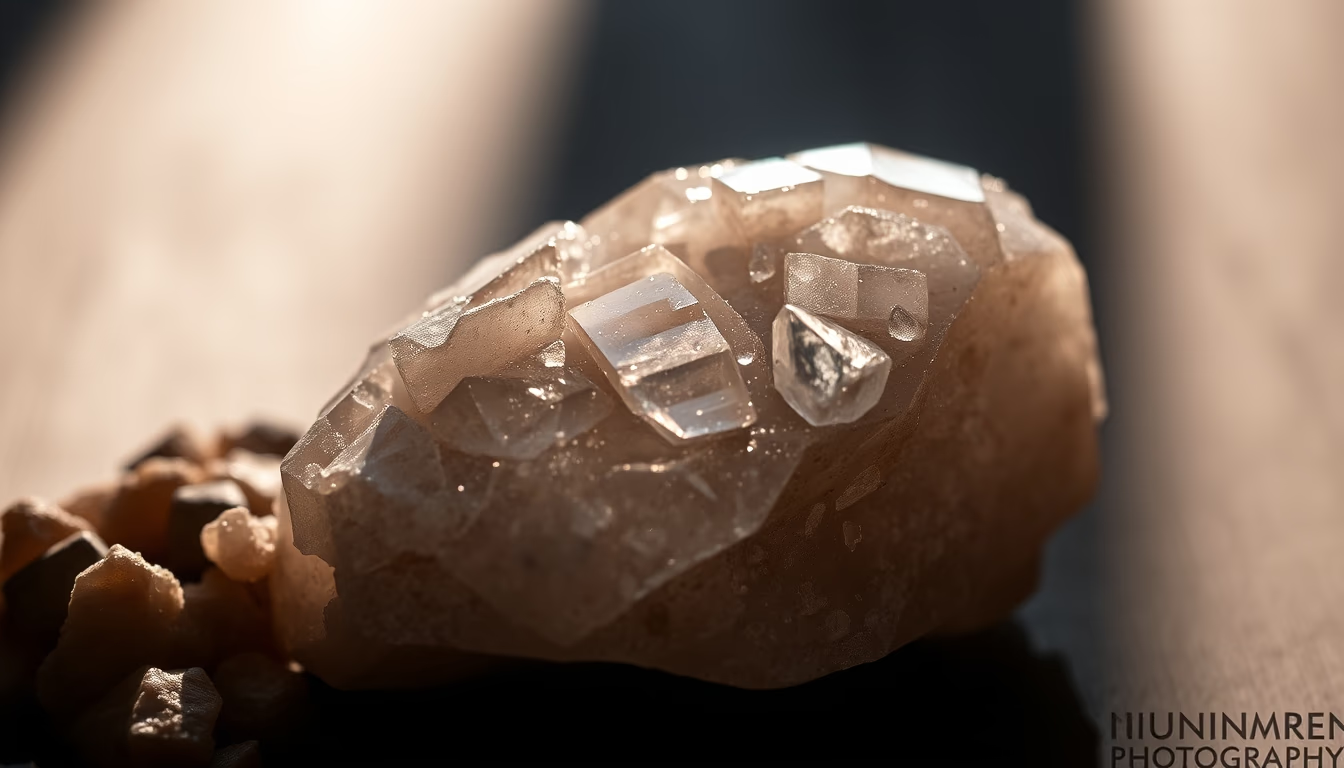
Tanzanite is a rare gemstone discovered in 1967 by a Masai herder in the Merelani Hills of northern Tanzania. Its characteristic color, ranging from deep blue to violet, is attributed to the presence of vanadium within the crystal structure of zoisite. With a hardness of 6.5 to 7 on the Mohs scale, tanzanite is considered a semiprecious stone, but its rarity, estimated to be a thousand times less than that of diamond, elevates it to the level of fine gemstones. The single known deposit in Merelani, covering only a few square kilometers, raises concerns about future depletion.
In the global market, tanzanite gained prominence after being promoted by Tiffany & Co. in the late 1960s. Since then, it has become a popular choice for engagement rings and fine jewelry, and is also recognized as an alternative birthstone for December. Most commercial tanzanite undergoes low-temperature heat treatment (around 500-600°C) to remove unwanted brownish or greenish tones, enhancing the intense blue-violet color that is most valued. This treatment is stable and widely accepted, as long as it is disclosed.
A fascinating feature of tanzanite is its pleochroism: it displays different colors when viewed from different angles, blue, violet, and reddish-brown. Proper cutting can emphasize the blue or violet color depending on crystal orientation. Quality criteria include color saturation, clarity (inclusions are common), cut, and carat weight. Specimens over 5 carats are exceptionally rare and command high prices in the gem market.
Frequently Asked Questions
Where is tanzanite found?
Tanzanite is found exclusively in the Merelani Hills of northern Tanzania, near Mount Kilimanjaro. There are no other known sources in the world.
Is tanzanite heat treated?
Yes, the vast majority of tanzanite on the market undergoes low-temperature heat treatment (500-600°C) to enhance the blue-violet color and remove brownish tones. This treatment is stable and accepted.
What is the hardness of tanzanite?
Tanzanite has a hardness of 6.5 to 7 on the Mohs scale, making it suitable for jewelry but requiring care to avoid scratches and impacts.
Direct URL
https://pub-c7d6a6ea828543ac903a74a341ccb2e1.r2.dev/imagens/tanzanite-blue-purple-lo-fi-disposable-camera-p2.avifHow to credit
Include a visible link back to UtilizAí. Copy one of the snippets below:
<a href="https://xn--utiliza-eza.com/en/midia/imagens/tanzanite-blue-purple-lo-fi-disposable-camera-p2">Tanzanite blue purple</a> by <a href="https://xn--utiliza-eza.com">UtilizAí</a>, licensed under <a href="https://creativecommons.org/licenses/by/4.0/">CC BY 4.0</a>.
[Tanzanite blue purple](https://xn--utiliza-eza.com/en/midia/imagens/tanzanite-blue-purple-lo-fi-disposable-camera-p2) by [UtilizAí](https://xn--utiliza-eza.com), CC BY 4.0
License: CC-BY-4.0