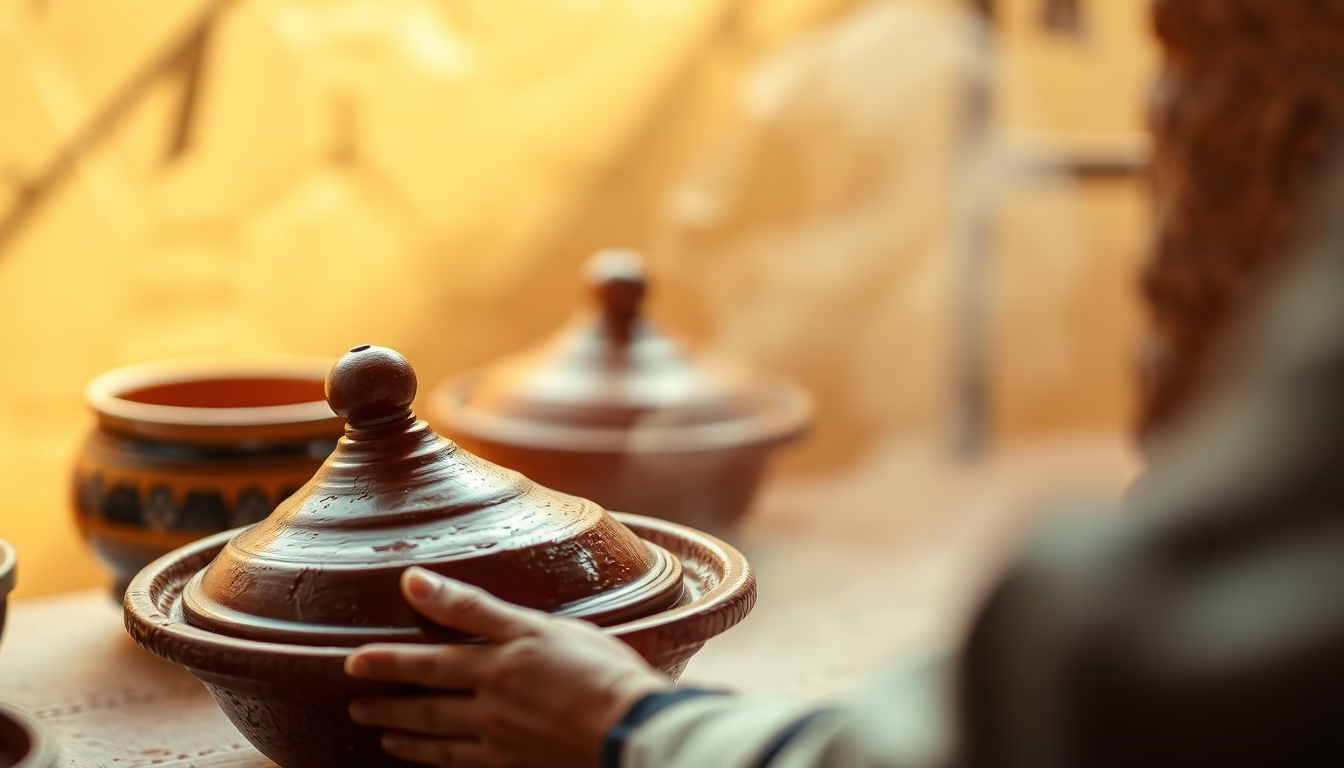
Tagine moroccan clay
1344×768 · AVIF · CC BY 4.0
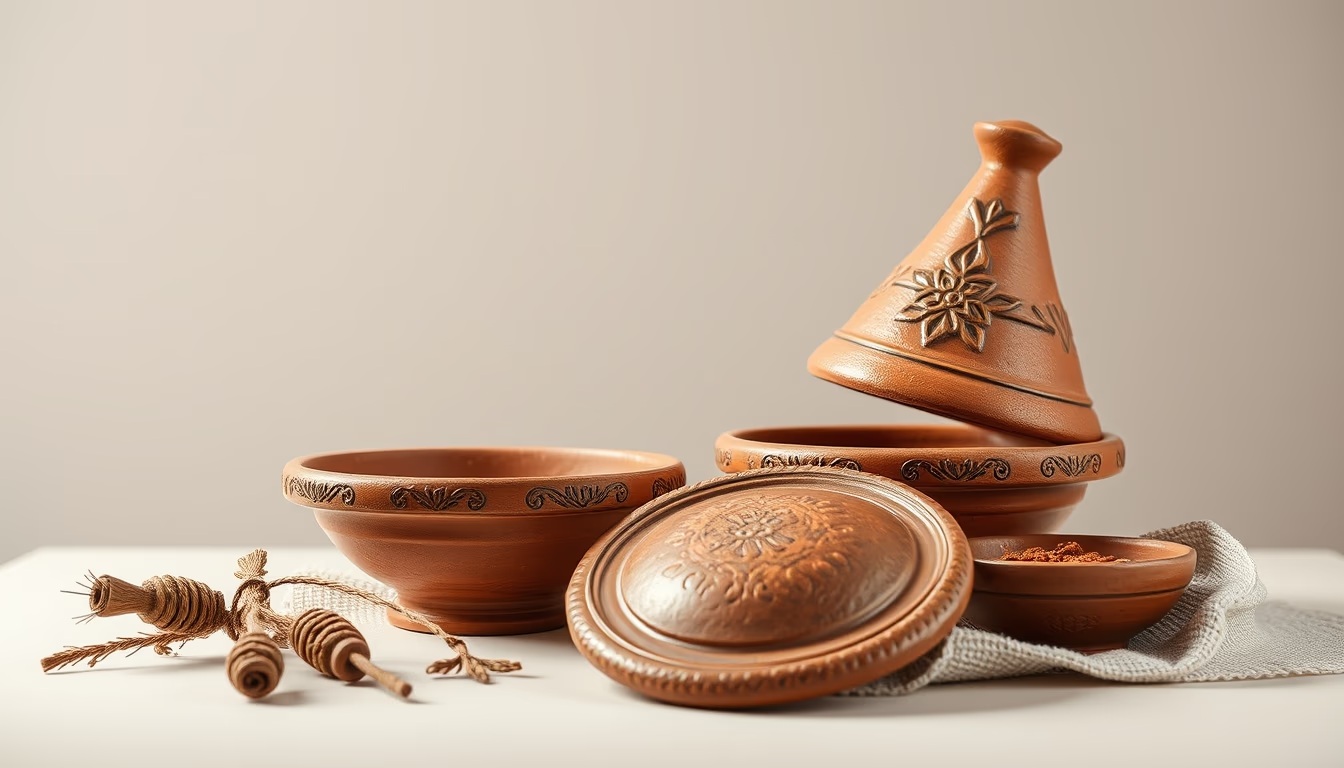
The Moroccan clay tagine is a traditional cooking vessel, recognized for its conical shape that promotes slow, moist cooking, essential for aromatic Maghreb dishes.
About this subject
A tagine (or tajine) is a staple of North African cuisine, particularly from Morocco, but also found in Algeria, Tunisia, and Libya. The name refers both to the clay pot with a conical lid and the slow-cooked stew prepared in it. The conical lid traps steam, which then condenses and drips back onto the food, keeping meats and vegetables tender and infusing flavors. Traditional tagines are made from either unglazed terracotta clay or glazed clay. Unglazed tagines require seasoning before first use: soak in water for several hours, then rub with oil and heat in a low oven to seal the pores. This prevents cracking and enhances food flavor. Glazed tagines are more durable and need no seasoning, but must be handled to avoid thermal shock.
Tagines are ideal for low-heat cooking, either on a stovetop (using a heat diffuser) or in an oven. Classic recipes include chicken with preserved lemon and olives, lamb with prunes and almonds, fish with chermoula, or vegetable and chickpea stew. Spices like saffron, cumin, cinnamon, ginger, and coriander are typical. Moroccan cuisine often blends sweet and savory flavors, as in lamb tagine with dried fruits. The dish is served directly in the tagine, accompanied by bread (khobz) to soak up the sauce.
Culturally, the tagine symbolizes hospitality and sharing. In Morocco, families gather around a tagine for meals, especially dinner. The mint tea ceremony (atay) often precedes the meal. The artisanal craft of making clay tagines has been passed down through generations of potters, particularly in cities like Fez and Safi. The tagine has also gained global popularity as a versatile slow-cooking vessel, appreciated by contemporary chefs for its ability to produce deeply flavorful dishes.
Frequently Asked Questions
How do you season a new unglazed clay tagine?
Soak the tagine in cold water for 24 hours. Then dry, rub the inside with olive oil, and place in a cold oven. Heat gradually to 150°C (300°F) for 2 hours, then let it cool inside the oven. This seals the pores and prevents cracking.
What is the difference between a clay tagine and a glazed ceramic tagine?
A clay (terracotta) tagine is porous, absorbs flavors, and needs seasoning. A glazed tagine has a glassy coating, making it non-porous, easier to clean, and no seasoning required. Both should be used on low heat to avoid thermal shock.
Can you use a tagine on a gas stove?
Yes, but always use a heat diffuser to distribute the flame evenly and prevent cracking. On electric or induction stoves, direct contact can damage the pot; in those cases, use the oven instead.
Direct URL
https://pub-c7d6a6ea828543ac903a74a341ccb2e1.r2.dev/imagens/tagine-moroccan-clay-studio-still-life-fresh11.avifHow to credit
Include a visible link back to UtilizAí. Copy one of the snippets below:
<a href="https://xn--utiliza-eza.com/en/midia/imagens/tagine-moroccan-clay-studio-still-life-fresh11">Tagine moroccan clay</a> by <a href="https://xn--utiliza-eza.com">UtilizAí</a>, licensed under <a href="https://creativecommons.org/licenses/by/4.0/">CC BY 4.0</a>.
[Tagine moroccan clay](https://xn--utiliza-eza.com/en/midia/imagens/tagine-moroccan-clay-studio-still-life-fresh11) by [UtilizAí](https://xn--utiliza-eza.com), CC BY 4.0
License: CC-BY-4.0