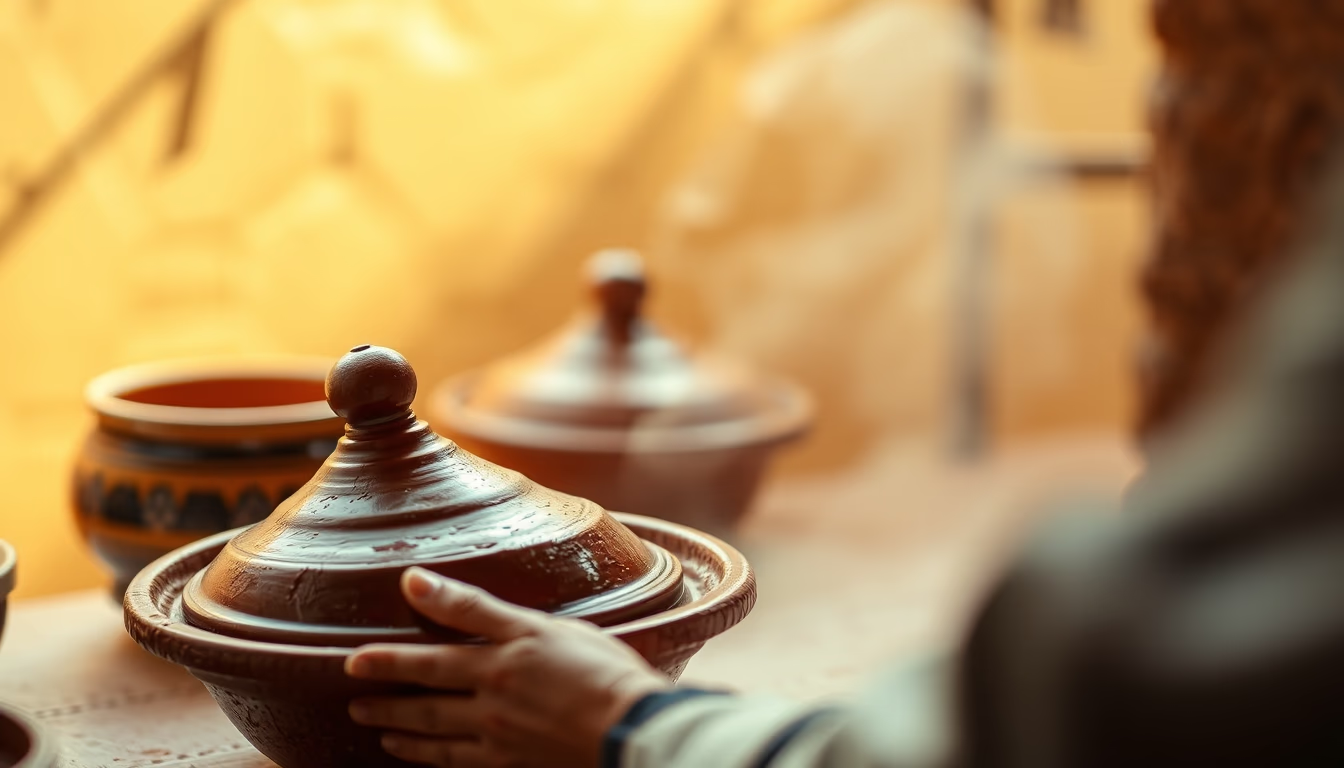
Tagine moroccan clay
1344×768 · AVIF · CC BY 4.0
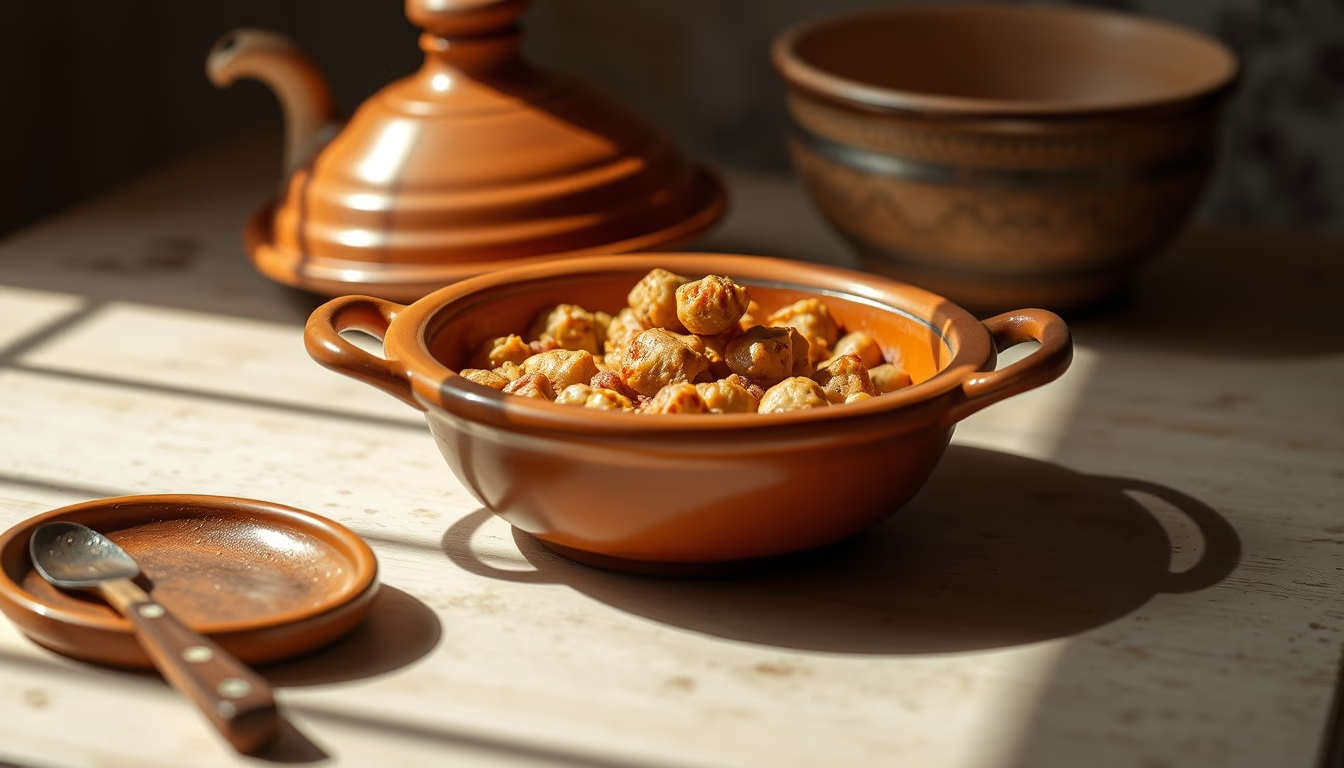
The tagine is a typical clay utensil of Berber and Moroccan cuisine, used for centuries to slowly cook meats, vegetables and spices.
About this subject
The tagine is a clay cooking vessel with a conical lid, originating from the Maghreb, particularly Morocco. Its shape allows steam to circulate and condense, returning moisture to the dish, keeping ingredients tender and flavorful. Traditionally handcrafted by artisans in cities like Fez and Meknès, the clay can be glazed or unglazed, affecting taste: unglazed tagines impart a slight earthiness, while glazed ones are neutral.
The slow-cooking technique is ancient, and tagines are used for both savory and sweet dishes. Typical ingredients include lamb, chicken, prunes, apricots, almonds, and a blend of spices such as cumin, coriander, turmeric, and cinnamon. The dish simmers over low heat for hours, resulting in soft meats and rich broths. Beyond its culinary purpose, the tagine is a symbol of Moroccan hospitality, served during festive and family occasions.
Outside Morocco, the tagine has gained popularity as an exotic and healthy cookware. It can be used on conventional stoves, in ovens, or directly over coals. However, it requires care: the clay must be cured before first use and cannot withstand abrupt temperature changes. Global diffusion increased in the 20th century, especially due to interest in Mediterranean diets and ethnic flavors. Today, the tagine is recognized as intangible culinary heritage by UNESCO in some regional contexts.
Frequently Asked Questions
What is the difference between an unglazed and glazed tagine?
Unglazed (raw clay) tagines absorb moisture and can impart a slight earthy flavor; they require curing before first use. Glazed tagines have a glassy surface, do not alter taste, and are easier to clean, but retain less heat.
How do I prepare a new tagine before using?
Soak the tagine in water for 24 hours, dry, brush inside with olive oil, and bake at low temperature for 2 hours. This seals pores and prevents cracking.
Can a tagine be used on an electric stove?
Yes, but use a heat diffuser to avoid thermal shock. Keep the heat low and avoid high flames.
Direct URL
https://pub-c7d6a6ea828543ac903a74a341ccb2e1.r2.dev/imagens/tagine-moroccan-clay-magazine-editorial-fresh4.avifHow to credit
Include a visible link back to UtilizAí. Copy one of the snippets below:
<a href="https://xn--utiliza-eza.com/en/midia/imagens/tagine-moroccan-clay-magazine-editorial-fresh4">Tagine moroccan clay</a> by <a href="https://xn--utiliza-eza.com">UtilizAí</a>, licensed under <a href="https://creativecommons.org/licenses/by/4.0/">CC BY 4.0</a>.
[Tagine moroccan clay](https://xn--utiliza-eza.com/en/midia/imagens/tagine-moroccan-clay-magazine-editorial-fresh4) by [UtilizAí](https://xn--utiliza-eza.com), CC BY 4.0
License: CC-BY-4.0